Lucasta Miller

An artist in her own right: the genius of Elizabeth Siddal

From our UK edition

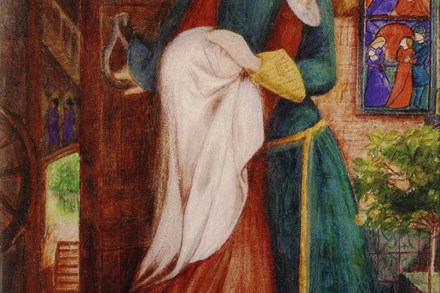
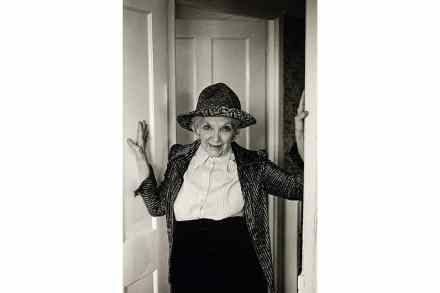
Elizabeth Eleanor Rossetti, as this new book calls her in a break with convention, is better known by her maiden name: Elizabeth Siddal or Siddall (the spelling is uncertain, as is much else about her). The Pre-Raphaelite icon was familiar to the public as the model for John Everett Millais’s ‘Ophelia’ sinking to her watery

The troublesome idealism of Simone Weil

From our UK edition

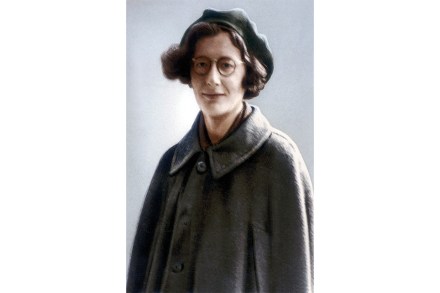
The French philosopher Simone Weil, who died of self-starvation and tuberculosis in a Kent sanitorium in 1943 at the age of 34, remains a conundrum. ‘Mais elle est folle!’ had been the spluttering response of Charles de Gaulle the previous year, during her short wartime period analysing reports for the Free French in London. Her

Natasha Feroze, Robert Ades, Lucasta Miller, Sam McPhail, Toby Young and Catriona Olding

From our UK edition

38 min listen

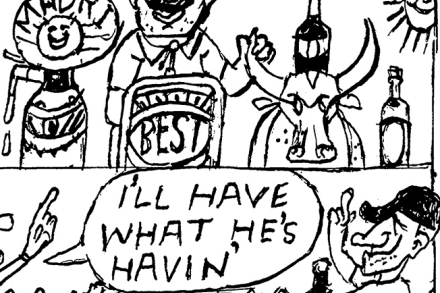
On this week’s Spectator Out Loud: Natasha Feroze reports on the return of ex-Labour MP Keith Vaz (1:10); Robert Ades presents the case against sociology A-level (7:39); Lucasta Miller reviews Katherine Bucknell’s book, Christopher Isherwood Inside Out (15:24); Sam McPhail provides his notes on the lager Madri (23:16); Toby Young explains why he will be voting

A long goodbye to Berlin

From our UK edition

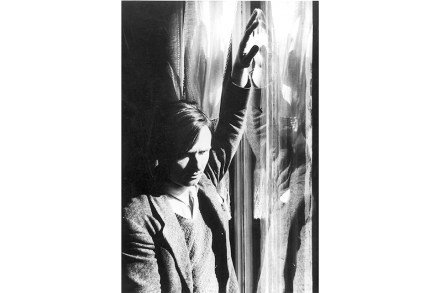
Christopher Isherwood pioneered what is now known as ‘autofiction’ long before it acquired that label. His best known work, Goodbye to Berlin (1939), which later inspired the musical Cabaret, was based on the diaries he kept while living in the Weimar Republic in his twenties. He’d already used the material before in Mr Norris Changes

W.G. Sebald’s borrowed truths and barefaced lies

From our UK edition

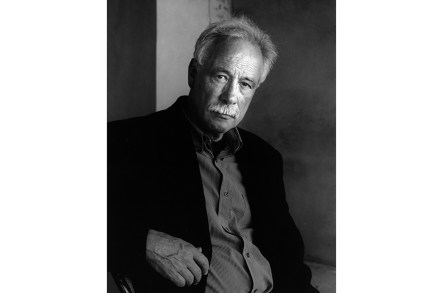
W.G. Sebald is the modern master of the uncanny — or perhaps that should be ‘was’, as he died in a car crash near Norwich in 2001 at the age of 57. Deciding which tense to use depends on whether you mean ‘W.G. Sebald’ as a shorthand for his body of work, which outlives him,

Lives unlived: Light Perpetual, by Francis Spufford, reviewed

From our UK edition

Francis Spufford was already admired as a non-fiction writer when he published his prize-winning first novel, On Golden Hill, in 2016. Set in 18th-century America, it was a tour de force of historical imagining, its prose skilfully suffused with the writerly tics of that era yet not overly so, leaving it pedantry-free and compulsively readable.

Where are Yeats, Eliot and Plath in a new survey of 20th-century poetry?

From our UK edition

Shelley famously and optimistically proclaimed that poets were the unacknowledged legislators of the world. Adorno famously and pessimistically declared that poetry was impossible after Auschwitz. In The Music of Time, his new study of poetry in the 20th century, John Burnside makes a rather more modest claim: that to write a poem at all is

Rushdie at his best – Quichotte reviewed

From our UK edition

It’s hard to get your head around Salman Rushdie’s latest novel Quichotte, which has been shortlisted for the Booker. It’s a literary embarras de richesse, whose centre can’t really hold, yet it’s written with the brilliant bravura of a writer who can really, really write. More to the point, it’s also funny and touching and