Louise Perry

Louise Perry

Louise Perry is the author of The Case Against the Sexual Revolution and host of the podcast Maiden Mother Matriarch.

The rise of the ‘Denis dad’

From our UK edition

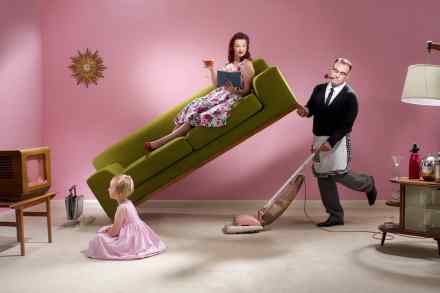
Pity the ad man of 2022. Jokes about men and women and the differences between them are so very tempting, but can easily get a brand into trouble. Until not so long ago, the safest way to poke fun at family dynamics was through the figure of the incompetent dad. A 2012 American ad for Huggies nappies challenged five dads to ‘the toughest test imaginable’: looking after their babies solo. It must have seemed like a good idea at the time, given that the useless dad appears in almost every sitcom of the past half century. But Huggies was forced to pull the campaign after complaints from insulted fathers and, ten years on, my guess is that no other brand would attempt anything similar.

Water woes: who’s to blame for the shortages?

From our UK edition

39 min listen

In this week’s episode:Who’s to blame for the water shortages?James Forsyth, The Spectator’s political editor and Ciaran Nelson from Anglian Water join us to discuss the UK’s deteriorating water supply. (0.29)Also this week: Is it time for some old-fashioned Tory state-building?Tim Stanley from the Telegraph shares his vision for a Conservative future. He’s joined by Annabel Denham, Director of Communications at the Institute of Economic Affairs. (11.19) And finally: What’s behind France’s new sexual politics?Jonathan Miller writes about a new civil war in France between the nudes and prudes. He’s joined by Louise Perry, columnist and author of The Case Against the Sexual Revolution. (23.08)Hosted by Lara Prendergast.

The feminist case for marriage

From our UK edition

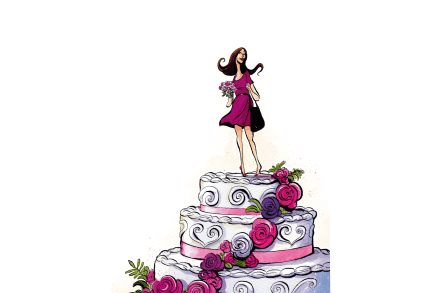
I regret to inform you that your kitten heels and morning suits will probably not be seeing service this wedding season: once again, marriage rates are down. In fact, this year the rate for heterosexual marriages is the lowest on record. What’s more, fewer than one in five of these marriage ceremonies are religious, in keeping with a downward trend of several decades standing. As a wedding guest, I slightly regret this turn towards the civil ceremony, only because the secular liturgy is so oddly anaemic.

The strange world of the radically left-wing Soas university

From our UK edition

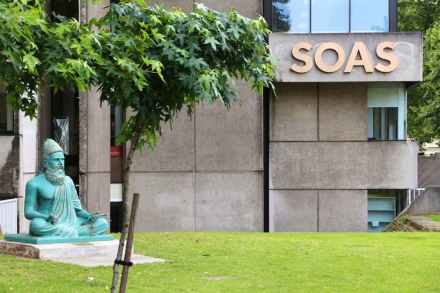
My alma mater, The School of Oriental and African Studies (Soas), enjoys a reputation disproportionate to its size. With fewer than 7,000 students, it is dwarfed by other the colleges of the University of London. Nevertheless, I find that any mention of where I studied tends to raise eyebrows: 'oh I’ve heard a lot of stories about Soas' a bank advisor told me recently. I replied that the stories were probably true. When it comes to Soas, they usually are. The university has come a long way since its founding in 1916. Its original function was as a finishing school for colonial officers, described by Lord Curzon as part of the 'furniture of empire'.

Moving to the country for a better life was a huge mistake

From our UK edition

As newlyweds in our late twenties, my husband and I decided to move from a crime-ridden (if trendy) London postcode to a picture-postcard village within commuting distance of the capital. We bought a rather run-down cottage which we imagined would be the perfect canvas for our aspirations: island benches, plantation shutters and lashings of Farrow & Ball. We’d get the house done and have some babies. There would be country dog walks, veg patches and village fêtes. What bliss. Before we moved in, we chatted to a friendly elderly man in the village. ‘Oh there’s been lots of change in the village lately,’ he told us. Like what? ‘People moving in, people moving out…’ How funny, we thought, that a few new residents counts as radical change.