The price of Egypt’s economic recovery: police brutality, torture and a strangled press
From our UK edition
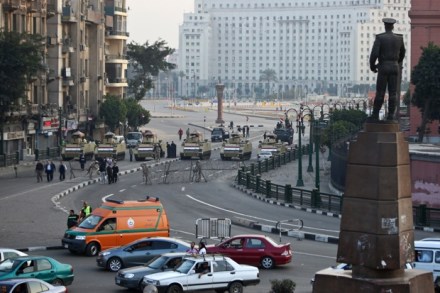
Cairo’s Tahrir Square is turfed and tarmacked. Traffic police bustle about, watched at a distance by the soldiers in their tanks. There are few signs that this used to be more than just an intersection. But four years ago this week, it was at the heart of a revolution. After 18 days of mass protests, Egypt’s longtime dictator Hosni Mubarak resigned and the square exploded. The uprising was meant to signal a new era of freedoms and dignity for the country’s 90-million strong population. But instead, the revolution has soured. Egypt’s first democratically elected president, Mohamed Morsi, managed only one divisive year in office before being overthrown by another strongman, Abdel Fattah al Sisi in July 2013.