Lindsay Johns

Colson Whitehead celebrates old Harlem in a hardboiled thriller that’s also a morality tale

From our UK edition

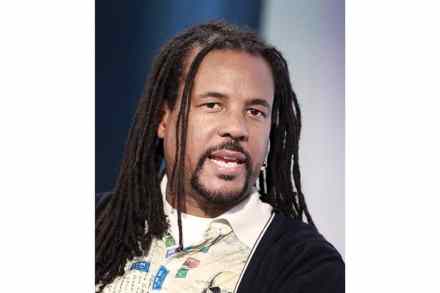
For modern America, Harlem is a once maligned, now much vaunted literary totem, which continues to occupy a gargantuan place both in the psychogeography of New York and the soul of the nation. Langston Hughes, Claude McKay, Zora Neale Hurston, Nella Larsen, James Baldwin and Chester Himes are just a few of the writers whose names are associated with the 50-odd blocks heading uptown from 110th Street at the northern end of Manhattan. Their echoes, traces and spirits can all be discerned in Colson Whitehead’s outstanding new novel Harlem Shuffle — a genre-defying blast from a bygone era, set between 1959 and 1964, yet one which urgently speaks to the present.

Escape from the hood

From our UK edition

The author of the bestseller Between the World and Me and recipient of a MacArthur ‘Genius Grant’ last year, Ta-Nehisi Coates is a much-lauded African-American journalist on the Atlantic, best know for his trenchant 2014 essay making the case for reparations for black Americans. A bona fide heir to the mantle of ‘hip-hop intellectual’ (last claimed with any credibility by Michael Eric Dyson), Coates is a rara avis, able to move with ease between Rakim, Q-Tip, W.E.B. Du Bois and Booker T. Washington. The Beautiful Struggle, written in 2008 but only now published in the UK, is a memoir of the writer’s perilous journey from boyhood to manhood in inner-city Baltimore in the late 1980s and early 1990s — when it was ravaged by crack cocaine and gang warfare.

Why James Elroy Flecker deserves our attention

From our UK edition

This month sees the Swiss alpine resort of Davos play host to the annual World Economic Forum summit, but it also marks the centenary of the death of one of England’s greatest Edwardian poets. The worship of Mammon and the ascent of Parnassus are traditionally not easy bedfellows, but the two are linked by the Swiss town. It was here that this now little known poet succumbed to tuberculosis at the age of thirty. James Elroy Flecker (1884-1915) deserves far greater acclaim and public recognition for his poetic accomplishments. A prodigious linguist, fluent in French, German, Italian, Spanish and modern Greek, he read Classics at Oxford and took a further degree in Modern Languages at Cambridge, all with a view to entering the diplomatic service.

By all means protest against Exhibit B, but do not withdraw it

From our UK edition

Having met with an equal mix of critical acclaim and revulsion at the Edinburgh Festival, Brett Bailey’s Exhibit B - based on the 'human zoos' and ethnographic displays of the late 19th century - opens today at the Barbican. I have not seen it yet, but as someone with coloured South African heritage - well aware of the European brutality during the 'Scramble for Africa' - I have little desire to. To some, Exhibit B will be racist and needlessly provocative. To others, it will be thought-provoking and poignant. The show ostensibly uses stark, racist imagery to make an anti-racist statement. Is Exhibit B offensive? The 19,000-odd people who have signed the e-petition to have it withdrawn certainly think so.

In praise of Den-zel

From our UK edition

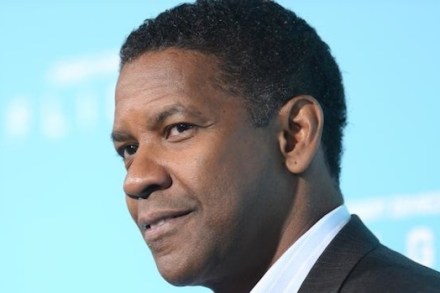
His Christian name is only two syllables, with the stress (following the African-American pronunciation) on the second. Two syllables that are a byword for urbane cool. A mellifluous shibboleth - the quintessence of all that is decent and upstanding. You see, I've grown up on Denzel’s films. From boyhood to manhood, from teenage recalcitrance to adult responsibility, he has accompanied me on my life’s journey like a Virgil to my wayfaring Dante. As father figure, older brother, man of probity and moral rectitude, Don Juan and all round Mister Nice Guy, he has been my consummate companion. Many men of a certain age will have derived much of their moral compass from Denzel’s protagonists.

The song that fought apartheid

From our UK edition

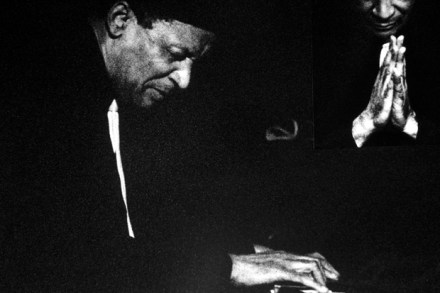
This month marks the 40th anniversary of the release of Mannenberg, the seminal album by the Cape Townian jazz pianist Abdullah Ibrahim (formerly known as Dollar Brand). Recorded against a backdrop of forced removals as the apartheid government evicted Coloured families from District Six, the title track was inspired by and named after the township of Manenberg, where many of those who had been displaced were resettled. An instant hit, the song swiftly became identified with the valiant struggle against apartheid. Notable for the haunting tenor saxophone solo by Basil Coetzee, and with Robbie Jansen on alto sax and Monty Weber on drums, the 13-minute title track is threnodic, passionate and ethereally beautiful.

Trading Places at 30 – one of the funniest films of all time

From our UK edition

Next month marks the 30th anniversary of the release of what is, in my opinion, one of the funniest films of all time: Trading Places. Starring comedic demigods Eddie Murphy and Dan Ackroyd, together with Jamie Lee Curtis and Denholm Elliot, this 1983 critical and commercial success is an amusing and trenchant satire on race, class, money and the whole American dream.