Laura Whitcombe

How to beat villa holiday scams

From our UK edition

There’s been a surge in fake villa rental websites setting up since January, with fraudsters targeting properties listed on the popular Villa Plus and Airbnb websites, according to this week's Sunday Times. The scam sites use stolen images of real villas listed on legitimate rental websites and list them under bogus names to entice holidaymakers to part with their cash by bank transfer – often thousands of pounds. Villa Plus told the newspaper that at least 10,000 of its images had been stolen by scammers and pointed to paradisevillaholidays.com as one alleged fraudulent website.

How to keep your dog safe from thieves

From our UK edition

Five dogs are stolen every day in the UK and only one gets reunited with its owner, according to police data analysed by insurer Direct Line. In 2016, there were 1,774 reported dog thefts, with just 21 per cent recovered. The number of thefts was up 19 per cent compared to 1,491 just two years earlier. However, these figures are likely just the tip of the iceberg – further research conducted by Direct Line found that 1.5 million people have had a dog stolen from them within the past five years. Of those bereft owners, nearly a quarter (23 per cent) said their pet was stolen from their garden, 11 per cent from their home and another 11 per cent while out on a walk. The Staffordshire Bull Terrier was the most stolen breed last year, according to police records.

Credit cards: don’t be fooled by long balance transfer deals

From our UK edition

If you’re looking for a balance transfer credit card deal, don’t be fooled into thinking you’ll save the most money by plumping for the card that comes with the longest interest-free period. Such cards usually charge a fee for switching your debt and can render the deal far less cost effective. The longest interest-free balance transfer period available at the time of writing is 42 months[1], as offered by both the MBNA Platinum 42 Month Balance Transfer Credit Card Visa and nuba Transfer Credit Card MasterCard. But these cards come with transfer fees of 2.79 and 3.29 per cent respectively. On a balance of £4,000, that would cost the cardholder £111.60 or £131.60 respectively just for switching.

Five simple ways to beat soaring car insurance premiums

From our UK edition

The average annual car insurance bill is expected to hit a record high of £800 this month, according to comparison website comparethemarket. The cost has increased by around £200 over the past two years thanks to factors including the soaring cost to the industry of dealing with whiplash claims. And from today, the government is forcing insurers to make bigger payouts for serious personal injury compensation to ensure they’re not eroded by inflation – a measure that is expected to add £15 on to all insurance policies. Yet despite the rapidly rising cost of car insurance, drivers are turning their backs on the easiest way to make significant savings by sticking with the same provider each year. This inaction results in them collectively wasting £2.

How to finance home improvements with a mortgage

From our UK edition

A property should have two bathrooms for every three bedrooms to maximise its value and desirability. That’s according to 70 per cent of real estate experts from across the UK who were quizzed by Direct Line Home Insurance. On average, they estimated an extra bathroom could add just under 7 per cent to the £174,340 average value of a three-bed property – a boost of almost £12,000. Of course, the figures change significantly depending on where in the country the home is located. For example, the extra bathroom could add £26,485 to the value in London but just £5,967 in Liverpool.

Four ways to protect your finances on holiday

From our UK edition

British families are forecast to spend £1,284.54 per person on this year’s summer holiday. That’s up more than £200 on what they forked out last year, says charitable shopping website Give as you Live. And with inflation gathering momentum and the pound still weak, many of us will feel we’re not getting a lot of bang for our buck when we finally get to our destinations. So it would be sensible to consider the simple steps you can take now to protect any money you’ve already spent on your trip – as well as what you’ll spend when you get there – to ensure you don’t end up paying out a penny more than absolutely necessary.

Budgeting will save you money and might even make you happier

From our UK edition

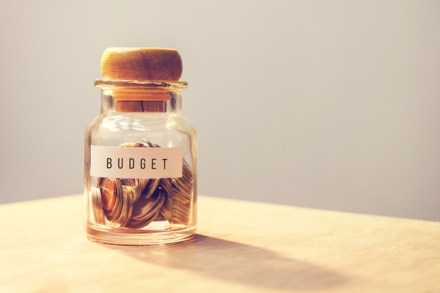
How much money do you have in your current account right now? What date do you pay your electricity bill? What was your most recent purchase? Can you remember exactly how much you spent? What do you spend more on each month – food or drink? Not many people can answer these questions correctly without first dissecting their latest bank statement. In fact, almost a fifth of us (17 per cent) admit to having no idea or only a rough idea about the state of our finances, according to research from insurance company SunLife. And younger people put the older generations to shame, with those aged 18 to 24 some 71 per cent more likely to budget. But worse still, nearly three-quarters of UK adults admit spending on impulse rather than budgeting, according to TopCashback.

How to check, amend and repair your credit record

From our UK edition

When was the last time you checked your credit history? This vitally important information can seriously affect many aspects of your financial life, from your ability to get a smartphone contract to obtaining a mortgage. Every time you apply to borrow money, the lender will run a search on you to try and determine how likely it is that you'll be able to repay them. This information is held by credit reporting companies including Experian, Equifax and CallCredit in the form of a credit report. The report is a summary of credit accounts you’ve had during the past six years and can include details of any credit cards, loans, mortgages, overdrafts, phone contracts and utilities such as gas, electricity and water.

Failing to bank online could cost you dear

From our UK edition

People who don’t bank online are more likely to face financial trouble than their more internet-savvy peers. That's according to research by the University of Bristol for investment website Momentum UK which found that those who bank by phone are five times more likely than internet bankers to miss bill payments and nine times more likely to know how much money they have in their account. While just 3 per cent of people who use a computer to bank had been unable to pay a bill at the final reminder in the last year, for those using the telephone as their main way of  banking this figure rose to 15 per cent.

NS&I’s 2.2 per cent bond is the best of a bad bunch

From our UK edition

The government has made good on its Autumn Statement pledge to introduce a new ‘market-leading’ bond through National Savings & Investments (NS&I) – it’s just a shame the market is still in the doldrums. The Investment Guaranteed Growth Bond will pay 2.2 per cent to savers depositing between £100 and £3,000. Launching the NS&I bond on Tuesday, economic secretary to the Treasury Simon Kirby said: 'With its market-leading rate of 2.2 per cent, the Investment Bond will provide a valuable boost for savers who have been affected by low interest rates.' The Treasury also pointed out that the average three-year fixed-term product has a rate of 1.24 per cent so 'the new offering is significantly higher than others currently on the market'.

What does the new tax year mean for your pocket?

From our UK edition

Today marks the start of the new 2017/18 tax year, and this month a long list of changes come into effect that could impact on your household finances. There’s good news for the low paid thanks to an increase in the National Living Wage, and middle earners also stand to benefit from a rise in the threshold at which they have to start paying higher-rate income tax. Pensioners will see an increase in how much the government gives them to live off and many individuals coming into an inheritance will see the taxman’s slice of their gains narrow. But the changes aren’t good news for everyone – especially most people buying new cars, who can expect to pay more Vehicle Excise Duty. Here’s what’s new in the world of personal finance this month.

Seven things you need to know before buying pet insurance

From our UK edition

We’re a nation of cat and dog lovers with an estimated 40 per cent of UK households owning a pet. This Saturday marks the start of National Pet Month. Celebrating its 28th birthday with events across the country and online, the main aim is to promote responsible pet ownership. The headline sponsor is Tesco Bank Pet Insurance and that should be a pretty big clue that the organisers encourage responsible owners to consider pet insurance. As many of us know, having a pet can be a huge commitment – emotionally, practically and financially. As for the latter, a dog will cost its owner on average between £16,000 and £31,000 over its lifetime, according to data from the Association of British Insurers (ABI). Cats cost £17,000 and rabbits £9,000.

Last-minute tips to cut your tax bill

From our UK edition

The clock’s ticking to shield your savings and investments from the taxman for the 2016/17 tax year, which ends on Wednesday 5 April. But if you’re quick, there’s still time to to take advantage of tax relief that could save you thousands of pounds. Here’s a reminder of the key allowances to make the most of before they disappear – and what the experts have to say about them. Pensions ‘You should look to maximise your pension contributions before the end of the tax year,’ says Patrick Connolly, a certified financial planner at Chase de Vere. ‘Pension contributions benefit from initial tax relief at somebody’s marginal rate of income tax.

How to get the best deal on your travel money

From our UK edition

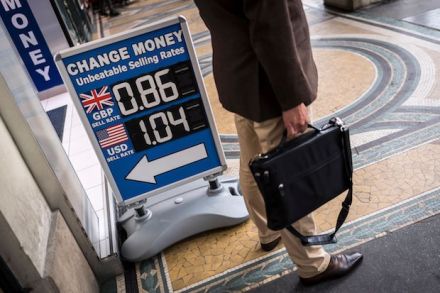
It’s one month until Easter and if you’re planning to make the most of the long weekend or the school holidays with a trip abroad be sure to also make the most of your travel money purchase. The fall in the value of sterling since the Brexit vote last June has made foreign holidays more expensive. The price of February half-term ski breaks was up nearly 12 per cent on average, according to M&S Bank. And while £1 would have got you €1.27 a year ago through the currency exchange and money transfer website xe.com, yesterday that had fallen to just €1.14 – a reduction of more than 10 per cent. But if you’re smart when it comes to buying travel money, you could claw back some of your spending power. Here’s how to make your pounds go further.

What the final Spring Budget means for your pocket

From our UK edition

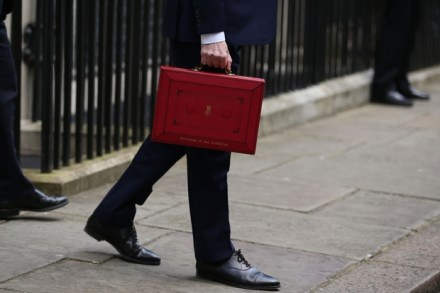
With the Chancellor’s Budget moving to a single event from later this year, yesterday’s final Spring Budget went out with a muffled pop rather than a bang. After announcing an improved forecast for economic growth throughout the rest of year and revealing that employment has reached a record high, the biggest personal finance changes set out will largely affect the self-employed and small businesses. Both groups will be hit by rises in National Insurance Contributions and business rates. Currently, the self-employed can have to pay both Class 4 and Class 2 NICs, which are charged at 9 per cent on profits between £8,060 and £43,000 and at a flat rate of £2.80 per week on profits of £5,965 respectively.

Car insurance costs to soar

From our UK edition

It’s been a painful week for drivers – and it’s only going to get worse. Insurance costs are set to soar and tough new penalties have been introduced for common motoring offences. Together these could cost drivers hundreds, if not thousands, of pounds. Here’s a look at what’s changed and how you could be affected. Rising car insurance costs     On Monday, a change to the way compensation for personal injury claims are calculated was announced by the government that will make it much more expensive for insurers. The ins and outs of the issue make for pretty dull reading (although the Daily Mail has a useful guide here) but, in a nutshell, it means as of March 20th, victims will get bigger lump sum payouts so insurers’ costs are going up.

What you need to know before buying health insurance for kids

From our UK edition

If you’ve had enough of battling to get the kids a doctor’s appointment, or don’t want them waiting months to be seen by a specialist, there is an alternative. You could take out children’s private medical insurance that will pay for some or all of the diagnosis and treatment your child may require. Such policies come with a long list of benefits. For example, most offer same-day video and phone consultations and can arrange specialist appointments and procedures much faster more than through the NHS. 'Another valued benefit,' says Kevin Pratt, consumer affairs editor at MoneySupermarket.com, 'is the cash payment that is made to the parent for each night that a child has to stay in hospital.

How to beat rising energy bills

From our UK edition

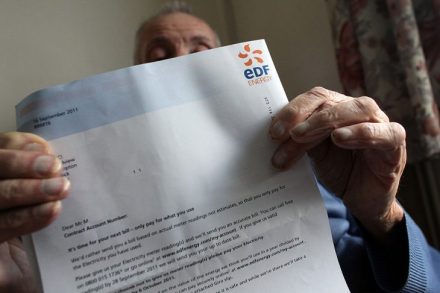
With the winter chill showing no sign of letting up any time soon, it’s even more depressing that some of the big energy suppliers are hiking their prices yet again. Scottish Power customers will see their gas and electricity costs rise 7.8 per cent on average from the end of March, adding £86 on to bills. EDF Energy and Npower have announced similar rises. The good news, however, is that it’s perfectly possible to slash your own bill. Of course, the best way to reduce the cost of energy is simply to use less of it by becoming more energy efficient – for example, by making sure your home is adequately insulated or turning the thermostat down by just a single degree. But if you want to save big bucks fast, all you need do is shop around for a better energy deal.

What you need to know about the Lifetime ISA

From our UK edition

Eight weeks today the Lifetime ISA will launch to help people save towards buying their first home or retirement. In reward for their efforts, some savers could receive a government bonus of up to £32,000. But seeing as more than two thirds of people don’t even know what a Lifetime ISA is (according to pension specialist Aegon), here’s a guide to the new account. What is it? The Lifetime ISA - or LISA - is a tax-efficient savings account for people aged 18 to 40 wanting to buy their first home (up to the value of £450,000) or build a retirement nest egg. How does it work? Savers and investors can put away up to £4,000 each tax year until they reach the age of 50 in order to earn a 25 per cent annual bonus from the Government.

Where to find free help for your money worries

From our UK edition

This week is one of the gloomiest of the year for people who work for themselves because they’ve had to settle up with the taxman. And it’s not just this week they feel the pain of self-employment, or just them who shoulder the burden. The financial impact of the way they work is taking its toll on their families all year round, according to research out today from Scottish Widows’ think tank. It found that one in five people with a self-employed relative say their family member has more financial worries since becoming their own boss, while just as many say they are more stressed as a result of their career choice.