Konstantin Kisin

Konstantin Kisin is co-host of the TRIGGERnometry podcast. He is the author of An Immigrant's Love Letter to the West

The tide is turning

From our UK edition

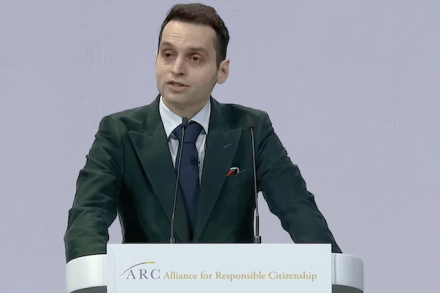
Konstantin Kisin delivered these remarks – which also appear on his Substack – at the ARC conference in London Ladies and gentlemen, it is great to be back at ARC. If we haven’t met, my name is Konstantin. I was born in Soviet Russia and moved here when I was a teenager. I love this country and I say so publicly, which is how you know I still haven’t integrated into British culture.  Last time we were here, I opened my speech with this quote from Aleksandr Solzhenitsyn. 'The strength or weakness of a society depends more on the level of its spiritual life than on its level of industrialisation. If a nation's spiritual energies have been exhausted, it will not be saved from collapse by the most perfect government structure or by any industrial development.

Konstantin Kisin on the war in Ukraine

From our UK edition

35 min listen

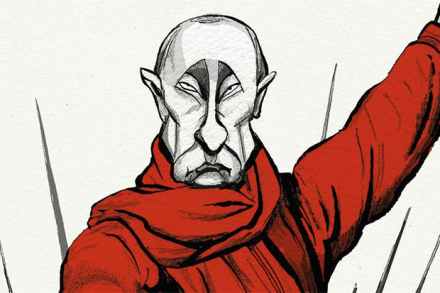
This week Winston is joined by Russian-British comedian, podcaster and author Konstantin Kisin. Konstantin gives his insight into the ongoing war in Ukraine, the Russian mindset, the potent myth of fighting Nazis and a little on his forthcoming new book ‘An Immigrant’s Love Letter To The West’.

Assetocracy: the inversion of the welfare state

From our UK edition

33 min listen

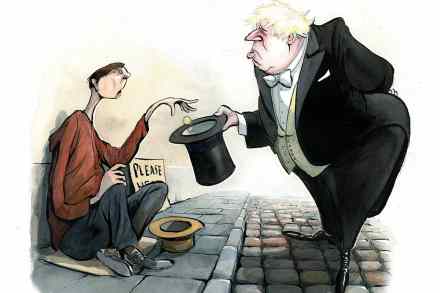
On this week's episode: why is the Prime Minister so desperate to support the assetocracy? In The Spectator’s cover story this week, after Boris Johnson revealed his plan to pay for social care with a National Insurance increase, Fraser Nelson says there has been an inversion of the welfare state. Is it right to ask the working poor to pay more taxes to help cover the social care of people who could easily fund it themselves? Kate Andrews, The Spectator’s economics editor, joins Fraser to discuss. (00:47) Plus, why is our knowledge of Soviet atrocities so poor? Attempting to fix this, James Bartholomew has been interviewing and recording the stories of survivors of Soviet oppression and torture.

I don’t support BLM and neither should you

From our UK edition

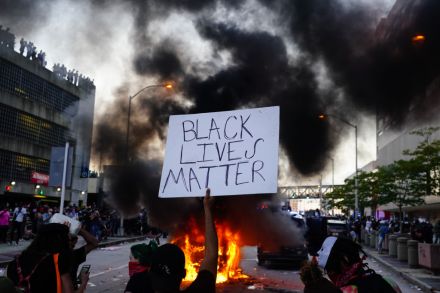
Most of us have remained largely silent as we watched the scenes of disorder and destruction around the country in recent weeks. Driven by the desire to be clear in our opposition to racism, we turned a blind eye as protestors abused and injured police officers, chasing them around the streets of London with impunity. We stood aside as they defaced key symbols of our history and bowed cowardly institution after cowardly institution to their will. We watched spokespeople for this movement declare a cultural revolution and pretended we did not know what that meant. We can no longer afford to maintain this façade of ignorance and docility. Do I believe the lives of black people matter? Of course. Do I think racial injustices must be addressed, and with urgency? Absolutely.

Hysteria about Russian interference is becoming a joke

From our UK edition

The murder of Russian defector and fierce Putin critic Alexander Litvinenko was a radioactive wake-up call to many in the West about the nature of the Russian regime. Eight years later, the annexation of Crimea and subsequent invasion of eastern Ukraine in 2014 were also rightly condemned around the world. It's safe to say these events – and the ongoing allegations of Russian meddling in western democracies – have made it an interesting time to be a Russian in this country. Yet while this topic has been a rich vein of material for a comedian, the extent of hysteria about Russia’s involvement in every aspect of our daily lives is now getting beyond satire. We’re told the Russians were responsible for Brexit.

Brexit and the death of the British sense of fair play

From our UK edition

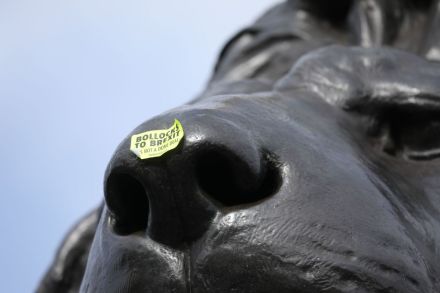
As an immigrant Remain voter, I am starting to worry about my fellow members of the metropolitan elite. Some of those whose cause I share dutifully attend protest marches, attack people whose political views they don’t share and talk cheerfully about the rise of fascism. The madness of this supposedly liberal cause is in plain sight, yet it continues to thrive, boosted supposedly by Remain’s performance in the EU elections. We were told by some that Remain won the election in which a six-week old Brexit Party captured first place, a third of the popular vote and 40 per cent of seats. It rather reminded me of how we do elections in Russia: first you vote and then someone comes along and explains who actually won.

How ‘right wing’ became the smear for those we disagree with

From our UK edition

Until recently, the rules on political labelling were clear. If you voted Labour, supported Remain and expressed how much you cared about refugees on Facebook, you were left wing and therefore a good person. If you voted Tory, supported Leave or failed to signal your virtue on social media with the required frequency, you were right wing and therefore bad. Today, however, this system for dividing society into good and evil is crumbling under the weight of its own oversimplifications. It turns out that plenty of traditional Labour voters supported Leave, while many Tories went for Remain. The emergent Brexit Party has a broad range of candidates from both sides of the political spectrum. How complicating and how frustrating.