Keith Lowe

The road to firebombing Tokyo was paved with good intentions

From our UK edition

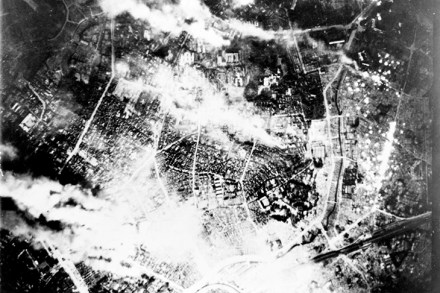
In the 1930s, a group of American airmen had a dream. Air power, they believed, would do away with the need for armies and navies. The aeroplanes of the future would be able to drop bombs so accurately that there would be no need to kill soldiers in their millions: a handful of strikes on a few key factories would be enough to cripple an enemy’s economy and force them to sue for peace. It did not take long for this dream to turn sour. When the second world war broke out, the Americans soon discovered that their precision bombing was not nearly so precise when they were being shot at. When they flew high, clouds often obscured their targets.
High flyers

From our UK edition

It is conventional wisdom in the publishing industry that, despite the old adage, readers do indeed judge books by their covers. So, it seems, do passengers on the No. 29 bus. For a middle-aged man reading Clare Mulley’s The Women Who Flew for Hitler, some of the looks I got made me so uncomfortable that I took to hiding the cover behind a newspaper. So let’s get one thing straight from the beginning: this is not a niche book for Third Reich enthusiasts, nor a seedy excuse to fantasise about women in Nazi uniforms. Do not be put off by the awful title: it is in fact a serious double biography of two of the most remarkable women in the history of aviation. The first of Mulley’s subjects, and the more famous of the two, is Hanna Reitsch.