Kate Hoey

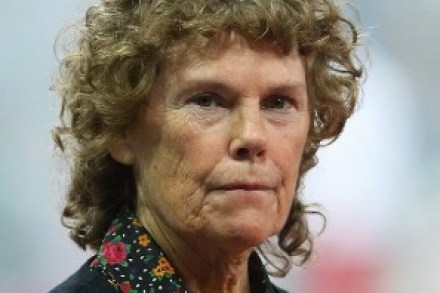
Baroness Hoey of Lylehill and Rathlin was a Labour MP for 30 years, and served as the minister for sport.

Britain’s smoking ban will inflict havoc on Ireland

From our UK edition

As Westminster and Dublin compete with performative new tobacco bans, smokers on the island of Ireland will be forced to dodge between jurisdictions and shifting laws just to buy a pack of cigarettes. Starting in February 2028, adults under the age of 21 in the Republic of Ireland will be barred from buying tobacco at home but will still be able to nip across the border to stock up in Northern Ireland. But once the UK’s generational smoking ban begins, the farcical cross-border relay will reverse, with 22-year-olds banned from buying tobacco in Belfast still free to do so in Dublin. As the years go by, the legal absurdity only deepens.

The shameful legacy of Tony Blair’s Hunting Act

From our UK edition

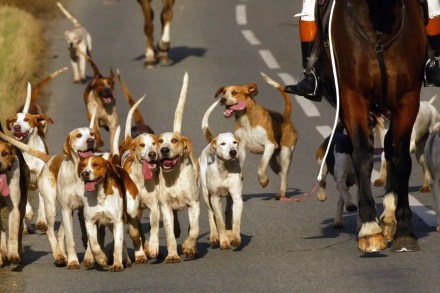
Most laws enacted nearly 20 years ago become uncontroversial with the passage of time. The Hunting Act, though, is not one of them. As hunts gather today for their traditional Boxing Day meet, the latest chapter in this ongoing story involves fresh claims about Labour and past ‘cash for commitments’. Central to these is the allegation that the pledge to ban hunting with hounds in the 1997 party manifesto was effectively purchased by a £1 million donation. Shortly before the election, the Labour party received that figure from Political Animal Lobby, now known as Animal Survival International. It has always been a fair assumption that such a large sum had a significant impact on Labour policy, particularly on hunting. But until recently we could not say that definitively.

The Kate Hoey Edition

From our UK edition

32 min listen

Kate Hoey is a Labour MP for Vauxhall, having been in that role for 30 years. Hoey talks to Katy Balls about growing up in Northern Ireland, fighting to win her current seat in Vauxhall, and how she developed a reputation as a rebel in her party.

Why Labour needs to step back from the hunting debate and look at the facts

From our UK edition

The public can always tell an election is near when the photo opportunities start to increase. Just such an occasion occurred on the 10th anniversary of the Hunting Act in November, when the Parliamentary Labour Party office invited MPs to have a photograph taken, ‘with a large fox holding up a sign saying “Back the ban”.’ Needless to say, I did not attend. In his book Last Man Standing, Jack Straw says with regard to hunting: ‘To me, banning it was a nonsense issue for a serious party making a determined bid for government after 18 years in opposition. It was best left alone.’ Ten years after the Hunting Act was passed, Jack has been proven to be right.

No longer beautiful

From our UK edition

To some it might seem unbelievable that a goal scored at a football match at Anfield between Arsenal and Liverpool 20 years ago could be the event around which anyone could write an entire book. But this is exactly what Jason Cowley has done. Despite a childhood spent in the East End, and with a West Ham- supporting father, the author has been, from an early age, an avid Arsenal fan and wears his Arsenal shirt under his jacket when standing with his father at Upton Park. This book is certainly not just for Arsenal or Liverpool fans but for all who want to reflect on the huge changes which have taken place in the culture of football over the past 20 years. The watershed year was 1989.

The sunset glory of the amateurs

From our UK edition

3:59:4: The Quest to Break the Four-Minute Mileby John BryantHutchinson, £14.99, pp. 310, ISBN 0091800331 Fifty years ago, on 6 May 1954, it was a blustery evening in Oxford. On the Iffley Road cinder track an event took place which has since become synonymous with everything that was good about sport. To run a mile in under four minutes had been seen by many as a feat beyond the limits of human endeavour. But Roger Bannister did so that night in front of a crowd of 1,200. His photograph appeared on the front page of newspapers all over the world and he became a British hero for the rest of his life. Yet he earned nothing, and the next day was back working at St Mary’s Medical School, London.