Kate Chisholm

Two sides to every story

From our UK edition

Maybe the equality inspectors at the corporation didn’t get the chance to vet Richard Littlejohn’s series for Radio 2, The Years that Changed Britain Forever, before it was broadcast on Sunday. Maybe the first programme (produced by Jodie Keane) was an accurate reflection of the year it focused on, 1972. But the most striking thing about it was not so much Littlejohn’s thesis, by which he declared that politically, culturally and musically it was a pivotal year in our national history, determining events that followed much later. No, it was his selection of music to accompany his thoughts about how the miners’ strike of 1972 led to the three day week, which led to the general election that destroyed Edward Heath and brought Arthur Scargill to national prominence.

Voices of import

From our UK edition

By the age of eight Vaira Vike-Freiberga had learnt that life was both ‘very strange and very unfair’. Her baby sister had died from pneumonia the previous year because of the harsh conditions of life in a refugee camp in Germany (this was late 1944 and her family had fled their native Latvia for fear of the communists). Her mother soon had another child but when Vaira went to see her new brother in hospital she observed the young woman in the next-door bed turning her face to the wall against her wailing baby, product of a gang-rape by Russian soldiers. The nurses had given this unwanted baby girl the same name as Vaira’s much-mourned sister.

Listening space

From our UK edition

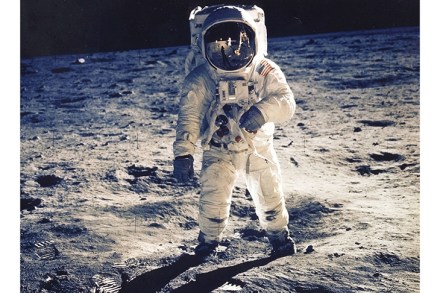
Television has the pictures but the most spine-tingling moments in the recordings from the Apollo space missions are the bursts of crackling conversation between the spacecraft and mission control. Never a word wasted, absolute precision and the most surprising clarity even when there are only seconds to spare before total disaster is averted. The wonderful documentary on BBC2 last week gave us those awe-inspiring shots of the Earth emerging from the dark side of the moon, taken by Buzz Aldrin from the Eagle, but it was the World Service’s podcast, 13 Minutes to the Moon, that made real just how incredible those 13 minutes were, when the Apollo 11 lunar module was blasted off from the command module and made its way down to the surface of the moon.

A matter of life and death | 11 July 2019

From our UK edition

One of the advantages that podcasts have over the scheduled array of programmes is the space that can be given to a subject, turning what would have been a one-off into a whole series sometimes three or four hours long. This can be offputting. Who has the time to give so much to one programme? Even more so now when there’s so much else on offer to distract and entertain. But in the case of the new podcast ‘dropped’ this week by the Beyond Today team those three hours (in six half-hour episodes) have been used to best effect, allowing the story to build, the voices to become clearer, the families and the horror of what they have experienced to become more real.

End of an era

From our UK edition

There’s been a Dimbleby on air since before I was born but last Friday saw the end of that era when Jonathan retired as chairman of Radio 4’s Any Questions after 32 years. It’s a bit like imagining life in Britain once the Queen dies. The Dimbleby family has been intertwined with the history of the BBC, and major national events, since the second world war when Richard, the father, carved out his career as a war reporter, most famously from Belsen in 1945. Mere mention of the name conjures up those Reithian values — clear reportage, an intelligent and fair-minded assessment of what’s going on, and access to that information for everyone.

Tables turned | 27 June 2019

From our UK edition

It can’t be easy to find yourself on the other end of the microphone when you’re a journalist of the calibre of Emily Maitlis. You know all the pitfalls, how easy it is to be teased out of your bunker, to say more than you ever intended under the scrutiny of an ambitious, driven interviewer with a keen nose for a story. In One to One on Radio 4, though, it was surprising to hear the ultra-cool Newsnight presenter almost in tears as she recalled covering the Manchester Arena bomb and the Grenfell fire. We could hear her voice catching, the tears welling up, her words stuttering as she tried to get her breath back.

The sea, the sea

From our UK edition

Walking into Fingal’s Cave, after scrambling across the rocks to reach it from the landing stage where the boat from Mull arrives, is a strangely emotional experience. It’s not just the extraordinary landscape, the precise, almost unnatural shaping of the hexagonal basalt columns that rise up high above you, the screeching of gulls and roaring of the sea as it enters and leaves the cave. That’s enough to provoke a sense of wonder. But there’s also so much history attached to the place since it was discovered by the Romantics and became the epitome of the sentimental landscape, awesome in scale, and also quite frightening.

She hasn’t stopped dancing yet

From our UK edition

It’s not often you hear the voice of a 104-year-old on the radio. You’re even less likely to hear one so clear in thought, so spirited and full of enthusiasm for life. Eileen Kramer’s voice crackles with age, with the years she has lived, but from what she says, and the energetic way she says it, she could be at least 30 years younger. ‘I don’t know how long I will go on living,’ she says, but she’s still excited by the present: ‘There’s so much going on. I’m living in that period when a lot is being discovered about everything.

Acts of settlement

From our UK edition

‘Put yourself in their shoes,’ says Zahra Mackaoui, a British-Lebanese journalist who has been following the stories of refugees from Syria for five years, catching up with them as they move on restlessly, searching for a place to settle. ‘Ask yourself, what would I have done?’ That question echoed through her series of documentaries for the World Service as we heard from those who have been exiled by a war in which they have played no part except as victims. What would I have done? In Beyond Borders (produced by Craig Templeton Smith), the open, frank honesty of Hani, Ayesha, Doaa Al Zamel and Fewaz gave us an opportunity to see deeper into their experiences. All of them have lost everything: the future they had once envisaged; the past, too, best forgotten.

By George

From our UK edition

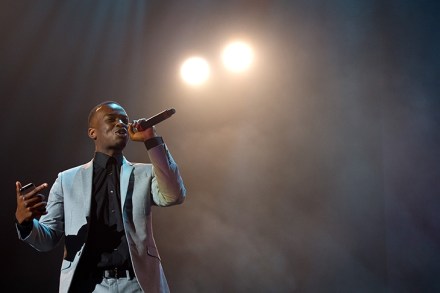
At last a podcast that takes the medium to its limit, created by someone who loves listening, understands how it can take the imagination to places visual images alone cannot, and wants to make use of this, not just for fun but with real intent. Have You Heard George’s Podcast? was last week awarded UK Podcast of the Year, and rightly so. I’ve never heard anything quite like it. At times George’s playfulness and gift for exploring the full meaning of the words he uses reminded me of early Tom Stoppard; other episodes were more like a Radio 1Xtra documentary about life on the street or the rise of drill. Each of the eight episodes tackles different themes, from the riots of 2011 to the Grenfell fire via an ideas war inside George’s head.

Women on top | 16 May 2019

From our UK edition

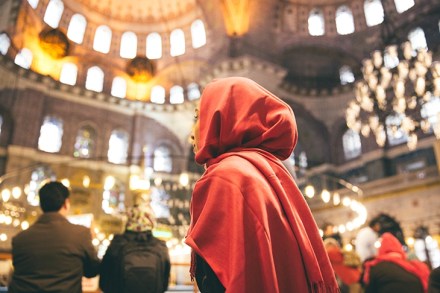
On returning from a brief trip to Istanbul, where inside the mosques women are still very much kept to one side, only allowed to look on from an angle, unable to contemplate the full mystery of the space created within those extraordinary domes, I was intrigued on Sunday to happen upon Heart and Soul (produced by Lindsay Leonard) and to hear a Muslim woman leading the prayers to Allah. She sounded so natural, so intent, her voice modulated and firm, uplifting and authoritative. But how, I wondered, is this possible? Where is this female imam allowed to practise?

Afghanistan’s got talent

From our UK edition

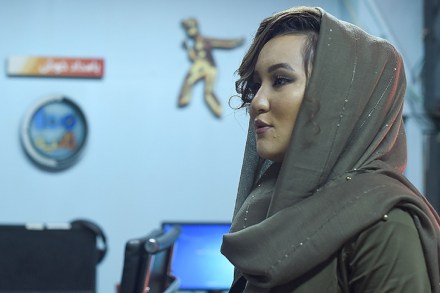
The cheering fans, the dramatic Hollywood-style drum rolls, the excitable host all sound just like The X Factor or The Voice. It’s hard to believe that beyond the lights and cameras there’s a huge security operation keeping the singers, TV staff and audience safe. But the Afghan version of the talent show is still under attack from the Taleban. In The Art of Now: Afghan Stars on Radio 4 (produced by Roger Short) we heard from Massood Sanjar, who set up the TV company that produces the programme, and Zahra Elham, this year’s winner, voted to the top spot by the audience, the first woman to win the show in its 14-year history.

Up close and personal | 2 May 2019

From our UK edition

‘Can you fly down this evening?’ she was asked by her boss in the Delhi office of the BBC. ‘Yes, of course. I have to,’ replied Ayeshea Perera, a Sri Lankan journalist. She was talking from Colombo to David Amanor of the World Service’s The Fifth Floor, which looks at current news stories from the perspective of those intimately involved with them and is always worth catching for its alternative, less formal approach and Amanor’s gentle probing to find the real story. Perera described the chaos on arriving at the airport in the Sri Lankan capital on the evening of Easter Day and the weirdness of going to see the Church of St Anthony next morning to find that from the outside it looked just as she had always known it.

The sense of an ending | 25 April 2019

From our UK edition

It was never given the choicest slot in the schedule, airing first thing on Sunday morning with a repeat at the end of the day. But in its 24 years Something Understood, guided and often presented by the esteemed foreign correspondent Mark Tully, has gathered an impressive audience. Its blend of poetry, prose and music from a huge variety of thinkers, theologians, scientists, poets and composers, carefully (but not artificially) edited around a theme, is for many listeners the best of Radio 4, challenging yet always accessible, highly selective but broad in content. I didn’t always manage to hear it but was glad to know it was there. Yet on Easter Day Tully presented the last ‘live’ programme, his final script, and in its ending perhaps gave the clue to its success.

Hard lines

From our UK edition

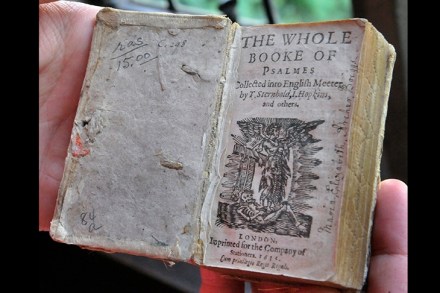
As if in defiance of the BBC’s current obsession with programming designed to entice in that elusive young and modish audience, Radio 4 has set us an Easter challenge. Each afternoon over the weekend Jeremy Irons is reading a chunk from The Psalms for half an hour, without illustration (except a bit of music), explication or deviation. It’s a discomfiting listen, at times harsh, unrelenting. The supple but rigorous language of the King James Version of the Bible is both daunting and uplifting. ‘Keep me as the apple of the eye’ is one of my favourite images, and ‘hide me under the shadow of thy wings’ has helped me through many a long night.

People power | 11 April 2019

From our UK edition

He is said to ‘have changed the sound of speech radio’, not just by giving voice to those who until then (the 1960s) had not been given air time, the richness of their county accents too far removed from Broadcasting House’s Received Pronunciation. He won awards for his pioneering use of the new midget tape recorders, taking his microphone out of the studio and down the mines, to the fishing harbours, into the boxing rings and talking to teenagers. He was also a genius at editing, able to cut away an errant ‘s’ or insert a single note into the soundscape with the rudimentary tools then available, a sharp razor blade and a steady hand.

Seeing things

From our UK edition

At its best audio can be a much more visual medium than the screen. Making Art with Frances Morris (produced by Kate Bland), which I caught by chance on Radio 4 last week, gave us insights into the work of the French conceptual artist Sophie Calle that were so vivid it was almost as if we had been to an exhibition of her work. Calle, now 65, is known for her unconventional approach to what art can be. In 1980 she was invited to show one of her first works, The Sleepers, a collection of photographs, in New York. ‘I asked people to give me a few hours of their sleep. To come and sleep in my bed. To let themselves be looked at and photographed,’ is her explanation of the project.

Foreign exchange | 28 March 2019

From our UK edition

As the ravens circle around Broadcasting House in London’s West End, presaging difficult times ahead for BBC Radio, with less money to play with at a time of increased competition from its commercial rivals, a very different kind of listening experience was on offer last week in an upstairs room above a café in Canterbury. The UK International Radio Drama Festival is in its fifth year, gathering dramas from across Europe and beyond for a week of intense and unusual audio, transmitted in 18 different languages. Thirty or so of us sat around as the plays were broadcast through a number of old-fashioned radio sets, listening to monologues, musicals, character studies, experimental sound art in Czech, German, Farsi, Spanish, Slovene, Serbian, Romanian, Russian and more.

Black magic | 21 March 2019

From our UK edition

‘You’re thinking these girls all wrong,’ Miss Mai tells Enid in Winsome Pinnock’s play Leave Taking, adapted from the recent Bush Theatre revival for Radio 3 (and produced by Pauline Harris). ‘They don’t know where they come from.’ Miss Mai continues: ‘These girls got Caribbean souls,’ but they’re living in south London. Viv and Del have been taken to see Miss Mai, known locally as an obeah woman, by their mother Enid for a palm reading, a prediction, or perhaps a casting out of demons. Del has got into bad company, has lost her job at the burger bar for being cheeky, and fears she must be pregnant. Viv was the studious one, her mother’s great hope, but is now beginning to wonder what Shakespeare has to say to her.

Only connect | 14 March 2019

From our UK edition

It’s not surprising given the way that electronic communication has taken over so much of our daily business, minimising human contact wherever possible, that podcasting (or what might be called aural blogging) has taken off in such a big way, anything from Griefcast to Love + Radio via The Breakup Monologues and To the Woman. We crave the sound of a human voice talking to us and no one else, and even better when it comes in disembodied form, stripped of all physical expression. This intense aural connection has been radio’s chief selling point since the 1920s, technology enhancing human interaction, the need to tell and listen to stories.