Kate Andrews

Kate Andrews

Kate Andrews is deputy editor of The Spectator’s World edition.

US election: how did the polls get it so wrong?

From our UK edition

18 min listen

The post–mortem has begun on the US election with the Democrats desperately trying to figure out what just happened. To make sense of the result, Katy Balls is joined by Kate Andrews and James Kanagasooriam, chief research officer at Focaldata. On the podcast they discuss: how an election that seemed to be on a knife–edge ended in a landslide; how the Democrats misjudged the issues that matter to their core voter coalition; how global election trends and the ‘incumbency problem’ played a part; and how the term ‘asymmetric realignment’ can describe the voting patterns we saw yesterday. Produced by Oscar Edmondson.
The interest rate cut is good news for Labour

From our UK edition

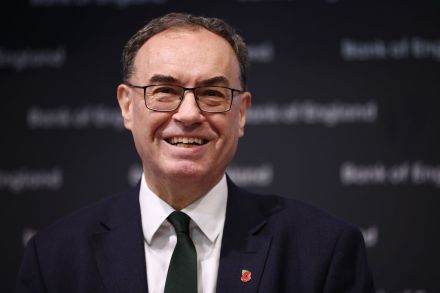
The Bank of England has announced its rate cut of 0.25 percentage points, reducing the base rate from 5 per cent to 4.75 per cent. The decision, voted 8-1 by the Monetary Policy Committee, is the second rate cut to be announced by Threadneedle Street since the inflation crisis began. Markets were expecting a rate cut today, after the Bank held rates in September. The BoE has been clear that bringing down the base rate will be a slow and steady process, as the Committee continues to assess the impact of lower rates on the economy and potential inflationary effects. This ‘gradual approach’ was reconfirmed today in the MPC’s minutes, as inflation is expected to rise slightly above target by the end of the year, to around 2.5 per cent.

Lionel Shriver on the election that smashed identity politics

From our UK edition

29 min listen

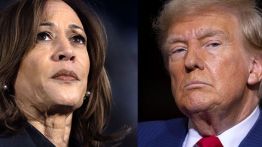
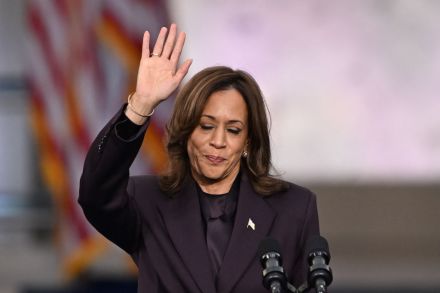
News that Kamala Harris has called Donald Trump to concede defeat means that the US election is all but over. Of the seven crucial swing states, Trump has so far won North Carolina, Georgia, Pennsylvania, Wisconsin, and Michigan. Republicans have taken the Senate back from the Democrats. How did things go so badly for Kamala Harris? Is this the end of identity politics? Lionel Shriver, author and columnist, joins The Spectator’s economics editor Kate Andrews to reflect on what happened, and how she's feeling now considering she disliked both Kamala Harris and Donald Trump as candidates.

Why Donald Trump won and the real reason Kamala Harris lost

From our UK edition

33 min listen

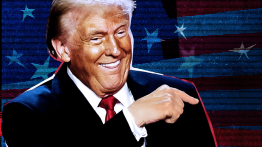
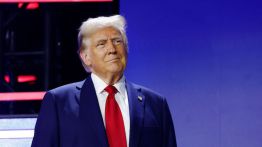
Donald Trump has won the election and will be 47th President of the United States after winning the key battleground states of Pennsylvania, North Carolina and Georgia. ‘America has given us an unprecedented and powerful mandate,’ the Republican candidate told supporters. ‘This is a magnificent victory for the American people, that will allow us to make America great again,’ he said at the rally in Florida. It has been total victory, with the Republicans also winning Senate and the popular vote. Kate Andrews is joined by Sarah Elliott and Rick MacArthur to unpack a historic election night.

Donald Trump is set to win the presidency

From our UK edition

In the run-up to the US election, it was expected that the count could take days, possibly a week. Now, it looks like the 2024 election will be decided in a matter of hours. Swing states North Carolina and Georgia have been called for Donald Trump. Fox News reports that the most crucial swing state in this election – Pennsylvania – has been won by Trump. The surprise Selzer poll from over the weekend, showing Kamala Harris three points ahead in Iowa, proved badly wrong: Trump has won the state. The Republican candidate is now only a few electoral votes away from clinching the presidency.

Election night: early signs suggest it’s Trump’s to lose

From our UK edition

21 min listen

Results are coming in across the United States, and the early signs (though it is still very early) look good for Donald Trump. At the time of recording, the betting markets are with him and the famous New York Times ‘Needle’ has swung to a 'likely' Trump victory. It is still much too early to call in an election that could drag on for days to come. No media outlet has called it for either candidate yet. To give you the latest updates from the States, Kate Andrews is joined by The Spectator’s team on the ground: Amber Duke is in battleground state Michigan; Matt McDonald joins from Washington DC, where Kamala Harris is having her election night party; and Freddy Gray speaks from team Trump's party in Palm Beach, Florida.

The American election question the pollsters couldn’t answer

From our UK edition

In retrospect, it’s easy to justify any election outcome. This election won’t be any different. In fact, it will be easier than ever to explain the result.  He hadn’t won an election since 2016. He ran a campaign of fear and division. Between elections, he was convicted of 34 felonies. He picked a Vice Presidential candidate with narrow appeal. He struggles with rambling. He isn’t popular. He never has been. Of course Kamala Harris won the election. On the flip side: she couldn’t break through into double digits in her own party’s primary polling. She’s held both sides of almost every public policy position – and refused during the 2024 campaign to clarify what she thinks now.

Donald Trump’s ‘counter-cultural’ gamble

From our UK edition

23 min listen

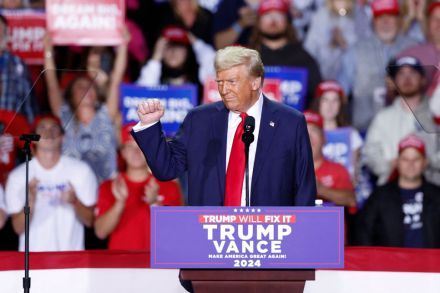
Last night, Donald Trump appeared for what will be his last-ever presidential campaign rally, for a crowd of about 12,000 in Grand Rapids, Michigan. He stuck with tradition and ran through many of his greatest hits – dishing out insults, talking about his scrape with death, and dancing to ‘YMCA’. But he did also hammer home his pitch as ‘Trump the fixer’, and the one who can undo four years of Biden–Harris. In the crowd was Spectator World’s Washington editor, Amber Duke, who joins Kate Andrews from Michigan to discuss what she’s seeing on the ground as Americans go to the polls in this key swing state. Which issue will be the one that decides the election?

Is the last minute momentum really with Kamala Harris?

From our UK edition

36 min listen

As the 2024 US election goes into the final day, a poll giving Kamala Harris a lead in the historically Republican state of Iowa has bolstered the Democrats. Is momentum really with her? And what appears to be the most important issue to voters - the economy, or abortion rights? Guest host Kate Andrews speaks to John Rick MacArthur, president and publisher of Harper's Magazine, about his views on America's election process from postal voting, trust in the system, and whether the electoral college needs reform. Produced by Patrick Gibbons.

Rachel Reeves’s new gamble

From our UK edition

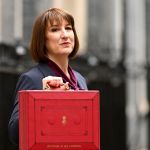
Credit to Rachel Reeves: while some chancellors opt to take part in the Sunday shows ahead of a fiscal event, the Chancellor has decided to do the media round the Sunday after her first Budget. Rather than spending the entire interview refusing to say what will be announced in the week ahead (the information is considered to be market-sensitive), she is instead having to answer difficult questions about what she announced on Wednesday. It wasn’t an easy morning, as Labour’s Budget narrative continues to get tested to breaking point. Reeves was played a video on Sky News this morning of her comments back in June, when she said no tax increases would be necessary, apart from what was specified in the party’s election manifesto.

America’s impossible election choice

From our UK edition

31 min listen

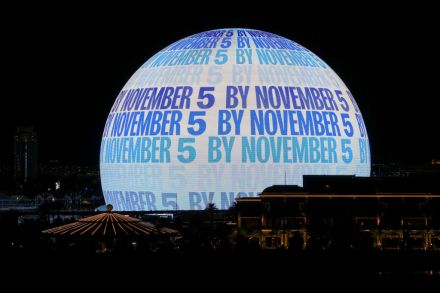
With just days to go until the American election, Kamala Harris and Donald Trump's respective campaigns continue to ramp up, with rallies and gimmicks, and even advertising on the Las Vegas Sphere. Despite this, Spectator contributor Lionel Shriver declares she is America's 'last undecided voter'. Why? Is it the candidates' characters that put her off voting for them, or the policies they represent? Lionel joins guest host, and fellow American, Kate Andrews to discuss further.  Produced by Megan McElroy and Patrick Gibbons.

Can Labour save its Budget?

From our UK edition

14 min listen

The fallout from Labour's Budget continues. On the media round this morning, Darren Jones, Chief Secretary to the Treasury, admitted that it will hit working people, and the cost of government borrowing has only risen since Rachel Reeves delivered her speech to Parliament. Katy Balls, Kate Andrews and James Heale take us through the reaction from various groups, including small business owners, farmers and the markets. Is the Budget unravelling? Also on the podcast, they look ahead to tomorrow's Tory leadership result; could low turnout make a difference? Produced by Patrick Gibbons.

Can Labour save its Budget?

From our UK edition

After the Office for Budget Responsibility’s assessment of the Budget was published on Wednesday, the cost of government borrowing started to rise. Yesterday, those costs hit their highest levels this year, with the 10-year gilt yield peaking just over 4.5 per cent and the five-year gilt yield exceeding 4.4 per cent, before settling slightly by the end of the day.  Labour need this trend to stop. The further borrowing costs rise and the pound falls, the more expensive Reeves’s Budget becomes, as investors demand a higher return for lending to the UK. Moreover, the longer jitters persist, the more certain it will seem that markets have not bought Labour’s fiscal proposal to borrow an additional £140 billion over this Parliament.

Team Trump, astrologers versus pollsters & debating history

From our UK edition

43 min listen

This week: Team Trump – who’s in, and who’s out? To understand Trumpworld you need to appreciate it’s a family affair, writes Freddy Gray in the magazine this week. For instance, it was 18-year-old Barron Trump who persuaded his father to do a series of long ‘bro-casts’ with online male influencers such as Joe Rogan. In 2016, Donald’s son-in-law Jared Kushner was the reigning prince; this year, he has been largely out of the picture. Which family figures are helping Trump run things this time around, and which groups hold the most influence? Freddy joins the podcast alongside economics editor Kate Andrews. What are the most important personnel decisions facing Trump if he wins next week? (0:58).Next: do astrologers predict elections better than pollsters?

Why are Trump and Harris campaigning in safe States?

From our UK edition

32 min listen

As we get closer to the US election, Kate Andrews, The Spectator's economics editor, joins Freddy Gray to host Americano. On this episode, she speaks to Megan McArdle, columnist at the Washington Post. They discuss why Donald Trump and Kamala Harris aren't campaigning in swing states, and why it's so difficult to predict the election result.

Can Rachel Reeves calm the markets?

From our UK edition

The more investors dig into Labour’s first Budget, the less they seem to like it. After the Office for Budget Responsibility published its assessment of the Chancellor’s measures yesterday afternoon, some immediate (and expected) volatility set in. But rather than settling down, market jitters seem to have worsened today, as a gilt sell-off saw government borrowing costs hit their highest level in 2024 this afternoon, with the 10-year gilt yield reaching 4.52 per cent and the five-year gilt yield reaching 4.41 per cent. So far the situation is manageable for the government – but is a strong indication that the markets are not quite as on-side with their plans for spending as had been suggested.

Living standards take a hit in Labour’s Budget

From our UK edition

‘Judge us by whether, in five years’ time, you have more money in your pocket,’ Keir Starmer told the Mirror earlier this week. This comment came ahead of his speech in the West Midlands, which was designed to prepare the country (and markets) for the Budget. ‘Everyone can wake up on Thursday and understand that a new future is being built, a better future,’ he said in his address. The message was clear: tough decisions now would lead to a brighter – and more prosperous – future in the UK.  In simple terms, the tax hike is set to redirect cash from workers’ wages to the Treasury instead Has that promise been delivered?

Labour’s low growth Budget

From our UK edition

15 min listen

Rachel Reeves has announced that taxes will rise by £40 billion in Labour’s first Budget for 14 years. The headlines include: an increase in employers’ National Insurance contributions from April to 15 per cent, raising £25 billion; that the freeze on income tax and National Insurance thresholds will not be extended past 2028; that the lower rate of capital gains tax will be raised from 10 per cent to 18 per cent, and the higher rate from 20 per cent to 24 per cent; that fuel duty will remain frozen for the next two years; and the introduction of VAT on private school fees from January. The Chancellor didn’t want to surprise anyone with this Budget.

Labour’s Budget will crush growth

From our UK edition

Rachel Reeves didn’t want to surprise anyone with this Budget. She didn’t want to shock the markets, nor did she want any accusation that she had played fast and loose with the public finances. So by the time the Chancellor stood up in the Commons today, the bulk of her big decisions were already public knowledge, with just the details to come.  Still, that won’t make today’s fiscal event any less memorable – or painful. This Budget ushers in a new era: one where the tax burden sits at its highest level since the war, where tax hikes push more people out of the labour market, and where growth forecasts actually decline in the second half of this Parliament.