Kate Andrews

Kate Andrews

Kate Andrews is deputy editor of The Spectator’s World edition.

Are Sunak and Hunt planning a windfall tax grab?

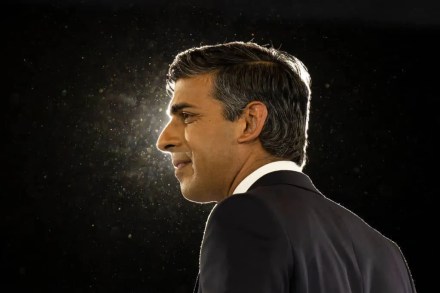
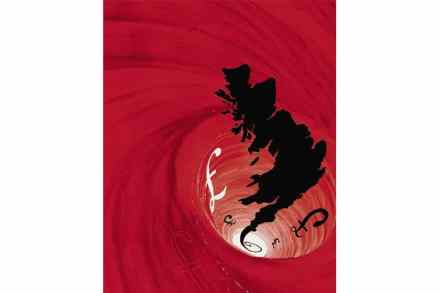
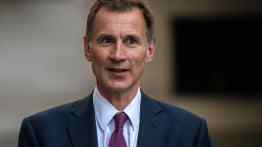
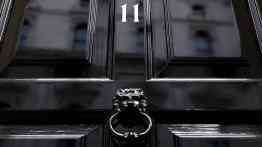
When Rishi Sunak entered No. 10 on Tuesday, he paid lip service to the aims of his predecessor. Liz Truss ‘was not wrong to want to improve growth in this country’, he said outside Downing Street. But ‘mistakes were made’ which is why he was installed as Prime Minister: to fix the economic fiasco that has overwhelmed Britain over these past few weeks. This morning’s news about looming growth forecasts brings both statements to the fore. Just over a week ago, Chancellor Jeremy Hunt thought he had to find upwards of £30 billion worth of spending cuts and tax hikes to fill the black hole in the public finances. But Treasury officials have told the BBC that Sunak and Hunt together may be looking for something closer to £50 billion to get the public finances back in order.

Delaying the fiscal statement is a wise move

The date of the fiscal statement has changed again. The Treasury has announced that the update – now being billed as an ‘Autumn Statement’ – will be pushed back from 31 October to 17 November, just six days earlier than the original date planned by Kwasi Kwarteng. Chancellor Jeremy Hunt said the delay means it will be based on the 'most accurate possible' economic forecasts. A hold-up was expected once it became clear that Rishi Sunak was going to emerge as the next Tory leader and Prime Minister. Penny Mordaunt was thought to have told chancellor Jeremy Hunt that his statement would go ahead as normal if she won the leadership race.

Liz Truss should have known better

In the coming weeks we’re going to learn a lot more about what went so badly wrong inside Liz Truss’s government. Indeed, my colleague James Heale is co-writing the book on it. As Rishi Sunak heads into No. 10 in a bid to undo some of the damage (‘mistakes were made…’ he said on the steps of Downing Street this morning, ‘...and I have been elected as leader of my party, and your Prime Minister, in part, to fix them’) we are bound to learn more about the miscalculations, bad advice, and hubris that ultimately led to the undoing of prime minister Truss in just a matter of weeks. It seems likely that a common thread will join these slip-ups together: that Liz Truss should have known better than to make the economic mistakes she did.

Can Rishi calm the markets?

On this morning’s Coffee House Shots, Fraser Nelson returned to the phrase he coined last Wednesday: ‘the muppet premium'. This premium, he said, summed up the additional borrowing costs markets were now demanding from the British government, having lost credibility for responsible and sustainable financing. Are there early signs that soon-to-be prime minister Rishi Sunak is already tackling this premium? While there hasn’t been significant movement in sterling today, the gilt markets already appear to be responding to the imminent change in leadership. 10-year gilt yields dropped under 4 per cent when the market opened at 8am, settling at around 3.8 per cent.

Ready for Rishi?

12 min listen

After Boris pulled out of the leadership race last night, all eyes are on Rishi Sunak who could be Prime Minister by lunchtime. Can Rishi rescue the Conservatives?Kate Andrews speaks to Katy Balls, James Forsyth and Fraser Nelson.Produced by Natasha Feroze.

Mervyn King said the unsayable about Britain’s economy

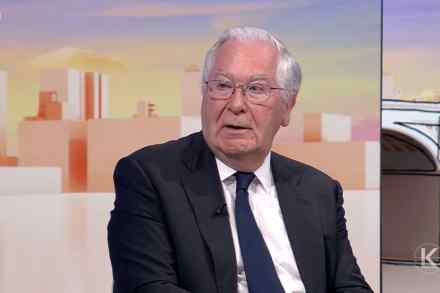
This morning the BBC hosted a current Tory leadership contender and the leader of the opposition on Sunday with Laura Kuenssberg. Yet the most insightful comments came from one of the panel members: Lord Mervyn King, former governor of the Bank of England between 2003 and 2013. Asked by Kuenssberg about the narrative that’s doing the rounds with some Truss supporters – that markets ‘bullied’ Truss out of her plans and out of office – King offered up a robust response and a clear explanation of what had gone so badly wrong: Markets are not in charge. Governments and central banks are. Markets respond to the announcements made by government and central banks.

Could Boris Johnson’s cakeism survive the markets?

In the brief time Sajid Javid was chancellor to Boris Johnson, he spelled out to The Spectator his ‘low for long’ theory about rates: a theory which would enable the new prime minister’s ambitious spending agenda. Speaking to Fraser Nelson in December 2019, Javid was confident that the era of ultra-low interest rates and extremely favourable borrowing costs was here to stay. ‘It just felt quite ludicrous seeing that a government could borrow at negative real interest rates and not take advantage of that,’ the then-chancellor told the magazine.

These figures show the enormity of the next PM’s task

Next week we will have a new prime minister (again), but the economic problems facing the country will remain the same. This morning’s update from the Office of National Statistics shows public sector net borrowing was  £20 billion last month: the second-highest borrowing September record and significantly higher than the Office for Budget Responsibility’s last forecast, which put the figure close to £15 billion. It’s this rapid rise in borrowing that the markets have turned on in recent weeks Economists thought borrowing would rise, but even the consensus (roughly £17 billion) was lower than what the government borrowed in practice.

What will the Halloween Budget bring?

Liz Truss did not think that spending cuts would be a major part of her agenda. She and her first chancellor, Kwasi Kwarteng, were confident that markets, having lent Britain billions of pounds to cover the cost of the lockdowns, would be more than happy to do the same to transform the economy. Their argument was, as it turned out, calamitously wrong. The miscalculation cost Kwarteng his job and the Prime Minister her power. Truss’s new Chancellor, Jeremy Hunt, has dismantled almost all of her plans. ‘Trussonomics’ has been snuffed out. This temporarily calmed the markets. But abandoning tax cuts – as painful as it was – will soon prove to have been the easier part of the job.

Inflation is getting worse

In all the recent economic chaos, it’s been easy to overlook one of the most important factors contributing to the cost-of-living crisis: inflation. But this morning’s update from the Office for National Statistics brings it back into focus, as CPI inflation rose back into double digits in September: now at 10.1 per cent on the year, compared to 9.9 per cent in August. Another uplift was expected, but inflation has still risen higher than the broad consensus of 10 per cent. A weak pound hasn’t helped: sterling’s plunge against the dollar over the past few months has increased the costs of importing goods, especially food, which according to the ONS made the ‘largest upward contribution’ to headline inflation figures last month.

Podcast special: how to wean Britain off Russian fertiliser

17 min listen

28 per cent of the world's fertiliser supply comes from Russia and Ukraine. Since war broke out in February, fertiliser prices have rocketed to record highs because of the disruption. British farmers are under pressure as the industry deals with higher energy costs at the same time; while consumers are facing higher food prices.Is there a way to reshore our fertiliser supply chain? CCm Technologies in Swindon thinks so – and reduce emissions at the same time. They say they can make high efficiency and low polluting fertiliser from organic waste, gathered from British farms, creating a completely self-sufficient production line.

Has Hunt restored the government’s fiscal credibility?

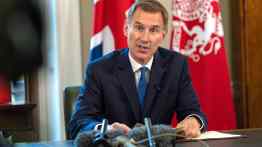
Jeremy Hunt set out at the start of the weekend with one goal in mind: that when the gilt markets reopened on Monday, the cost of government borrowing would not surge further. Ideally, it would start to fall. In this sense, it’s been a successful day for the new Chancellor. The Treasury's early morning update that a major fiscal announcement was about to be announced saw gilt yields start to drop when markets opened at 8 a.m. After Hunt’s overhaul of the mini-Budget – including the surprising decision to suspend the 1p cut to the basic rate of tax ‘indefinitely’ – they fell even further. After starting the day at almost 4.5 per cent, the five-year gilt yield is ending the day just below 4 per cent.

Trussonomics is dead

18 min listen

Chancellor Jeremy Hunt gave a statement this morning in which he outlined plans to scrap 'almost all' the tax measures announced by his predecessor, Kwasi Kwarteng just four weeks ago. In one of the largest U-turns in history, the markets have become the most important force in British politics.James Forsyth, Katy Balls, Kate Andrews and Fraser Nelson discuss what may happen over the next few weeks.Produced by Max Jeffery and Natasha Feroze.

Trussonomics is dead

When Jeremy Hunt took the role of chancellor last week, he was thought to have done it under instructions from Liz Truss that he was not to roll back any more of the mini-Budget. That instruction hasn’t stuck. Today’s update on the ‘medium-term fiscal statement’ was not so much a detailed plan to balance the books (that’s still to come on 31 October), but rather a reversal of almost all of the mini-Budget rolled out by Liz Truss and former chancellor Kwasi Kwarteng last month. The plan to bring forward a 1p cut to the basic rate of income tax has been scrapped completely. It was thought that Hunt would return to the timeline Boris Johnson’s government had originally laid out, to come in from 2024.

It’s not easy to regain market trust

The government’s position has become so precarious – and its credibility with the markets so low – that even waiting another two weeks to announce the ‘medium term fiscal statement’ became too big a gamble. By moving the announcement forward to today, Jeremy Hunt is removing the uncertainty of creating a two-week gap between the end of the Bank of England’s intervention in the gilt market and the government’s announcements. And markets are tentatively responding well. Ten-year gilt yields started dropping considerably when the market opened at 8 a.m., from 4.3 per cent down to just under 4.1 per cent. You can follow along with hourly updates via The Spectator’s data tracker here.

The Chancellor could take the tax burden even higher

This morning on the media round, Jeremy Hunt followed in the footsteps of Tory chancellors before him warning about the ‘very difficult decisions’ that lie ahead. The new chancellor’s language and tone could easily be compared to George Osborne after the financial crisis, explaining to the country why government spending needed to be curbed. Or to Rishi Sunak, towards the end of the crisis stage of the pandemic, who was constantly reminding MPs and the public about the ‘difficult times ahead’ due to the fallout from economic shutdowns and unprecedented peacetime spending. The crucial difference, however, is that this new talk of spending cuts and higher taxes is in response to a crisis of the government’s own making.

Is there anything left of Trussonomics?

After two major U-turns over last month’s mini-Budget and the sacking of a chancellor, what’s left of Liz Truss’s economic agenda? Parts of it remain intact. But it’s now shaping up to be significantly different from what the Prime Minister intended when she entered Downing Street. The key assumption behind Trussonomics as it was developed during the leadership race was that the markets would be delighted to lend to the government, on the cheap, to see through its tax-cutting, growth-stimulating agenda. That assumption was quickly killed off after former chancellor Kwasi Kwarteng sat down from presenting his mini-Budget, and the cost paid by governments to borrow began to soar.

Truss sacks Kwarteng. What next?

13 min listen

Prime Minister Liz Truss has sacked her Chancellor Kwasi Kwarteng and replaced him with Jeremy Hunt. By removing her closest ideological ally. Can she save herself? Kate Andrews speaks to Katy Balls and James Forsyth.Produced by Natasha Feroze.