Kate Andrews

Kate Andrews

Kate Andrews is deputy editor of The Spectator’s World edition.

Letter from Taiwan: life in the shadow of ‘The Bully’

From our UK edition

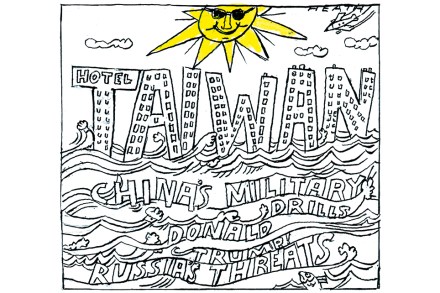
The Grand Hotel sits on the outskirts of Taipei, at the edge of Yangmingshan national park. Overlooking the city, the 14-storey building is designed like a Chinese palace. It was built in the 1950s to host dignitaries when Taiwan was under authoritarian rule. Today it operates as a five-star hotel and is open to tours from the public. Photos of foreign leaders and celebrities who have visited are displayed on the walls: Bill Clinton in 1979; Elizabeth Taylor the same year; Nelson Mandela in 1993. If this were any other hotel, you’d think it was simply boasting about its clientele. But there is something far more poignant about this display – it is proof that Taiwan has been recognised informally over the years through the act of important people showing up.
What if Rishi fails to deliver all five pledges?

From our UK edition

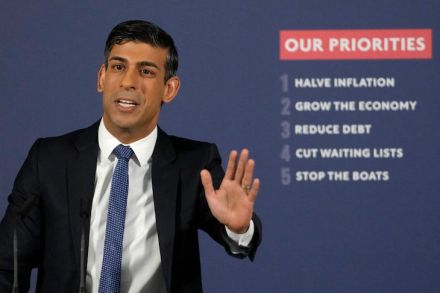
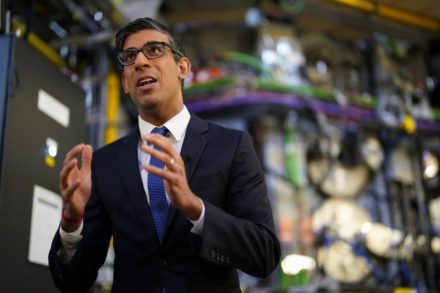
When Rishi Sunak delivered his five key pledges at the start of January, the latest data we had for the inflation rate was for last November. It was up 10.7 per cent on the year, having fallen from a peak of 11.1 per cent the month before. Everyone thought this was the start of a fast and spectacular fall, with virtually all forecasts showing a welcome decline in the rate of inflation. Off the back of those forecasts, the Prime Minister oozed confidence when he promised to ‘halve inflation’ by the end of this year. Speaking to an audience in Stratford, Sunak promised that an ‘ease’ to the cost-of-living crisis and greater ‘financial security’ was on its way.

What will boost growth?

From our UK edition

11 min listen

The UK economy grew by 0.1 per cent in the first quarter of this year. Jeremy Hunt said that the government needed to 'stay focused on competitive taxes, labour supply and productivity.' Is that enough to improve growth? Natasha Feroze speaks to Katy Balls and Kate Andrews.

Shrinking GDP shows how stagnant the economy has become

From our UK edition

The UK economy shrank by 0.3 per cent in March, as ongoing strike action continued to take its toll. But the fall wasn’t enough to push the UK into recession territory, as the Office for National Statistics announced this morning that the economy grew by 0.1 per cent in the first three months of the year. This was thanks to stronger-than-expected growth in January (which was then followed by zero growth in February). Do today’s updates paint an optimistic or pessimistic picture for the UK economy? While the risk of entering formal recession has been dodged once again, today’s news highlights just how stagnant the UK economy has become. We are years on from the peak of the Covid crisis now, yet quarterly GDP is still 0.

Can Kemi brush off the Brexiteers on EU law?

From our UK edition

11 min listen

Will Kemi Badenoch, the business and trade secretary, lose her supporters in the ERG, after the government confirmed that it would be going back on its pledge to remove all EU legislation from UK law by the end of 2023? James Heale speaks to Katy Balls and Kate Andrews.

Why interest rates continue to rise

From our UK edition

The Bank of England has hiked interest rates again, taking the base rate from 4.25 per cent to 4.5 per cent. This is the 12th consecutive rise, voted for 7-2 by the Bank's Monetary Policy Committee (MPC). It takes rates to their highest level since 2008. The Bank had hoped it could stop raising interest rates months ago. It would require evidence of ‘persistent pressures’ on prices for them to keep hiking the base rate, the MPC said in February. But since then, we’ve had two more rate rises: one in March, which took the base rate from 4 per cent to 4.25 per cent. And another today. So when will interest rates settle down? The narrative from the Bank is largely unchanged.

Another rate rise from the Fed. Is it enough?

From our UK edition

Will the Bank of England raise interest rates again? We'll know for sure next Thursday, when we get the Monetary Policy Committee's next announcement on the base rate, but today’s decision from the Federal Reserve to hike rates again makes it more likely that the Bank will follow suit. The Fed has announced another interest rate hike: a quarter of a percentage point, taking the rate to 5 – 5.25 per cent. This tenth consecutive hike in the United States has taken its key interest rate to the highest level since 2007 – approximately where rates sat before the financial crisis hit.  This has caused plenty of controversy across the pond, as fears grow that further hikes risk tipping the US economy into recession.

Did the Tories ‘kill the dream of homeownership’?

From our UK edition

11 min listen

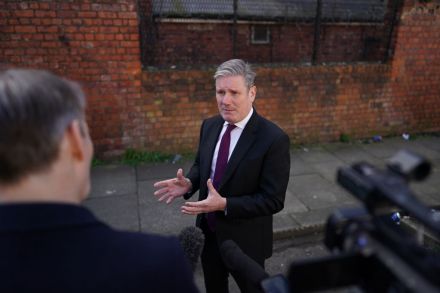
In today's Prime Minister's Questions, Keir Starmer accused the Prime Minister and his party of having 'killed the dream of homeownership'. With news this week that Rishi Sunak is considering reintroducing 'Help to Buy' while Michael Gove is sued for blocking a new housing development in Kent, does Starmer actually have a point? Katy Balls talks to Kate Andrews and Fraser Nelson. Produced by Cindy Yu.

Reviving ‘Help to Buy’ would be disastrous for the housing crisis

From our UK edition

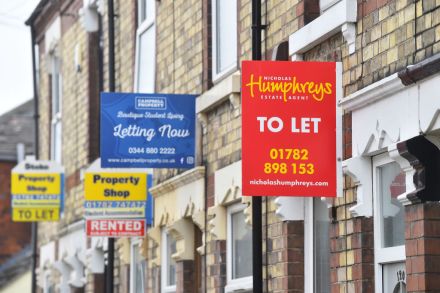
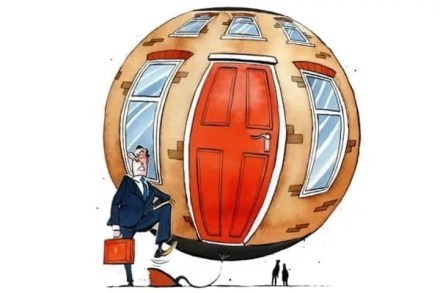
It’s hard to imagine the housing crisis getting much worse. But according to the front page of today’s Times, the prospect of buying one’s first home may get pushed even further out of reach. According to the newspaper, officials in No.10 and the Treasury are working on plans to revive ‘Help to Buy’. This was the supposedly ‘affordable’ housing scheme which enabled first-time buyers to purchase a property with a 5 per cent deposit and access an equity loan from the government worth up to 40 per cent of the property, paid back interest-free for five years.

The Tories’ war on gambling is a win for the nanny state

From our UK edition

The four-times delayed gambling white paper has finally surfaced – and it's another win for nanny state enthusiasts.  The paper is set to usher in huge breaches in privacy at a relatively low threshold. The overhaul of gambling legislation will be centred around ‘financial vulnerability checks’ as highlighted by Culture Secretary Lucy Frazer in the Times today: anyone who loses more than £125 within a month will face a bankruptcy check. On top of this, anyone who loses £1,000 in a day or £2,000 in 90 days could see a bank probe into their income.  What exactly is the point of the Tory party if it’s going to cave to moral panic? Moreover, legal activity is now being carved up into different brackets for adults.

Is Keir Starmer soft on crime?

From our UK edition

14 min listen

Prime Minister's Questions was a punchy affair today. Rishi Sunak fought back against accusations that the Conservatives have failed on tackling crime, calling Keir Starmer 'Sir Softy' to turn the attack back around on Starmer, for his track record as the Director of Public Prosecutions. But was it an effective attack? Cindy Yu talks to Katy Balls and Kate Andrews. Produced by Cindy Yu.

Stubborn inflation rates spell trouble for Rishi Sunak

From our UK edition

The rate of inflation has come down, barely. This morning’s update from the Office for National Statistics shows inflation fell to 10.1 per cent on the year in March, down from 10.4 per cent in February. The rate remains in the double digits, where it has hovered since September 2022. Today's update takes the rate back down only to where it was in January.  A trend has emerged with inflation data in the UK. As predicted across the board, energy prices are falling at significant pace, with the largest ‘downward contributions’ in March coming from a drop in motor fuel prices – which fell by 5.9 per cent in the year to March 2023, compared with a rise of 4.6 per cent in February. But these price drops are being offset by a rise in domestic costs.

What will happen to interest rates once they peak?

From our UK edition

As the battle of the economic forecasts rages on, it’s useful to note that (right now, anyway), the predictions aren’t all that different. The more optimistic scenarios, like the one published by EY ITEM Club today, suggest the UK will see minuscule growth this year but avoid technical recession. The pessimistic scenarios, like the IMF’s latest forecast, are being revised upwards but still show the UK economy experiencing a short and shallow contraction.  The good and bad scenarios are, therefore, both largely within the margin of error –  and all are pretty lousy at that (albeit better than previously expected). Regardless of which proves right, this is shaping up to be another difficult year for economic growth: one that leaves us all feeling a bit worse off.

What junior doctors really earn

From our UK edition

16 min listen

Striking junior doctors are demanding a 35 per cent pay rise. Is that realistic? And are junior doctors really underpaid? Lucy Dunn is joined by economics editor Kate Andrews and Spectator contributor James Kirkup.

The strikes are taking their toll on UK growth

From our UK edition

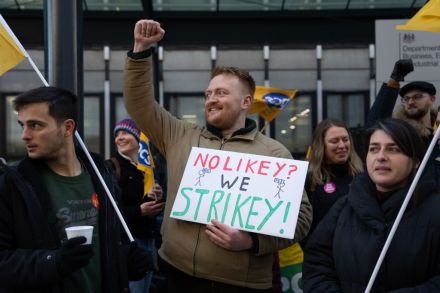
February was a no-growth month, according to the latest update from the Office for National Statistics, published this morning. A rise in construction was offset by a fall in services, resulting in zero headline growth. The strikes are taking their toll. The biggest contribution to the fall in services came from education and public administration, as striking teachers downed tools. Education fell by 1.7 per cent. Meanwhile public administration fell by 1.1 per cent, as ‘this industry also saw industrial action take place within the civil service during February 2023.’ An optimist might note that while the strikes offset economic activity in other sectors, at least there was some growth to point to: monthly construction figures had a comeback, registering a 2.

What junior doctors really earn

From our UK edition

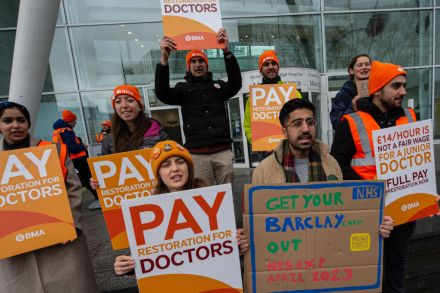
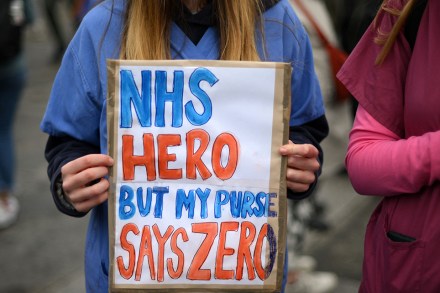
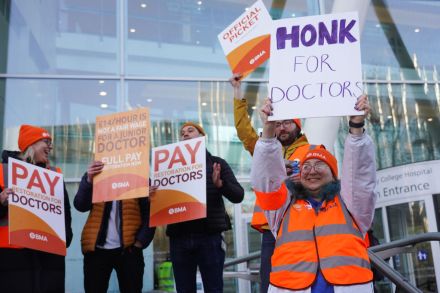
How much money do junior doctors really earn? If you’ve been listening to the British Medical Association – the trade union which represents junior doctors – this week you will have seen comparisons made between their salaries and the wages of Pret A Manger employees. The union talks about members having to ‘cut back on food and heat to pay bills’. To think of notoriously overworked junior doctors in such circumstances is outrageous. But how typical is that scenario of those demanding a 35 per cent pay rise? First-year junior doctors are still some of the better-paid workers in Britain, and this is only the jumping-off point A doctor can be classified as ‘junior’ for years, depending on what type of medicine they practise.

Biden needs Trump

From our UK edition

As Joe Biden tours Northern Ireland this week to mark the 25-year anniversary of the ​​Good Friday Agreement, the big question is not what he might say or do while abroad, but rather what he will decide to do back at home. Will he be running for president again? The question emerged after Biden told NBC over the long weekend that he has ‘plans’ to run again, though he won’t be formally announcing anything yet. These hints have been dropping for months, from both Biden and his wife. But others are more sceptical. The simple fact of his age – Biden is the oldest president in American history – and the pressures of the job are clearly taking a toll on him. Is he really ready to commit to another four-year term?

Will public support for junior doctors wane?

From our UK edition

18 min listen

On the day that junior doctors begin a four-day strike over pay and working conditions, Lucy Dunn, The Spectator's social media editor and qualified doctor speaks to Kate Andrews and Fraser Nelson. Will public support for the strikes turn if patient safety is put at risk? Also on the podcast, Kate takes a look at the latest IMF forecast for the UK.

For once, there’s a battle of ideas happening in the Tory party

From our UK edition

Yesterday’s announcement that the UK has joined the Comprehensive and Progressive Trans-Pacific Partnership brought with it a unique sense of unity within the Conservative party, with very different Tory factions praising the new trade bloc. But yesterday is behind us. Now it’s back to business as usual. Today ushers in the corporation tax hikes that Rishi Sunak first announced as chancellor back in 2021. The rise – from 19 per cent to 25 per cent for the largest companies – is, if anything, more divisive today than it was two years ago, as the decision was fiercely debated during the leadership election last year and then scrapped by Liz Truss – only to be reinstated weeks later by now-chancellor Jeremy Hunt.

Joining CPTPP shows Britain is finally seizing the benefits of Brexit

From our UK edition

Even the most ardent Brexiteers would likely admit that the UK has been slow to embrace one of the biggest benefits of leaving the European Union: the quick and nimble pursuit of trade deals. There are understandable reasons for the delay. It made sense for trade secretaries to start with the bi-lateral deals which could be copy-pasted from the arrangements we had in the EU. The first bespoke deal with Australia took time (albeit perhaps didn’t need so many concessions) as it was intended to be a framework that could be used to strike future deals with new countries. But the UK’s biggest trade win to date may be just around the corner.