Karima Khalil

Messages from Tahrir Square, part 3

From our UK edition

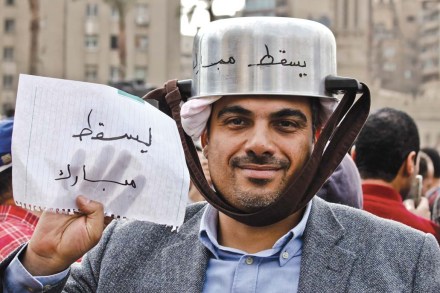
Here is the final installment of Karima Khalil's photo-history of the Egyptian revolution, Messages from Tahrir. You can read the previous two posts here and here. IMAGE 9: (Photo credit Beshoy Fayze) Protesters protected themselves with whatever came to hand; this man fashioned a makeshift helmet from a cooking pot. He has written “Down with Mubarak” on the pot and on the piece of paper. IMAGE 10: Photo credit Rehab el Dallil The protests released an explosion of creativity; this sign draws on a passport exit stamp, clearly showing what this protester wants the president to do.
Messages from Tahrir Square, part 2

From our UK edition

Here is the second installment of Karima Khalil's photo-history of the recent Egyptian revolution, Messages from Tahrir. You can find the first post here. IMAGE 5 (Photo credit Sherif el Moghazy) Protesters wrote their messages on whatever they could find, many using on their own bodies to convey their frustration, like this determined young man. IMAGE 6: (Photo credit Mariam Soliman) This moving image was taken by 18 year-old Mariam Soliman, who was in her final year of school when she took this picture. IMAGE 7: (Photo credit Omnia Ibrahim) “I beg you, LEAVE” is written on the tape covering this man’s mouth.

Messages from Tahrir: a photo-history of the Egyptian revolution

From our UK edition

Slide 1 (Photo credit: Karima Khalil) When I walked into the some 800,000 strong crowd that was in Tahrir Square on the morning of Saturday January 29th, one of the first things I saw was a man standing quietly, holding a sign with a simple message in Arabic: “I used to be afraid, I became Egyptian.” I looked around me and saw hundreds of signs bravely held by people of all ages and backgrounds, made from whatever they could find: paper, cardboard, wood, fabric, balloons, and even shoes. This man’s simple yet profound message neatly sums up the decades of repression Egyptians endured under Hosni Mubarak’s autocratic rule and the newly-found pride we felt at expressing our outrage at last.