Karan Thapar

Karan Thapar is an award-winning Indian journalist

The world is finally standing up for Aung San Suu Kyi

From our UK edition

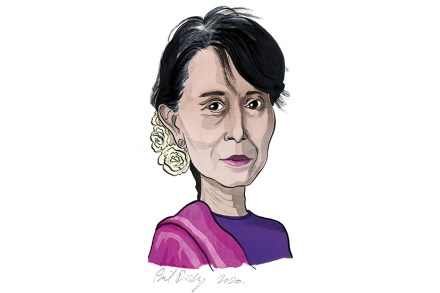
It may be an impossible task to restore Aung San Suu Kyi’s reputation, but Burma’s generals have made a sterling effort this week, after they sentenced her to at least two years in jail. This time last year Suu Kyi, a former Nobel peace prize winner, was a fallen icon. Her lack of sympathy and concern for the plight of Rohingyas in her country and, worse, her defence of the army’s brutal repression and massacres of them (she even appeared on the army’s behalf at the International Court of Justice in the Hague) had disillusioned her admirers.
My love for old Kabul

From our UK edition

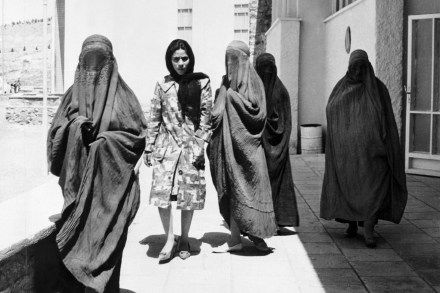
They say the city you most fondly remember is the one you grew up in. In my case that’s Kabul. I spent my formative years in the Afghan capital in the mid-1960s. It was a very different time and Afghanistan a very different country. But the Kabul that’s imprinted on my mind belongs to that decade. It was a happy city. No other description does it justice. Of course, it was poor, conservative and hierarchical but people were always smiling. They were warm, welcoming, courteous and generous. This was most obvious in their attitude to children. Everyone called me ‘bacho’. When Mummy took me out, shopkeepers would slip Hershey’s chocolates or spearmint gum into my hands and then seal my lips with their fingers.

The Lady I knew: Aung San Suu Kyi’s tragedy

From our UK edition

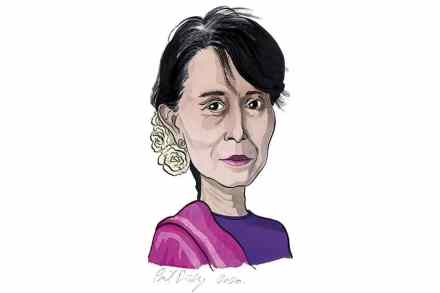
Shakespeare’s tragedies have heroes but they are not heroic. As the plays unfold you witness their crumbling. In fact, they destroy themselves because the flaw is embedded deep in their character. It’s an inevitable and irresistible process. It’s an outcome that cannot be prevented. That’s why it’s tragic. I think that could also be true of Aung San Suu Kyi. I’ve known her since I was five. At the time, her mother was the Burmese Ambassador in India, and Suu, as I have always called her, was an undergraduate at Delhi’s Lady Shri Ram College. Our parents became friends and Suu and my sister Kiran would often drive together to college. Even as a teenager, Suu was drawn to politics.

Is Imran Khan Pakistan’s prime minister or a puppet?

From our UK edition

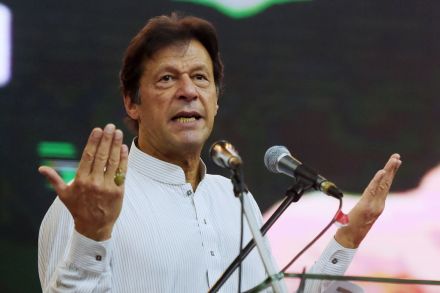
When Pakistan's prime minister Imran Khan handed the country’s army chief, general Qamar Javed Bajwa, a three-year extension on Monday, press reports didn't tell the full story. The true picture is very revealing of Khan’s own position and shows how his views have changed dramatically. To start with, this was no simple extension for a man appointed to Pakistan's most powerful position. That would suggest Bajwa's term of office had been increased by a limited period. In fact, general Bajwa was given a full second term. The official notification from the prime minister’s office makes this clear: “Gen. Qamar Javed Bajwa is appointed Chief of Army Staff for another term of three years from the date of completion of current tenure”.