Justin Doherty

NatWest, Farage and the decline of corporate behaviour

From our UK edition

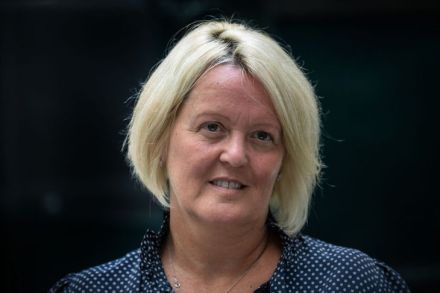
The story of NatWest Group’s rogue behaviour goes far deeper than Nigel Farage. It now emerges that many more customers have been de-banked, had their lives turned upside down, and businesses destroyed as a result of a rogue and rotten culture affecting the financial system. Take Baz Melia, army veteran and decorated war hero. The consulting business he started upon leaving the military could not function after NatWest closed his account. They wouldn’t tell him why and his paid work dried up as result. Or Alexandra Tolstoy, a single mother of three, whose only crime appears to be guilt by association with a former partner from Russia.   Debanking can destroy lives None of these people, or indeed the many others, ever had a chance to defend themselves.
Coutts’ reputation committee has destroyed its own reputation 

From our UK edition

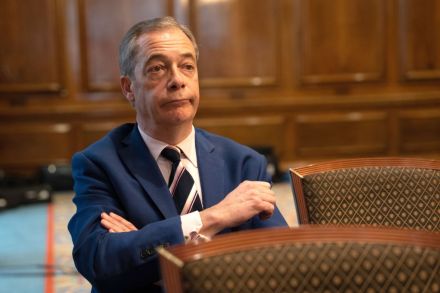
Nigel Farage has been cancelled by his bank because their reputation risk committee doesn’t approve of his political views and has branded him a ‘chancer’ and ‘grifter’. This matters to him because, having been cancelled by one bank, it is almost impossible to get an account with another – you are obliged upon opening a new account to reveal if you have ever been turned down or thrown out of a bank before.  Reputation risk has become all the rage in recent years as companies, governments and individuals scramble to protect themselves from the fate suffered by trial by media and powerful regulators.

Why taking cold showers could help Ukraine

From our UK edition

I found myself in Berlin at the weekend gasping for breath in a cold shower, doing my bit for Ukraine. Berliners are a phlegmatic bunch but the arrival of a European war two hours from their doorstep is triggering memories of much darker periods of conflict and stirring not-so-dormant feelings of solidarity and direct action. Could cold showers be the answer? Last week the German government undid decades of foreign policy, announcing massive investment in German defence spending and sending anti-tank and air defence weapons to Ukraine. Chancellor Olaf Scholz called Putin’s invasion a Zeitenwende, a ‘watershed moment’ as he pledged €100 billion to upgrade German’s defence forces and committed to top the two per cent GDP contribution to NATO.