Julie Myerson

The best way to cope with rejection is to write about it

From our UK edition

With more than a dozen acclaimed novels to her name, not to mention short stories, poetry, a memoir and a Booker nomination, you might think that Michèle Roberts could have counted on being published for life. But as so many ‘established’ authors know painfully well, in that ever-hungry-for-the-new world there’s no such thing as tenure. So when her latest novel elicits a lack-lustre response from her agent before being ‘sweetly’ but flatly turned down by her publisher, a stunned Roberts finds herself processing the humiliation in the only way she knows how — by writing about it. ‘My past successes counted for nothing,’ she mournfully observes: ‘There was only this smashed-up present.

Trouble in paradise | 12 April 2018

From our UK edition

1991, the Harbourfront Literary Festival in Toronto. The novelist Rose Tremain and the South African writer Carolyn Slaughter are enjoying a lobster thermidor and Chablis lunch. Hearing about Slaughter’s abuse at the hands of her father, Tremain finds herself telling her lunch companion about ‘something I never normally discussed with anyone: the lack of love I’d had from my mother and father, and my emotional dependency on Nan’ (a beloved nanny). Slaughter — who is training to be a psychiatrist — responds that ‘any human life, if the childhood is devoid of adult love, will almost certainly be a troubled one’, but reassures Tremain that Nan almost certainly saved her from such a fate. ‘She was your angel,’ Slaughter says.

Babes in the wood

From our UK edition

Mona — single, childless, pushing 60 — sells wooden dolls made by a carpenter friend, which she delicately costumes from odds and ends of fabric sourced in charity shops. But her business has an odd spin-off: mothers who’ve suffered past stillbirths can come and ‘order’ a lump of carved wood made to the specified birthweight of their dead child. By cradling this weight and imagining the future the baby never had, they work towards a kind of closure. Meanwhile, Mona herself — who grew up in Ireland but lived in Birmingham through the IRA bombings — has a tragedy of her own on which she has little or no closure.

High priestess of horror

From our UK edition

A film critic friend, astonished that I had never heard of Shirley Jackson, told me to go and read her immediately. That was ten years ago and she has since become one of a handful of talismanic writers I reach for when craving literary succour. An undisputed master of the gothic and the uncanny— We Have Always Lived in the Castle and Hangsaman are both masterclasses in the unearthly and the opaque — she plumbs domestic and familial horror in a way which manages to be both universal and chillingly particular. She is also, in Britain anyway, still ridiculously underrated, even unknown. This new biography by the New Yorker critic Ruth Franklin, therefore, could not be more welcome or timely.

The ultimate nightmare

From our UK edition

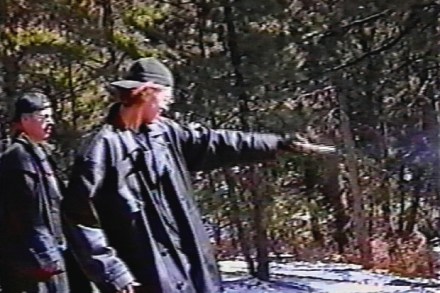
On an April morning in 1999, two teenagers, Eric Harris and Dylan Klebold, walked into Columbine High School in Colorado and murdered 12 fellow students and a teacher, wounded many others, then turned their guns on themselves. Among the many questions fired at Klebold’s stunned parents in the wake of this appalling event, two were especially hard for them to hear. Did they ever hug their kids? And — this from one of the many bereaved — ‘Were you a family that ever spent much time at the dinner table together?’ When brutal and frightening things happen, people want brutal and frightening explanations: the need for causality becomes paramount. If this family bred a monster, then they must have done something monstrous.