Joshi Herrmann

American progressives couldn’t be bothered to protest when it mattered

From our UK edition

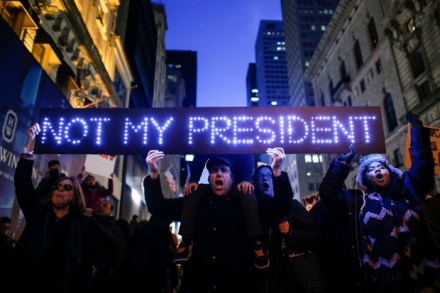
It wasn’t long after Donald Trump had appeared on election night to thank his supporters for delivering him an extraordinary victory when the first reports emerged of protests on the West Coast. Videos showed students at UC Berkeley and elsewhere marching through their campuses, chanting expletives about Trump. The next day, as Hillary Clinton conceded defeat, more organised marches began in New York, Los Angeles and Chicago. #NotMyPresident was the rallying cry and the hashtag. Trump Tower, the site of unthreatening mini-protests throughout the campaign, was now targeted by much bigger demos. The NYPD soon shut off the entire block.
JFK airport’s terror scare felt like a metaphor for modern America

From our UK edition

I was crammed into the narrow cupboard of the Alitalia Business Class lounge at John F. Kennedy airport, along with a young school teacher from Brighton, nervous almost to the point of tears, a middle-aged couple from the Midlands and a stoic model from Brooklyn. Outside, in the shadow of the Boeing 787 Dreamliner we were supposed to have boarded by now, hundreds of people thought that a terrorist gunman was on the loose. Police cars came and went at speed. One moment everyone was filing leftwards, shepherded by guards. Then there was a panic, and people sprinted the other way, out towards the dark runways in the distance. Others lay on the ground on the instruction of the police, and some took cover behind vans. https://www.youtube.com/watch?

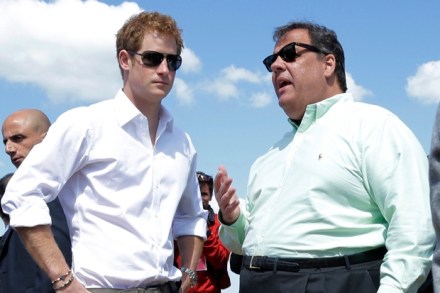
Was Britain banking on a Chris Christie presidency?

From our UK edition

A fun game for football fans involves trying to recall players who were earmarked as future Premier League stars and fell hilariously short. There was a balletic Manchester City midfielder - I can't remember his name - who was slated as a future England captain, only to be photographed by fans eating a takeaway a few years later, bloated and out of work. You can play the same game with this year's presidential election. Diplomats posted to the US make it their business to work out which big beasts of American politics are most likely to become president years in the future, like football pundits predicting England teams but with slightly more riding on it. They call it 'talent spotting.

The anti-Clinton protest dwarfed the anti-Trump one. What does that tell us?

From our UK edition

There are certain things about political conventions you only notice when you are watching on TV - like Bill Clinton seeming to fall asleep momentarily during his wife’s speech last night. And there are things you only notice when you go along to conventions and spend your afternoons out on the street, under the hot sun, waiting for something to happen. Any of the journalists working in Cleveland and Philadelphia in the past fortnight had a curious thing to relate: lots of things happened on the streets of Philly, and almost nothing happened in Ohio. Before we leave behind the conventions and head into three months of stage-managed swing state rallies, it's worth asking why that was.

The hidden price of more overseas students at British public schools

From our UK edition

Just a decade or so ago, most public‑school-educated parents felt obliged to give their children the same start in life they themselves were given — selling off heirlooms to send their Jacks and Henriettas off to Eton, Stowe, Cheltenham Ladies or St Paul’s. These days the price is just too high, says Andrew Halls, head of King’s College School in Wimbledon, and he’s been honest enough to name the cause: the hordes of prospective parents from other countries, oligarchs and oil men, all jostling for places for their progeny. They push the price of an elite ‘British’ education up beyond the reach of any ordinary Brit.