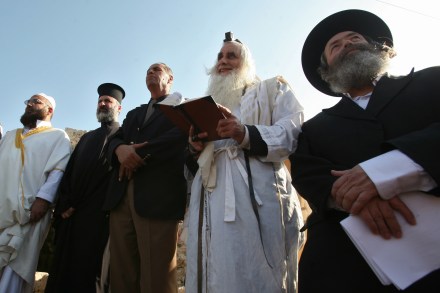
Jonathan Sacks

Jonathan Sacks: morality is not optional

Rabbi Jonathan Sacks, who died on Saturday at the age of 72, was a modern Maimonides, a guide to the perplexed in an age of spiritual confusion and moral dissolution. A philosophy student before he entered the rabbinate, Sacks combined the legacies of Athens and Jerusalem and became the leading public intellectual and ethicist of our time. A source of pride to Britain’s small and sometimes beleaguered Jewish community, Sacks did not just work to improve the moral state of the Jewish people and defend the state of Israel. Adeptly linking the particular to the universal, he defended the religious conscience, and identified the common ground through which interfaith negotiations have transformed Jewish-Christian relations.
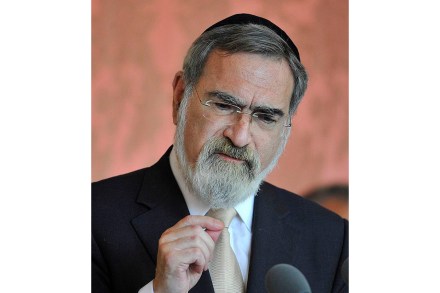
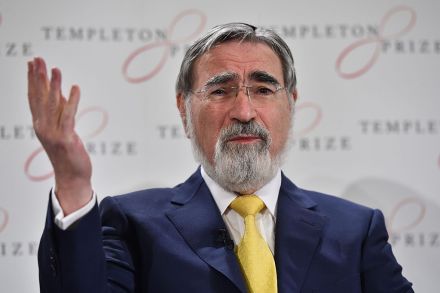
jonathan sacks

Rabbi Lord Jonathan Sacks: 1948-2020

From our UK edition

The former chief rabbi, Lord Jonathan Sacks, died yesterday at the age of 72. In an article for The Spectator, republished here, he wrote about the need for less 'I' and more 'we': Last Monday night and Tuesday were our Jewish festival of Purim, when we recall the events described in the Book of Esther. It is the oddest of all festivals. There is rejoicing, which starts a fortnight before at the beginning of the Jewish month of Adar. There’s a celebratory meal on the day itself. We send charitable gifts to the poor and presents to friends. There’s riotous noise during the reading of Esther whenever the name of the arch-villain Haman is mentioned.

We are living in an age of cultural climate change

A free society is a moral achievement. Over the past 50 years in the West this truth has been forgotten, ignored or denied. That is why today liberal democracy is at risk. Societal freedom cannot be sustained by market economics and liberal democratic politics alone. It needs a third element: morality, a concern for the welfare of others, an active commitment to justice and compassion, a willingness to ask not just what is good for me but what is good for ‘all of us together’. It is about ‘Us’, not ‘Me’; about ‘We’, not I’.

climate

Jonathan Sacks: Joy is the Jewish way of defeating hate

From our UK edition

Last Monday night and Tuesday were our Jewish festival of Purim, when we recall the events described in the Book of Esther. It is the oddest of all festivals. There is rejoicing, which starts a fortnight before at the beginning of the Jewish month of Adar. There’s a celebratory meal on the day itself. We send charitable gifts to the poor and presents to friends. There’s riotous noise during the reading of Esther whenever the name of the arch-villain Haman is mentioned. And it’s the one day in the year when it’s considered a religious duty to drink slightly too much alcohol.