Jonathan Morrison

Jonathan Morrison is the architecture correspondent of The Times and the author of How to Build a Space Station

When did British architecture become so boring?

From our UK edition

Nowadays, no one takes much interest in the Stirling Prize. But there was a time when the award, the winner of which will be announced this week, was front page news. That time was October 2004. One Saturday evening, at eight o’ clock on the 16th day of the month, Channel 4 went live to Old Billingsgate in the City of London for the announcement of Britain’s best new building. The favourite was Norman Foster’s curvaceous skyscraper at 30 St Mary Axe, already known to everyone as the Gherkin. The competition included Daniel Libeskind’s angular Imperial War Museum North, Peter Cook’s eccentric Kunsthaus Graz and Ian Ritchie’s elegant Spire of Dublin. Some 1.2 million viewers tuned in to watch. Bookmakers were taking bets.
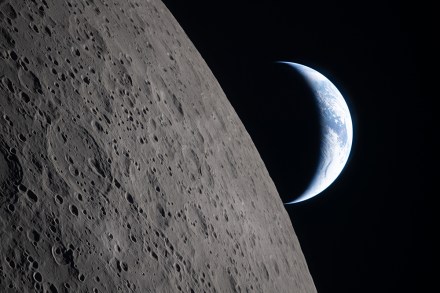
What will life look like on the Moon?

Space is back in the news. Whether it’s Donald Trump unveiling Space Force uniforms inspired by Starship Troopers, the SpaceX flotation that made Elon Musk the world’s first trillionaire (for a whole 12 days), or NASA’s Artemis II, which carried four astronauts around the Moon in April – the final frontier suddenly feels fashionable once more. Not that jackboots ever really went out of fashion. The next few years will see even bigger milestones in mankind’s journey towards the stars: Artemis IV will land astronauts at the Moon’s south pole in 2028, for the first time since 1972; China plans to follow suit before 2030; new privately owned space stations such as Vast’s Haven-2 and Axiom are due to start replacing the ageing International Space Station at about the same time.