John O’Connell

John O’Connell is chief executive of the TaxPayers’ Alliance.

GDP per capita is the fairest way to decide pay rises for MPs

From our UK edition

Hiking MPs’ pay is very much in vogue among certain sections of the SW1 chattering classes. The argument runs like this: politics suffers from a talent problem, parliament is packed with mediocrities. If MPs were paid more, they say, Britain might attract a higher calibre of candidate – the sort typically found in the private sector – who, while more expensive, would ultimately deliver better results for the country. It is an argument with surface-level appeal. Politics is demanding, often thankless, and MPs’ pay has not kept pace with comparable senior roles elsewhere. But before rushing to sign off on higher salaries for politicians, taxpayers are entitled to ask a far more basic question: paid for what, exactly?

Please, Rachel Reeves, define ‘austerity’

From our UK edition

What is a working person? This is the question Keir Starmer and other members of his Cabinet struggled to answer over the past week or so. Labour’s flip-flopping is in many ways emblematic of the clash between political rhetoric and fiscal reality. And there is another term that is probably much harder to define, one that has dominated the conversation about the public finances over the last 14 years. That word is austerity. It has been a convenient catch-all for critics of the coalition’s attempt at fiscal retrenchment, and arguably subsequent Conservative fiscal policy. But with Labour about to announce its first Budget in 14 years under somewhat gloomy circumstances, they may find it difficult to avoid being tarred with that brush.

Stonewall and the problem with taxpayer funded campaigning

From our UK edition

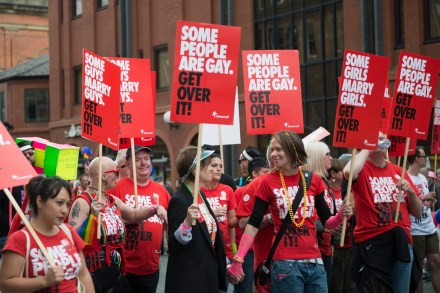
Liz Truss, the minister for women and equalities, is reportedly keen to see government departments withdraw from Stonewall’s ‘Diversity Champions’ programme. The scheme, which around 250 departments and public bodies have signed up to, sees quangos and other public sector bodies pay for guidance on issues such as gender-neutral toilets, pronouns, and transgender inclusion. Debates rage about the efficacy – or even legitimacy – of such programmes. But underpinning that discourse is the fact that huge sums of taxpayers’ money have been handed over to what are undoubtedly controversial campaigns.