John Healey

Why I’m resigning as Defence Secretary

From our UK edition

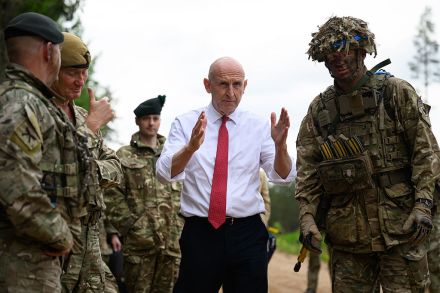
John Healey has resigned as Secretary of State for Defence over the government’s failure to properly fund the armed forces as part of its defence investment plan. Below is his letter to the Prime Minister explaining his decision. This is a letter I never expected to write, and I do so now with great regret and reluctance. I am proud of what we have done in less than two years as a Labour government. We've stepped up to lead internationally for Ukraine with the Coalition of the Willing and Ukraine Defence Contact Group, established Britain as a leading voice for Europe in Nato, raised defence investment to 2.
Labour must make home ownership its priority

From our UK edition

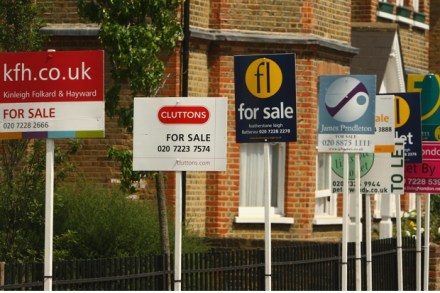
Housing is now the biggest domestic public policy failure since the Second World War. A broken market that doesn’t meet the needs of middle income households, rising prices that see little response in supply of new homes and, if we’re honest, politicians who seem incapable of making a difference. The starkest mismatch between supply and demand is in home-ownership. Most people want to own their own home, but the number able to do so is in freefall – with young people hit hardest of all. New figures that I release today show that the number of home-owning households headed by under 35s has fallen by over a quarter of a million since 2010. This affects young people across all social classes.

How parliament is failing to hold the EU to account

From our UK edition

Today MPs hold a short Commons debate on the proposed transatlantic trade and investment partnership – TTIP. As a pan-EU trade deal with the US it is being negotiated by the European Commission, with a mandate and direction from member state governments including our own. Despite the fierce extra-parliamentary debate the planned deal has provoked, this will be only the third time in the 18 months since negotiations started when there will be any debate at all in the House of Commons chamber. In total, the three debates will amount to less than one day’s full business on a binding treaty that could have wide-ranging effects on our national economy from aerospace to agriculture, metals to motor vehicles and public services to pharmaceuticals.