Jay Bhattacharya

Jay Bhattacharya is a professor of medicine at Stanford and research associate at the National Bureau of Economic Research.

Defending science from ‘cancel culture’

From our UK edition

27 min listen

Freedom of speech is one of the fundamental tenets of a liberal democracy, and yet threats to freedom of speech today don’t so much come from authoritarians abroad as they do from within. The idea of ‘no-platforming’ those you disagree with, or ‘cancelling’ them, has taken root in all forms of public debate, and increasingly so in science. The word ‘science’ can today often be a shorthand for ‘truth’, which creates an orthodoxy where diversity of opinion is not welcomed. Science is meant to be ongoing process of finding truth, where what each generation takes as given may well be overturned as we discover more. On this podcast, we will be looking into the question of free speech within science, and asking whether we have lost sight of what science means.
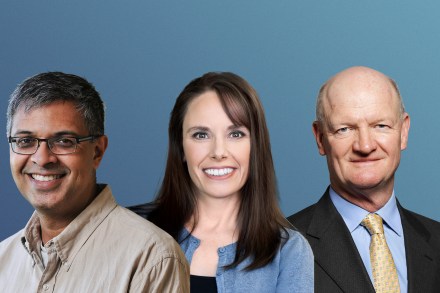
Dr Jay Bhattacharya: questioning lockdowns, the Twitter files and how censorship kills

From our UK edition

52 min listen

Winston speaks with Stanford University professor, physician, epidemiologist, health economist and public health policy expert, Dr Jay Bhattacharya. They discuss the history of the Great Barrington Declaration which he co-authored, advocating against lockdowns, and its censorship by Big Tech and at Stanford. He tells Winston about meeting Elon Musk at Twitter HQ, how censorship kills and why public health lies undermine trust.

The case for sending vaccines to India

From our UK edition

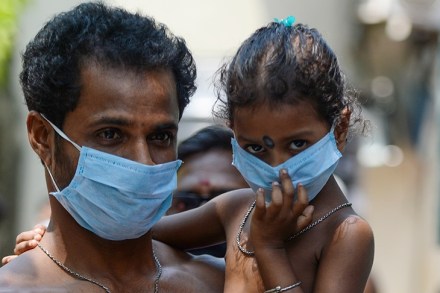
Hospitals in Delhi are openly pleading for supplies of medical oxygen, a commodity so scarce that it is now being sold on the black market for almost ten times the normal cost. Makeshift crematoria are being set up around the city to cope with the surge in the number of deaths. Richer countries are asking why India, with 20 million Covid cases now recorded, is so reluctant to lock down again. It is a good question. The answer lies in the disastrous effects of lockdown for so much of India’s population. Closing any society has serious consequences, but the results were always going to be worse in the developing world. I have been watching the pandemic unfold in India from Stanford University, where I’m a professor of medicine.

It’s time for an alternative to lockdown

From our UK edition

As France and Germany lock down again – and as Britain considers whether to follow suit – many people will be wondering: can’t we think of a better way to handle this pandemic? No one is in any doubt about the threat posed by the Coronavirus. But nor should there be any doubt about the harm posed by lockdown: the mental health, the economic destitution, the deep damage inflicted on families, communities and societies. Perhaps the worst of it is the idea that, when lockdown ends, the virus resumes – and you are back where you started. Where is the exit strategy? And where is the assessment of the costs? We should, in moments of crisis, be open to ideas about how best to handle it.