Jason Pack

Jason Pack is host of the Disorder Podcast and author of Libya and the Global Enduring Disorder

What being kidnapped taught me about the struggle for Kurdish independence

From our UK edition

Twenty-one years ago, I was opportunistically kidnapped by supporters of the Kurdistan Workers' Party (PKK). In light of the PKK declaring last month its intention to discontinue its armed struggle against Turkey, I’ve been reflecting back on my involuntary run-in with the struggle for Kurdish self-governance. As with my kidnapping, the Kurdish cause had always been riven by amateurism, not to mention the petty feuds of the rival Kurdish organisations in Turkey, Iraq, Iran, and Syria. Truces, mass casualty events, kidnappings, and negotiations followed each other haphazardly. The struggle was filled with freelancers, bandits, and entrepreneurs. It embodied contradictory approaches to Americans and Western power in the region.

Miliband’s position on Libya is deeply hypocritical

From our UK edition

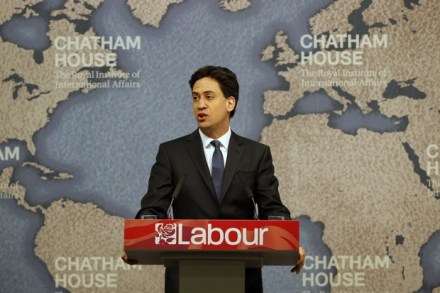
What Ed Miliband lacks in charisma, he is attempting to make up for in polemic. Tragically for the UK's future, this represents an 'Americanization' of British electoral politics. In all likelihood, its origins are David Axelrod cynically taking a page out of the Republicans' playbook. Fortunately, repeated screaming of 'Benghazi' as if it were a primordial voodoo incantation, is unlikely to work on this side of the Atlantic. Speaking at Chatham House on Friday, Miliband sought to pre-empt his critics by laying out a cohesive vision for foreign affairs - usually considered his weakest policy area.

Islamic State will flourish if the West picks sides in Libya

From our UK edition

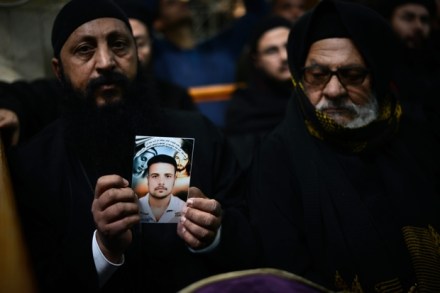
Conventional wisdom suggests that Islamic State and its affiliates have mastered social media. Yet the group's real talent lies in dominating the traditional media cycle and using sensational violence to goad its enemies into overreactions. Hours after Isis released one of its more gruesome videos showing the beheading of 21 Egyptian Coptic Christians on the shores of Sirte, Egyptian fighter jets pummelled several Isis targets in Derna. The Egyptians claim to be fighting the terrorists by propping up General Khalifa Haftar’s anti-Islamist Operation Dignity. However, if the Egyptians want a UN-resolution authorising international military intervention in Libya, this must be resisted.

Plato – slave-owning aristocrat or homosexual mystic?

From our UK edition

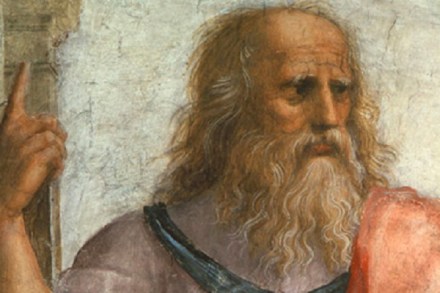
For over two millennia, the writings of Plato had been at the very core of a Western education. Yet  by the dawn of the 21st century, Plato appeared marginalized to the benign pedantry of Classics departments — engagement with his ideas having been spurned by many philosophers and educators over the preceding decades. To many his call to search for truth — and to live according to it — is no longer seen as applicable to our relativistic age. Neel Burton's Plato: Letters to My Son attempts to rescue Plato from irrelevance and guide another generation of readers and leaders along the path of self-knowledge. To understand the thrill of Burton's timely intervention, it is essential to grasp why Plato has fallen out of fashion.

Engagement in Libya was and remains the right answer

From our UK edition

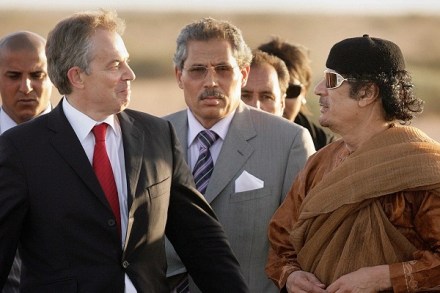
In 2008, I packed my bags to head off to Tripoli, where I began my current vocation of advocating for Western diplomatic, economic, cultural, and humanitarian engagement in Libya. Ethan Chorin was my inspiration. He was the US Foreign Service Officer who wrote the Department of Commerce's commercial guide, which helps American companies operate in Libya. He also wrote a chapter in Dirk Vandewalle's definitive compendium Libya Since 1969: Qadhafi's Revolution Revisited, which brilliantly puts forth the case for the inevitable impact that American business presence would have on promoting political freedom in Libya.