James Scudamore

Street eloquence

From our UK edition

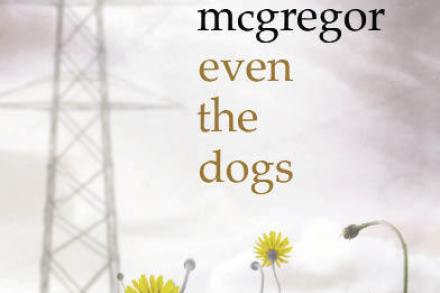
The title of Jon McGregor’s third novel derives from an anecdote told by one of the many vivid, dispossessed characters whose voices burst from its pages: Steve is a homeless ex-soldier who agrees to help deliver a lorry-load of aid to a Bosnian town, but is turned back on the grounds that ‘even the dogs’ there are dead. The title of Jon McGregor’s third novel derives from an anecdote told by one of the many vivid, dispossessed characters whose voices burst from its pages: Steve is a homeless ex-soldier who agrees to help deliver a lorry-load of aid to a Bosnian town, but is turned back on the grounds that ‘even the dogs’ there are dead.
Objects of obsession

From our UK edition

The Museum of Innocence is the sixth novel by Turkey’s most garlanded novelist and his first since he became a Nobel laureate in 2006. The Museum of Innocence is the sixth novel by Turkey’s most garlanded novelist and his first since he became a Nobel laureate in 2006. Pamuk’s unflinching eye on his country’s history has brought him well-documented trouble, but it is in the subtle exploration of how west and east collude and collide there that he excels, notably in the novel My Name Is Red, a bravura extemporisation on art and representation at the Ottoman court of the 16th century, and in the more modern setting of his political thriller, Snow.

Liobams lying with rakunks

From our UK edition

Set in the future, The Year of the Flood tells the story of the build-up to and aftermath of a pandemic known as the Waterless Flood, which all but eradicates the human race. The environment the survivors are left with is extremely inhospitable: Earth’s natural resources are long depleted, and the flora and fauna that remain are made up of genetically spliced, hybrid organisms such as rakunks (rats crossed with skunks), pigoons (hybrid pigs resembling balloons because they’re stuffed with duplicate human transplant organs), and liobams (lions forced not just to lie down with lambs but to integrate with them biologically) — not to mention soydines, chickeanpeas and beananas.