James Rogers

James Rogers is co-founder and director of research at the Council on Geostrategy, a new think tank established to help make Britain, as well as other free and open nations, more united, stronger and greener.

How eastern Europe became a fortress

From our UK edition

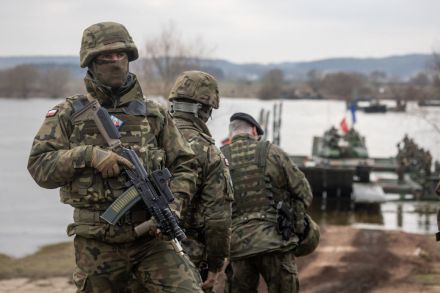
On Tuesday, Rishi Sunak chose Poland to announce that the United Kingdom would boost defence spending to 2.5 per cent of national income by 2030 – leading to a real term increase of over £20 billion over the next six years. The UK is confirming itself as Europe’s military champion, but it could achieve even more by following the Polish, Baltic and Nordic example. Forget Germany’s ‘zeitenwende’, or ‘turning point’; it is Poland and the Baltic and Nordic states which have taken the most extensive measures to deter Russian aggression. Finland and Sweden have joined Nato, something which neither considered necessary even during the height of the Cold War.
In defence of the defence cuts

From our UK edition

For many years, the mainstream story of the British armed forces has been one of cuts and decline. More cuts are to come. Even though the army has not been at its target strength for several years, the Defence Command Paper, released on Monday, commits to reducing the British army’s size by an additional 10,000 troops — around 12 per cent of its operational manpower. But does this necessarily matter? Of course it does. Over the past decade, the British armed forces have been underfunded and stretched to meet the tasks afforded to them by the government. Between 2010 and 2015, defence spending continued to fall in real terms until it fell below the Nato target of 2 per cent of GDP.  Although spending has risen since then, it has not been enough to cure the rot.