James Morris

The ‘Mondeo man’ myth

From our UK edition

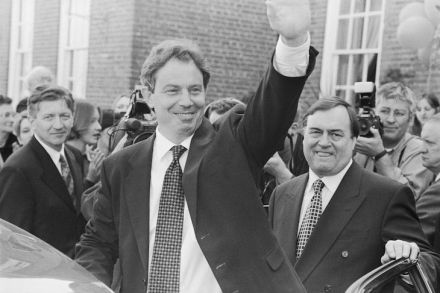
In the run-up to every election, newspapers fill with articles about the handful of voters that will supposedly swing the result – ‘soccer moms’, ‘NASCAR dads’, ‘Worcester women’, even ‘pebbledash people’. Occasionally this analysis is useful. Normally it is not. In the past six UK elections, 84 per cent of demographic groups swung in the same way as the population as a whole. A common trick to make a target group sound like it's worth focusing on is to highlight what is distinctive about them, at the expense of what is important. For example, Guardian readers are more likely to be Labour voters (73 per cent voted Labour in 2017) than Mail readers (17 per cent).
Exclusive poll: Jeremy Corbyn’s message is seen as unclear and incoherent

From our UK edition

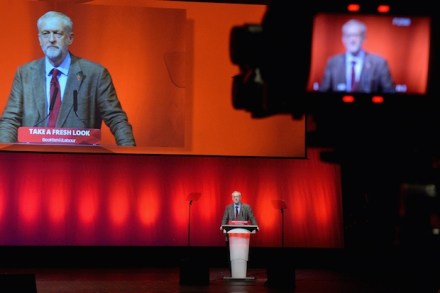
Jeremy Corbyn has a problem: two thirds of voters have no idea what he is saying. In a new poll of 2,372 people, conducted by Greenberg Quinlan Rosner and prior to Corbyn's remarks on the Paris terrorist attacks, 67 per cent say they don’t know or cannot recall what the Labour leader is saying — or that his message is rubbish, incoherent or just the opposite of whatever the Tories say (click to enlarge). Corbyn’s position is even worse for his core audience: the non-voters. Four out of five in this group have no idea what he is talking about.

The Conservatives can become the party of mental health — here’s how

From our UK edition

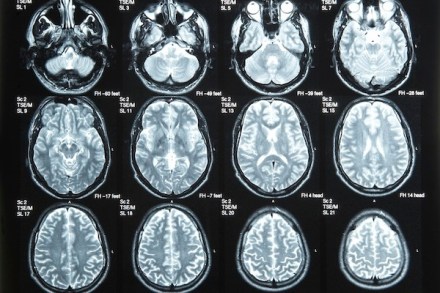
For too long, Westminster has overlooked mental health. It has been languishing in funding obscurity for decades as a forgotten arm of the NHS. But thankfully, there was a shift in priorities during the last Parliament as all political parties woke up to the importance of providing good mental health care. The issue rose so far up the policy agenda that the merits of different types of long-term psychotherapy became the subject of repeated and impassioned debate in the Cabinet Office. All parties have realised that mental ill-health is a problem that affects everyone. Currently one in four people struggle with mental health issues every year and the number is rising at an alarming rate. People with serious mental illness die on average 15-20 years earlier than those without it.