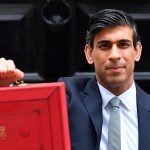
James Forsyth

James Forsyth

James Forsyth is former political editor of The Spectator.

Unopposed: why is Keir Starmer making life so easy for the PM?

From our UK edition

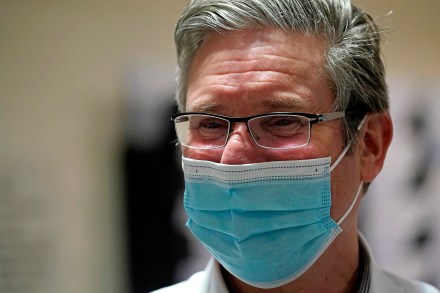
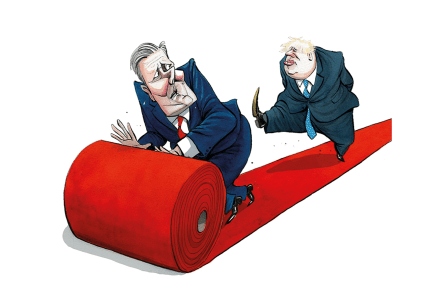
If there is one thing worse than being talked about, it is not being talked about — and this is the fate beginning to befall Keir Starmer. He is at risk of becoming an irrelevance. After not even a year of being Labour leader, Starmer finds his personal ratings on the slide: a YouGov poll this week showed his rating at minus 13, down from plus 22 last summer. Just over half of voters think he doesn’t look like a PM-in-waiting and Labour itself is consistently trailing the Tories in the polls. It’s not clear yet what Starmer stands for, and he is running out of time to make an impression on the public. There is some nervousness about the upcoming Hartlepool by-election despite the fact Hartlepool has never elected a Tory. This is telling.
What’s behind the EU’s vaccine flip flop?

From our UK edition

14 min listen

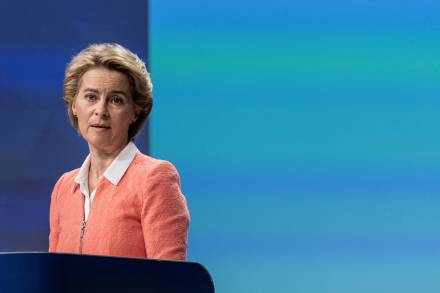
Ursula von der Leyen today said that the EU could block vaccine shipments to the UK if it doesn't export AstraZeneca jabs to the bloc. The Commission's head is under pressure to fix a rollout programme that continues to flounder - just 12 per cent of EU citizens have received a dose compared to 39 per cent in the UK. But why does the continent want vaccines it won't approve? Katy Balls speaks to Fraser Nelson and James Forsyth.

Is Boris being too soft on China?

From our UK edition

11 min listen

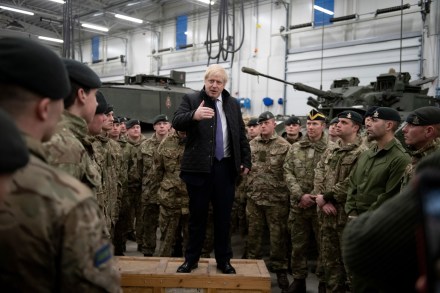
Starting 'a new Cold War on China' would be 'a mistake', Boris Johnson said today as he set out the government's integrated defence review. The military reassessment - the biggest in decades - also outlined plans to lift the UK's cap on the number of nuclear warheads from 180 to 260. Why does the review matter, and is the PM being too soft on China? Isabel Hardman speaks to James Forsyth and Katy Balls.

Will Tories kickback on new police powers?

From our UK edition

12 min listen

Metropolitan Police commissioner Cressida Dick is facing calls to resign after women were forcibly removed from Saturday's vigil for Sarah Everard. It comes as a bill that gives police more powers to crack down on protests will soon come before Parliament. How big will the backbench rebellion be? Katy Balls speaks to James Forsyth and Isabel Hardman.

Boris, Biden and the era of big government

From our UK edition

Bill Clinton’s declaration that ‘the era of big government is over’ summed up the late 1990s political zeitgeist. Centre-left political parties could win if they accepted the small state model bequeathed by the Thatcher-Reagan consensus. Now things feel very different, as I say in the Times today. The stimulus Joe Biden signed into law is huge, $1.9 trillion (£1.4 trillion): three times larger than the financial hole created by Covid. Here there has been nothing as dramatic. But it is still telling that Boris Johnson is insistent that the public finances won’t be brought back into order by ‘austerity cuts'. Big government appears to be back. Politics is going to become very scratchy This isn’t just about Covid ether.

What’s behind the UK’s EU export slump?

From our UK edition

16 min listen

Britain's exports to the EU fell by 40 per cent in January 2021, new figures from the ONS show. Are the numbers a real reflection of post-Brexit trade, or should they be treated with caution? Cindy Yu speaks to James Forsyth and Katy Balls.

Scottish independence isn’t inevitable

From our UK edition

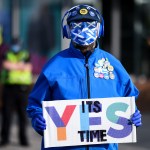
Back in the autumn, every Scottish poll delivered bad news for Unionists. The 'yes' side was consistently ahead and the Nationalists began to argue that independence was becoming the ‘settled will’ of the Scottish people. But polling in the last seven days has, as I say in the magazine this week, disrupted this narrative.  There have now been several polls, including two more published just this morning, showing the Union side ahead. It is clear that there is nothing inevitable about Scottish independence. The Scotsman poll today also indicates that the SNP will fall just short of an overall majority in the Holyrood elections in May. Now, this shift in the polls should be kept in perspective.

Is Sturgeon losing support for Scottish independence?

From our UK edition

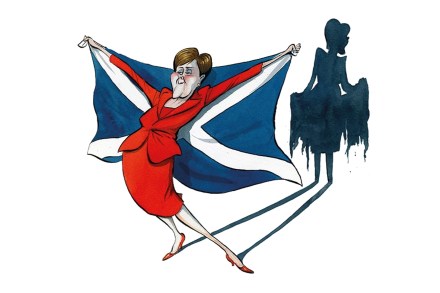
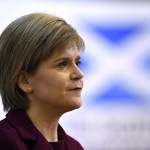
Every politician likes to say that they don’t pay attention to opinion polls. In my experience, this is almost universally untrue. Those who sail in an ocean of public opinion want to know which way the wind is blowing. The most recent polls show the wind is in the Tories’ sails at the moment: the YouGov post-Budget survey indicated a 13-point Tory lead. But in Scotland for the past year, polls have consistently shown majority support for independence. That’s now changing. Nicola Sturgeon can’t claim she doesn’t pay attention to the polls; she has too often commented on ones showing independence ahead.

Was that Keir Starmer’s best PMQs?

From our UK edition

10 min listen

Keir Starmer pushed the PM on the 1 per cent pay rise for nurses at PMQS today. Did shorter, snappier questions bring results for the Labour leader? Isabel Hardman speaks to James Forsyth and Katy Balls.

Starmer made life difficult for Boris at PMQs

From our UK edition

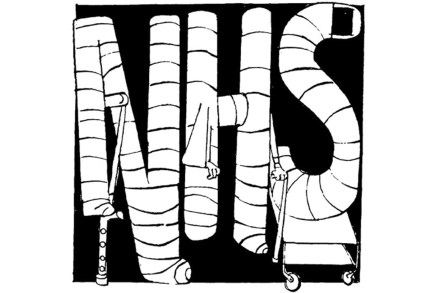
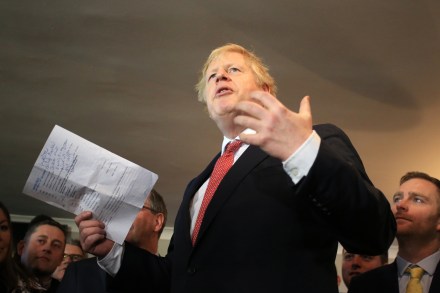
Keir Starmer had his most effective parliamentary outing in some time today. The Labour leader not only picked the right topic, nurses pay, but asked short, pithy questions which made it harder for Boris Johnson to change the subject.  Starmer landed a few blows with some cheap but effective comparisons of what nurses were getting compared to other bits of government spending. With elections coming in two months' time, Labour will be happy to run with this issue. The only protection that the Tories have on it is to say that the independent pay review body will, ultimately, make a recommendation. Starmer’s performance could, though, have been even more effective. Johnson claimed that Labour had voted against the NHS plan, which included a 2.1 per cent rise for nurses.

Sunak’s NHS pay rise headache

From our UK edition

14 min listen

NHS chief Simon Stevens today confirmed that the health service budgeted for a 2.1 per cent pay rise this year (rather than the 1 per cent being recommended by the government), putting pressure on the Treasury to stump up more cash. What are their options, how are Tory backbenchers reacting, and can Starmer turn the issue into an effective political attack? Katy Balls speaks to James Forsyth and Isabel Hardman.

Can Boris sustain his royal silence?

From our UK edition

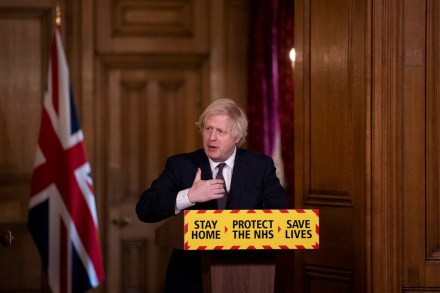
Boris Johnson is clearly determined to avoid being dragged into this Harry and Meghan story. At his press conference this afternoon, he said that he has the ‘highest admiration for the Queen’ but emphasised that he wouldn’t be commenting on the story. One can understand why Boris Johnson doesn’t want to get involved in this intra-family row; it is hard to see how Keir Starmer’s opining on the matter is going to help him politically.  But Johnson’s line might prove difficult to hold. The racism charge against the royal family is incendiary.

Will the government respond to Harry and Meghan interview?

From our UK edition

13 min listen

The government has so far kept quiet about Harry and Meghan's shocking interview with Oprah, in which - among other revelations - the couple claimed that a member of the royal family made racist comments about their son Archie's skin colour. But with Boris Johnson set to host a government press conference at 4pm today, will he respond? Katy Balls speaks to James Forsyth and Isabel Hardman.

Is an early election on the cards?

From our UK edition

14 min listen

With economic growth of over seven percent forecast for 2022, could 2023 be an election year? Katy Balls speaks to Fraser Nelson and James Forsyth about the next poll's likely date.

Is a one per cent pay rise fair?

From our UK edition

13 min listen

Unions are threatening strike action after the government recommended a one per cent pay increase for nurses in England. Will the backlash force a U-turn, and what will the public make of it? Katy Balls talks to James Forsyth and Fraser Nelson.

Immigration is no longer a political problem

From our UK edition

Ask voters what the most important issue facing Britain is and just 2 per cent say immigration. Even when you expand it to the most important issues, the figure only reaches 6 per cent. This is a dramatic turnaround from 2015 when 56 per cent listed immigration as one of the top issues facing the country. In my Times column today, I ask what explains this shift. The end of free movement and the resumption of border control has taken much of the heat out of the issue In part, it is Covid. Before the pandemic, net migration to Britain was running at 313,000. In the past year, though, hundreds of thousands have returned to their home country for lockdown. The Office for Budget Responsibility estimates that the population might have fallen by 1.

Sunak’s Covid budget offers a glimpse of Britain’s Brexit freedoms

From our UK edition

Rishi Sunak’s planned corporation tax hike is a reminder of the importance he sets by trying to put the public finances on a sounder footing. He think that his room for manoeuvre in this crisis has been, in part, because the public finances were in reasonable shape before it.  The vaccination programme remains this government’s most important economic policy As I say in the magazine this week, his concern about debt has long been about the cost of servicing it (which remains low) rather than its precise level. But the debt pile is now so large that small movements in interest rates have big consequences. But straightening out the public finances will need growth.

What Rishi Sunak could learn from the vaccine rollout

From our UK edition

Barely a year has passed since Rishi Sunak’s first Budget. Its centrepiece was a £30 billion stimulus designed to calm nerves about Covid-19 even though barely 500 cases had been diagnosed in the country. The Commons chamber was packed, with not a mask in sight. Few that day would have thought that in a year’s time the country would be in its third national lockdown and the economy would have suffered its worst slump since the Great Frost of 1709. The pandemic has made a mockery of nearly every optimistic prediction. The government is now moving with extreme caution. Even though vaccines have a greater effect with every passing day, restrictions won’t finally be removed until 21 June.