James Forsyth

James Forsyth

James Forsyth is former political editor of The Spectator.

Three reasons why the Liberal Democrats don’t want to do a deal with Labour

From our UK edition

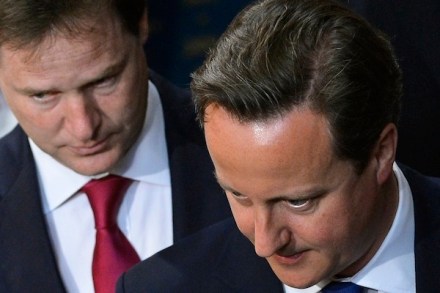
When Norman Lamb warned his fellow Liberal Democrats against doing a deal with Labour, there was no uproar at the party conference. Instead, the private assessment was that Lamb was right that a coalition with Labour would be far more problematic—and far less preferable—to a second one with the Conservatives. There are three reasons advanced for not going in with Labour, as I set out in the column this week: 1). It would make the Liberal Democrats ‘the nasty party’ In coalition with the Tories, the Liberal Democrats’ role is to be a softening influence. They get to warn against spending cuts going too far, rail against tax cuts for the rich and demand they go to the low-paid instead, and defend environmentalism.

Why are the Lib Dems duffing up the Tories? To ensure another coalition

From our UK edition

[audioplayer src="http://traffic.libsyn.com/spectator/TheViewFrom22_9_Oct_2014_v4.mp3" title="James Forsyth and Isabel Hardman discuss Lib Dem tactics" startat=782] Listen [/audioplayer]The last Liberal Democrat conference before the general election has been dominated by denunciations of the ‘nasty’ Tories. Lib Dems claim they are shocked to find George Osborne proposing a freeze in working age benefits. But can they really be so very surprised? Given that they themselves blocked the Tories from implementing this policy in the current parliament, they must have suspected that Osborne would want to do it in the next. But through all the platform rhetoric, the outlines of a second Tory/Lib Dem coalition have become clear in the past fortnight.

The Liberal Democrats have come to terms with what they have done in government

From our UK edition

The Liberal Democrats might be in the single digits in the polls, but they were distinctly chipper this week. There’s one simple explanation for this, the political landscape gives them hope that there will be another hung parliament and they will be in government again after 2015. But I think there is another factor behind this Lib Dem cheer: they’ve come to terms with what they’ve done in government.   Large parts of Clegg’s speech today seemed designed to prepare activists with lines to use on the doorstep. When it came to the tuition fees, the tone was—despite Clegg’s earlier apology—strikingly defiant. He said, ‘when you meet people who still aren't sure about us, ask them this: How will you judge us?

Nick Clegg’s Liberal Democrats are in high spirits – and in attack mode

From our UK edition

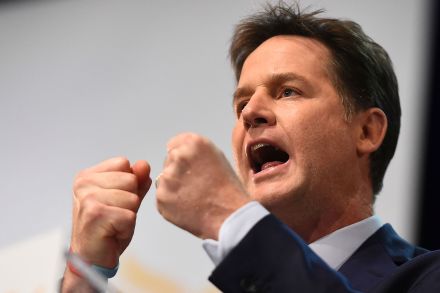
listen to ‘Podcast: Nick Clegg's speech’ on audioBoom There were no rabbits in Nick Clegg’s speech today. Instead, there was just an unerring emphasis on the Liberal Democrats’ message that they are the only party that will provide ‘a stronger economy and a fairer society’ and that’s why you need them in government. Clegg began by thanking Ed Miliband and George Osborne for setting up the Lib Dem conference so well. He told activists that Miliband (by forgetting to mention the deficit) and Obsorne (by saying he would close the deficit through spending cuts alone) had opened up the political space that the Liberal Democrats need. Indeed, at times Clegg seemed to be drilling activists about what to say on the doorstep.

Danny Alexander indicates that the Lib Dems wants £5 billion in tax rises

From our UK edition

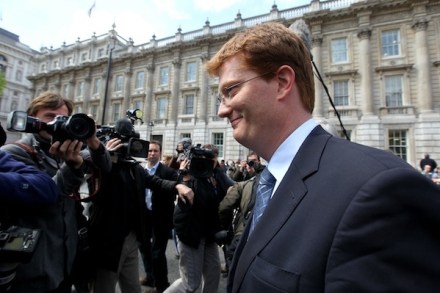
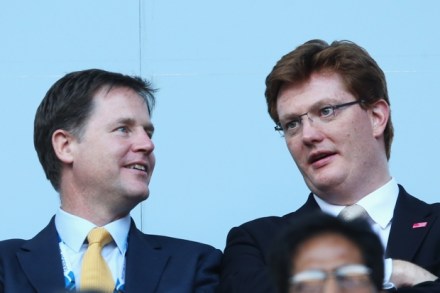
In a sign of his enhanced status in the party, Danny Alexander has been one of the main attractions on the conference fringe this year. This evening, it was standing room only when he was interviewed by The Independent’s Steve Richards. Alexander was on feisty form. He declared that ‘both the other parties are pretty useless’ and that the Liberal Democrats had ‘done a bloody good job for this country’. Marking his own homework, he gave the party 10 out of 10 for being credible and effective. But he said that the Lib Dems had to shout louder to get their share of the credit for the economic recovery.

Vince Cable accuses George Osborne of lying about tax rises

From our UK edition

Vince Cable’s speech today was loyal and funny. Cable was, unlike in some previous years, very much on message. He lavished praise on Clegg for having turned the Liberal Democrats into a party of government. He ended his speech by telling the activists that ‘there is a lot to be proud of and we must be proud of it’ to the delight of Nick Clegg, who was rather distractingly wearing jeans in the conference hall. Cable also attacked both the Tories and Labour. He joked that the Tories were turning into Ukip without the beer and Labour into Hollande-style socialists but without the sex. The most aggressive part of his speech was when Cable alleged that any politician, eg George Osborne, who told you the books could be balanced without new tax rises was lying.

Lynne Featherstone: I’d like to shoot the Lib Dem Coalition Negotiating Team

From our UK edition

The Lib Dems leadership might have hoped that it had moved on from tuition fees. But tonight’s League of Young Voters fringe was dominated by the topic. Lynne Featherstone, a Lib Dem Minister, says that she would like to shoot the Lib Dem negotiating team for not making the issue a red line in the coalition negotiations. Quite what her Lib Dem ministerial colleagues who were on that team—Danny Alexander and David Laws—will make of that remains to be seen. Tim Farron, the party president, was more judicious in his language. But he did say that the negotiating team should have realised that the electorate’s sense of what the party’s red lines should have been, should have been taken into account more.

Clegg attacks ‘economically extreme’ Tories

From our UK edition

The Lib Dem message in Glasgow this week in simple, you can’t trust either Labour or the Tories to run the country on their own. On Marr this morning, Nick Clegg said that the country was being offered a ‘dismal choice’ between ‘sticking your head in the sand’ with Labour or ‘beating up on the poor’ with the Tories. Clegg was determined to get his anti-Tory lines out there. He accused George Osborne of a plan to ‘savage unprotected public services’ and again and again attacked the Tories for being ‘economically extreme’ and supposedly wanting to balance the budget on the backs of the poor.

US warns it will take a year to wrest Mosul back from Islamic State

From our UK edition

The problem posed by Islamic State will, sadly, not be dealt with quickly. The New York Times reports that John R. Allen, the retired US general coordinating the international coalition against IS, has warned that it will take up to a year before Iraqi forces are ready to try and re-take Mosul.   Given that IS is more firmly entrenched in Syria than Iraq, this suggests that defeating it there will take even longer. Indeed, the Syrian problem is compounded by the fact that there are not credible ground forces there to take the fight to IS.   Air strikes against IS are aimed more at disrupting its momentum and containing it than eliminating it.

The Lib Dems are the winners of conference season (and they haven’t even held theirs yet)

From our UK edition

[audioplayer src="http://traffic.libsyn.com/spectator/TheViewFrom22_2_Oct_2014_v4.mp3" title="James Forsyth and Isabel Hardman review the conference season" startat=604] Listen [/audioplayer]Normally, the last party conference season before an election clarifies matters. But, so far, this one has not. Instead, it has merely compounded the factors  that make the next election so difficult to call. The reason why people are reluctant to predict a Labour majority despite its current poll lead and the structural factors in its favour, is that it trails on the economy and leadership by margins that would usually be considered terminal. Its conference didn’t address these problems successfully. Indeed, with Ed Miliband forgetting the section on the deficit it has compounded them.

Get ready for an election where everyone loses (except maybe the Lib Dems)

From our UK edition

[audioplayer src="http://traffic.libsyn.com/spectator/TheViewFrom22_2_Oct_2014_v4.mp3" title="James Forsyth and Isabel Hardman review the conference season" startat=604] Listen [/audioplayer]Two things have been puzzling Tory high-ups in Birmingham this week: does Nigel Farage have another defector in his back pocket, and why is the Tory party in such a good mood? Many expected that a second MP defecting to Ukip would have plunged the party into the slough of despond. One influential Tory, though, has an explanation for what’s going on. ‘The mood here is so upbeat because people think we’ve got Labour beat.’ He is, however, quick to add, ‘It is Ukip that is the problem.

Cameron’s shield and spear

From our UK edition

[audioplayer src="http://traffic.libsyn.com/spectator/TheViewFrom22_2_Oct_2014_v4.mp3" title="James Forsyth and Isabel Hardman review the conference season" startat=604] Listen [/audioplayer]Today’s speech was all about equipping the Tories with the weapons they’ll need to fight the next election. The Cameroons have always been convinced, with justification, that the Tories can only hope to win elections if they neutralise the NHS as an issue. So, we saw Cameron giving the party a shield on that issue—a promise to increase spending on the NHS every year. This was combined with Cameron’s most personal—and angriest—response yet to Labour efforts to suggest that he’s privatising or running down the NHS.

Why are the Tory party in such a good mood?

From our UK edition

Two things have been puzzling Tory high-ups in Birmingham this week: does Nigel Farage have another defector in his back pocket, and why is the Tory party in such a good mood? Many expected that a second MP defecting to Ukip would have plunged the party into the slough of despond. One influential Tory, though, has an explanation for what’s going on. ‘The mood here is so upbeat because people think we’ve got Labour beat.’ He is, however, quick to add, ‘It is Ukip that is the problem.’ This is the paradox of British politics at the moment: it is easier to explain why either main party shouldn’t win the election than to advance an argument as to why they will.

David Cameron’s speech had classically Tory messages – but it shows he hasn’t given up on modernisation

From our UK edition

[audioplayer src="http://traffic.libsyn.com/spectator/TheViewFrom22_2_Oct_2014_v4.mp3" title="James Forsyth and Isabel Hardman review the conference season" startat=604] Listen [/audioplayer]The Tories leave Birmingham in far better heart than when they arrived. They feel that they have succeeded in setting the terms of debate this week. On tax and spending, their baseline is now what Labour will be judged against.

Loyal Boris rallies the troops

From our UK edition

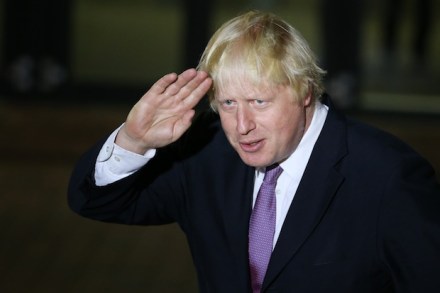
Boris Johnson was on loyal form tonight at the Conservative Home rally. He told the audience that the Tory advantage on leadership and the economy would see voters coming over to the party ‘in droves’. He even predicted a 1983 style win for the Tories—which considering that the Tory majority then was 144 seemed more than a little bit over optimistic. The Mayor of London was so in sync with the leadership’s strategy that he even moved straight from Europe to English votes for English laws, the issue that Cameron and co believe can stop the bleeding to Ukip. There were, though, perhaps a few markers laid down for the future.

Osborne’s speech gambled on voters accepting more austerity

From our UK edition

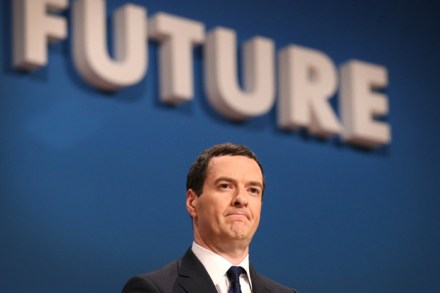
George Osborne’s speech to Conservative conference was politically brave. He is gambling that the voting public will applaud his candour about the tough choices that the country is still facing, rather than chafing at the fact that five million working households will lose money from the freeze in working age benefits he announced today.

The Tories think that Mark Reckless is beatable — and they have the anger to fight

From our UK edition

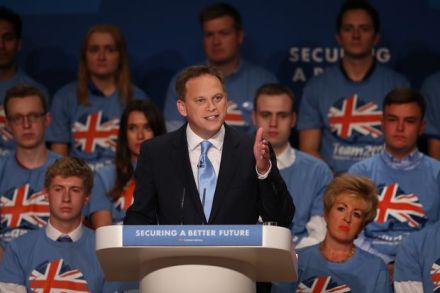
The Tory Party is angry. Making my way into the conference centre, every Tory Minister and MP I bumped into wanted to vent about Mark Reckless. Unlike with Douglas Carswell, there is no personal warmth towards him and there is a real sense that Reckless lied repeatedly about his intentions. Grant Shapps gave voice to that frustration in his speech. In an extended attack on Reckless, he declared ‘We have been let down by somebody who has repeatedly lied to his constituents and to you’. He then added, ‘He lied and he lied and he lied’.

Cameron: I’ll put immigration at the heart of my EU negotiating strategy

From our UK edition

If David Cameron needed reminding of how his conference agenda had been stamped on, it came on the Marr show. The Tories’ conference curtain-raiser of reducing the benefit cap, limiting access to benefits for the under 21s and creating more apprentices was eclipsed by Syria, the Reckless defection, the EU renegotiation and Cameron’s Royal gaffe.

Tories ready for tough by-election fight

From our UK edition

When Douglas Carswell defected, many Tory MPs were quick to say that an aggressive campaign against him would be counter-productive. There is none of that talk today. listen to ‘Podcast special: Mark Reckless defects to Ukip’ on audioBoom Listening to Tories this afternoon one is struck by how so many of them view the Reckless defection as different to the Carswell one. They point out Carswell didn’t regularly deny that he was going to defect in the way that Reckless did. Reckless’s timing is also far more clearly designed to hurt the Tory party than Carswell’s was. Judging by the conversations I’ve had this afternoon, the whips won’t find it hard to get Tory MPs down to Rochester to campaign.

Tories to offer discounted homes to first-time buyers

From our UK edition

The Tories have begun to roll out their conference offer to voters. Today, they’ve announced that if re-elected, first time buyers under 40 will be offered properties to buy at a 20 percent discount. There will be a 100,000 houses available under this scheme, all built on brownfield land. The discount will be achieved by exempting the construction of these homes from various taxes and levies.   Tories win elections when they extend home ownership and this idea will have some resonance with aspirational voters worried about how they’ll ever afford a home There will, though, be those on the right who worry about this extension of Help to Buy, arguing that it encourages a reliance on cheap credit.