Jack Watling

Dr Jack Watling is Senior Research Fellow for Land Warfare at the Royal United Services Institute

Sending uranium ammo to Ukraine isn’t an escalation

From our UK edition

It didn’t take long for the Kremlin to exploit the news that Britain will be supplying depleted uranium armour-piercing anti-tank ammo to Ukraine. On Tuesday, Putin said that ‘Russia will have to respond accordingly, given that the West collectively is already beginning to use weapons with a nuclear component.’ While on Wednesday, Russia's Ambassador to the US said that the West had ‘irrevocably decided to bring humanity to a dangerous line, beyond which a nuclear Armageddon is looming ever more distinctly.'  Both remarks are part of a long-standing Russian attempt to suggest that the Ukraine conflict might lead to nuclear escalation. The aim is to disrupt international support for Ukraine.
Russia wants to bleed Ukraine dry before its tanks arrive

From our UK edition

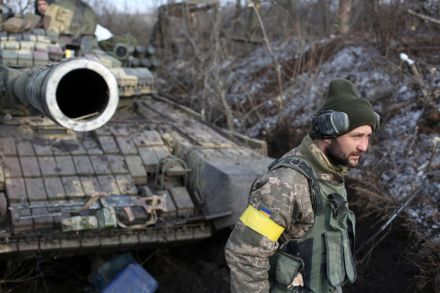
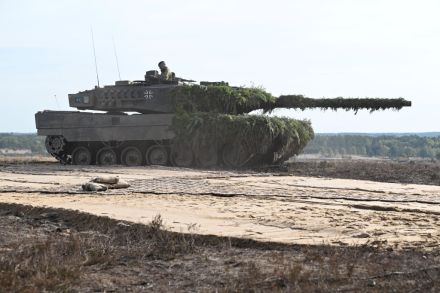
The decision by Kyiv’s international partners to send Nato-designed main battle tanks to Ukraine is a pivotal moment in the Russo-Ukrainian War. The tanks may be the focus of attention, but they were part of a much larger range of commitments – Ukraine’s partners have now committed to enabling Kyiv to reclaim its territory as quickly as possible. In spite of that, it will take months of hard fighting before Ukraine can make significant gains.  The next few months of fighting are going to be hard Russia is currently at the nadir of its capabilities, fielding poorly trained troops with older and more varied equipment, and with shortages of munitions.

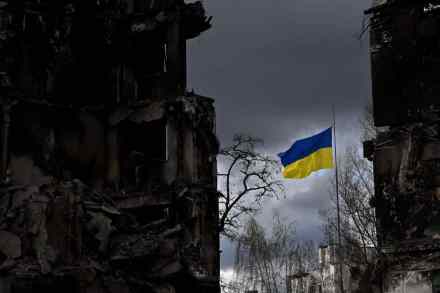
Why didn’t Ukraine fall?

From our UK edition

A week before Russia invaded Ukraine, expectations varied considerably. The US government was certain the Russians would strike at Kyiv and seize the Ukrainian capital in 72 hours. The Russian presidential administration concurred. In Paris and Berlin, officials were briefing that Anglo-American hysteria was leading the world to another Iraq WMD moment and that the Russians were just posturing. Views varied in Kyiv, but the government’s assessment was that a period of political destabilisation would be followed by a limited Russian offensive against the Donbas.