Jack Rivlin

Jack Rivlin is co-founder of student blog the Tab. He writes The Upshot, a weekly sports newsletter.

Payday: who’s afraid of rising wages?

From our UK edition

45 min listen

In this week’s episode: is Brexit to blame for the rise in blue-collar wages? With labour shortages driving wages up, many have blamed Britain’s removal from the single market. However, this week in The Spectator, Matthew Lynn argues that shocks and price signals are how the free-market economy reorganises, and that we are experiencing a global trend just like America and Germany. Simon Jenkins, columnist for the Guardian, joins Matthew to discuss. (00:45)Also this week: the British Medical Association has dropped its opposition to assisted dying, but is euthanasia really a dignified and painless process? Dr Joel Zivot asks this question in The Spectator magazine, drawing upon his own experience as an expert witness against the use of lethal injection in America.


Are NFTs memes – or masterpieces?

From our UK edition

You may think you have experienced buyer’s remorse. But until you’ve splashed out £4,000 on a Jpeg, you have not. That’s where I found myself the other day, after an adrenalin-fuelled afternoon bidding on a digital collectible ‘card’ depicting the Mona Lisa sitting on an easel. The item in question is a Curio Card, one of the earliest examples of a non-fungible token (NFT), a new technology used to buy and sell digital art. NFTs are the latest frontier for crypto-currency maniacs, the online gold rushers who keep financial watchdogs awake at night. Bored by a quiet summer for stock markets, memes and bitcoin speculation, the maniacs are piling into the fledgling digital-art market. It is booming.

Comedy gold: the economics of internet irony

From our UK edition

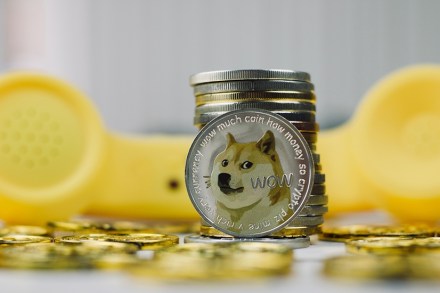
If you’re looking for proof we live in a computer simulation, consider the farcical story of dogecoin. Named after an internet meme about a talking dog, the joke currency was created as a parody of bitcoin. Dogecoin has no practical uses, yet online investors have ploughed billions into it. ‘We thought it would just make the viral rounds on social media,’ said founder Jackson Palmer. Last week the valuation passed $68 billion — more than Kraft Heinz and Ford. Palmer is now worth several hundred million dollars. Not bad for a Twitter gag. Although it’s seven years old, dogecoin wasn’t a big deal until a few months ago, when supportive tweets from Elon Musk, the world’s richest man, fuelled an explosion in popularity.

Why I joined the online army taking on the hedge funds

From our UK edition

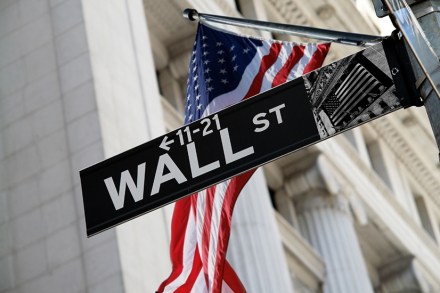
I spent most of last week drenched in sweat, launching a vicious assault on Wall Street hedge funds which cost them $20 billion. Along with thousands of other ‘degenerates’, I bought shares in GameStop, a struggling videogame shop whose value has recently soared by 2,000 per cent. Behind the surge is an online community called WallStreetBets, where bored young men gamble on barely researched stock tips and crack tasteless jokes. The community, which lives on the social media website Reddit, has a history of hilariously aggressive stock-market bets. In 2019, for example, a 19-year-old member made $700,000 and then lost it all again within two weeks. Last week WallStreetBets became global news.

Memes vs Wall Street: how Reddit took on US hedge funds

From our UK edition

What did you do this week? I spent it drenched in sweat, launching a vicious assault on Wall Street hedge funds which cost them $5 billion (£3.7 billion). And I didn’t even have to put my trousers on. Along with thousands of other degenerates, I bought shares in GameStop, a struggling US video game store whose value has soared by 2,000 per cent in the last four weeks. Behind the surge is a wild Reddit community called WallStreetBets, where bored young men gamble on barely researched stock tips and crack tasteless jokes. The community, whose tagline is ‘like 4chan found a Bloomberg terminal’, has a long and hilarious history of aggressive stock market bets leading to eye-watering gains and losses.