J. Meirion

Doctor who? | 27 June 2019

From our UK edition

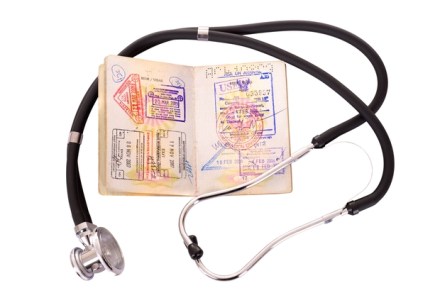
Last October, Phil Coleman, a journalist on the Carlisle-based News & Star, went to cover the trial of Zholia Alemi, a 56-year-old consultant psychiatrist who was accused of forging the will of an 84-year-old dementia patient in an attempt to inherit her £1.3 million estate. During the trial, Phil realised this complex scam could not have been the work of an amateur fraudster, and suspected previous mischief. How right he was. It turned out that Alemi had been practising in the NHS for 23 years without a medical qualification. Originally from Iran, Alemi moved as a young woman to New Zealand where she claimed she had graduated in medicine from the University of Auckland in 1992.


Wanted: UK doctors

From our UK edition

For years, Britain has been failing to train enough doctors and has been importing them instead. This has been a well-known and much lamented fact, raising several ethical issues. Is it right for us to rob developing countries of their much-needed medics? Simon Stevens, the head of the NHS, said at the Spectator’s health summit this week that Britain should stop ‘denuding low-income countries of health professionals they need’. Quite so. Which makes it all the more shocking that last year, for the first time ever, the UK imported more doctors than it trained. And the problem Stevens highlights has, under his leadership, been getting steadily worse.

Losing patients

From our UK edition

For weeks now, we have been reading about a crisis in A&E — a symptom, we’re told, of a funding crisis in the National Health Service more generally. Since I started working for the NHS almost 45 years ago, this has been a familiar theme: the system is creaking, but a bit more tax money should suffice. To many of us who have seen the system close at hand, another question presents itself: what if the NHS were to cut down on waste? And perhaps recover costs from the health tourists who turn up for treatment to which they are not entitled? I first made the case for doing so four years ago, in the pages of this magazine, when I was the senior surgeon of a rare cancers unit at the Royal Marsden Hospital in London.

The GPs’ revenge

From our UK edition

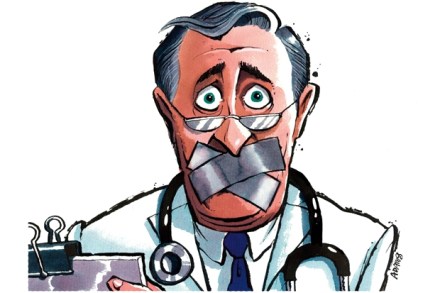
On 31 March, I walked out of the Royal Marsden Hospital in London for the last time, after 28 years as a consultant cancer surgeon. At the age of almost 69, I had given six months’ notice of my wish to resign my contract by Easter, but to remain on staff in order to complete a research project on malignant melanoma. That request was initially considered favourably, then withdrawn after I wrote a series of articles in The Spectator and the Daily Mail about what I thought was wrong with the NHS. One, in which I said that ‘GPs are part of the NHS’s problem, not the solution’, triggered a particularly vitriolic response. Doctors demanded that I be punished and attacked me on social media. The Marsden caved.

I got a call from Jeremy Hunt about health tourism — but he still doesn’t get it

From our UK edition

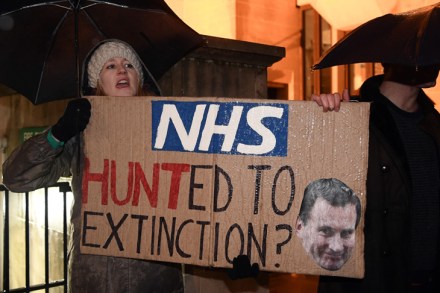
On Monday morning, Jeremy Hunt’s diary secretary rang me to arrange a time for me to speak to the Secretary of State over the telephone. I had already received an email from his special adviser the previous week, saying, ‘The two points which the independent research make clear are central to what you’ve been saying for a long time; namely that health tourism is a huge problem with a substantial cost to the NHS and the current system is an unfair burden on frontline staff.’ When Jeremy rang, he was charming, full of praise, and eager to tackle the issue of health tourism — the exploitation of the NHS by ineligible, non-tax contributing patients. Yet for all the Health Secretary’s good intentions, I fear his department is failing to grasp the nettle.

The wrong way to fix the NHS

From our UK edition

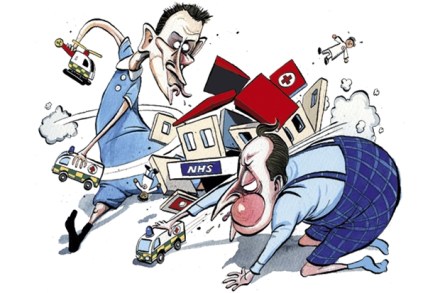
Jeremy Hunt, the Health Secretary, is a decent and well-meaning man. He’s genuinely excited about the new, radical reforms planned for the NHS which he announced last weekend. I have been told that Hunt and his old friend David Cameron see this restructuring of the NHS as the next great step, as significant and successful as Gove’s education reform; something the Prime Minister will be remembered for gratefully in 100 years’ time. I’m afraid they’re wrong. If implemented as announced, these plans will be both expensive and ineffective. The main trouble is that Hunt’s NHS revamp will rely on a vast, integrated and enormously complicated IT system.

How NHS health tourism is costing us billions: a surgeon’s story

From our UK edition

When David Cameron proposed toughening the rules that govern foreign nationals being treated for free by the National Health Service, he faced — as one might expect — a barrage of criticism. The Prime Minister was accused of tilting at windmills. The threat exists only in the minds of xenophobes, said his critics. The actual levels of abuse are minimal, so why is he scaremongering? A few weeks earlier, I had written a piece for The Spectator from a different perspective; that of an cancer specialist who has spent his career in the NHS. I wrote for one reason only: that I cherish the NHS, and wish to stop its abuse. My piece focused on the actual nature of the abuse, how it is carried out and why so little of it is detected.

Free riding foreigners: the next NHS scandal

From our UK edition

A fundamental and enduring principle of the NHS is that it is ‘free at the point of use’. All major political parties subscribe to this mantra and none dare challenge it. Herein lies the problem. The consequence of such altruism — all at the UK taxpayer’s expense — is health tourism and abuse of the NHS by ineligible patients. The general public seem unaware of this deception despite being rightly exercised about other examples of similar abuse, such as benefit fraud. How is this any different? The rules and regulations laid down by the Department of Health governing eligibility for free NHS care are so porous, ineffective and difficult to enforce that they can be easily breached by would-be patients motivated enough to try.