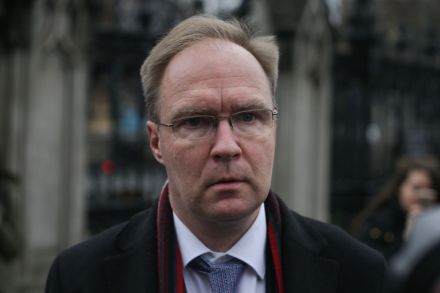
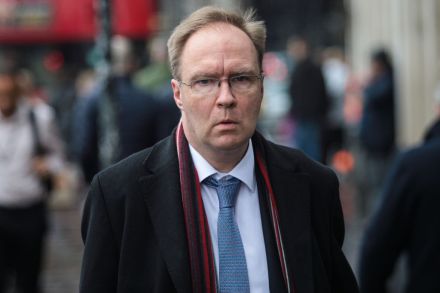
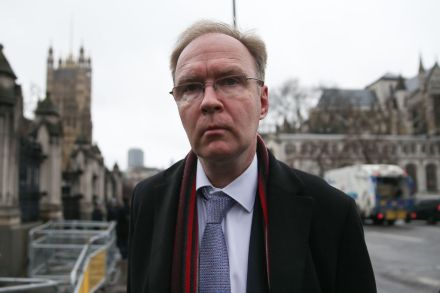
Ivan Rogers

Coffee House Top 10: Ivan Rogers: no deal is now the most likely Brexit outcome

From our UK edition

We’re closing 2019 by republishing our ten most-read articles of the year. Here’s No. 10: Ivan Rogers's article from June on the prospect of a no-deal Brexit: We all know this is a great country. Sadly, it’s one currently very poorly led by a political elite, some masquerading as non-elite, which has great difficulties discerning and telling the truth. I am discouraged by just how badly Brexit has been handled to date, and currently pessimistic that this is going to get any better any time soon. I am worried that the longer the sheer lack of seriousness and honesty, the delusion mongering goes on, the more we imperil our long-term prospects.
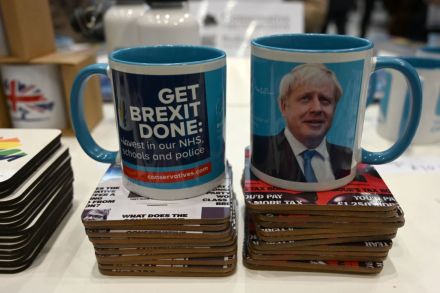
‘Get Brexit done’? Boris is in danger of making May’s mistake

From our UK edition

I'd love for James Kirkup to be right when he claims I am wrong about Boris Johnson. And as he knows vastly more than me about Tory party politics, it’s really not easy to disagree. But I must confess I remain to be convinced. To start with, here's why I want him to be right: I expect the EU to prioritise a deal on tariff-free, quota free trade in goods – with extensive so-called “level playing field” conditionality – and on fisheries. And to “park” many other issues till after 2020. Michel Barnier duly confirmed exactly that to the European Parliament this week. I am well aware that some will say “take the win, and we are then free”.

The biggest Brexit crisis still lies ahead

From our UK edition

As a former civil servant, I long ago set aside the freedom to express personal political views, but I am as keenly interested in the possible outcomes as the rest of you. We can all read the polls, and follow the work of the many experts and as we sit here today the version of the future I will concentrate on is a very likely one if things continue on their current course. Let’s start though at the beginning, with the Ghost of Christmas Past who reminds Scrooge of some important moments in his past that have had a determining influence on the present. This ghost you may remember is a kindly one, and says to Scrooge: 'These are the shadows of things that have been, that they are what they are, do not blame me!

Ivan Rogers: the realities of a no-deal Brexit

From our UK edition

As so often in the last three years, much of our political debate is ducking the central strategic questions and is obsessing, in increasingly hysterical fashion on all sides, about tactical ones. We face the most explosive political week for years, perhaps decades. But remarkably little of the debate is about our real options. We should be thinking 10 to 20 years ahead, not 10 weeks. The primary issue with a 'no deal' Brexit is not, and never has been, how far our domestic contingency planning enables us to mitigate the short-term shock. That is hugely important. If 'no deal' happens, the day to day consequences – malign or benign – will inevitably drown out all else in the news for months.

Ivan Rogers: no deal is now the most likely Brexit outcome

From our UK edition

We all know this is a great country. Sadly, it’s one currently very poorly led by a political elite, some masquerading as non-elite, which has great difficulties discerning and telling the truth. I am discouraged by just how badly Brexit has been handled to date, and currently pessimistic that this is going to get any better any time soon. I am worried that the longer the sheer lack of seriousness and honesty, the delusion mongering goes on, the more we imperil our long-term prospects. It is not patriotism to keep on failing to confront realities and to make serious choices from the options which exist, rather than carrying on conjuring up ones which don’t.

No dealers must dream on: A conversation with Ivan Rogers

From our UK edition

Sir Ivan Rogers was in conversation at the Institute for Government. This is an edited transcript of his thoughts on why no-deal isn't a sustainable outcome, whether there should be a public inquiry into Brexit – and why, when it comes to negotiations, the difficult bit is still to come: Ivan Rogers: Once you get into the trade deal and the economic deal and then associated security and other deals, this is actually the complex bit still to come. It's much more complex and involves much more of Whitehall, and should involve Westminster a lot more than the exercise to date. I'm not disparaging the exercise to date, but that's solely about withdrawal terms and then a rather vague political declaration.

The futility of the no-deal Brexit bluff

From our UK edition

We desperately need clear and honest thinking about our choices - not just for the weeks but for the years, indeed decades, ahead. Our political debate is bedevilled by what, at the time I resigned, I termed “muddled thinking”, and by fantasies and delusions as to what our options really are in the world as it is - as opposed to several different worlds people on different sides of the debate would prefer to inhabit. These fantasies, which one would have hoped would be dissipating by now in the face of reality, are being propagated on all sides. Denialism is pretty universal. But if we are to take good decisions about our future, it is now genuinely urgent that we get beyond the myth-making. I am not going to speculate pointlessly about the votes next week.

The nine lessons of Brexit

From our UK edition

The stakes could not be higher now. We face the biggest political crisis for at least a couple of generations. The risks are now both a democratic crisis and an economic one. We just cannot go on as we have been: evading and obfuscating choices – indeed frequently denying, against all evidence, that there are unavoidable choices. And the public will understandably not, for a very long time, forgive a political class which on all sides of the divide fails to level with it on the choices being made. This feels a rather unseasonal theme but as we are approaching Christmas I thought I would therefore talk about nine lessons we need to draw from the last two and a half years, if the next two and a half – indeed the next decade – are not to be even more painful.