Iona Bain

Iona Bain is author of Own It: How our generation can invest our way to a better future.

The taxman is coming for the self-employed

From our UK edition

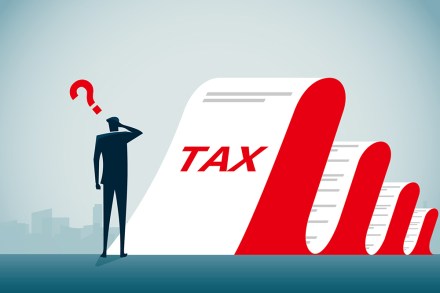
Spare a thought for Mrs McClafferty & Co. Like thousands of small business owners, she has spent years managing things the old-fashioned way: jotting down figures in a Silvine cash book, stuffing receipts into a shoebox and sorting it all out when the tax return comes around. But according to HMRC, taxpayers like her are partly responsible for a £24 billion black hole in UK tax receipts. Which means the taxman is coming for them. If you are self-employed and had an income of more than £50,000 last year, get ready for Making Tax Digital (MTD). From 6 April, you will have to file an income and expenses update four times a year, then an adjustment, then the annual return. You must use HMRC-approved software to do it all.

How to invest your way to a house deposit

From our UK edition

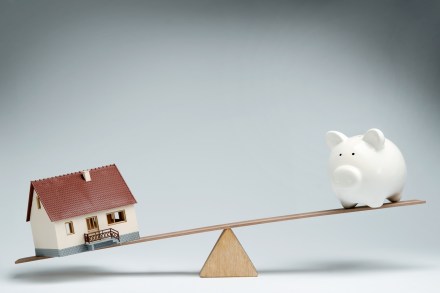
Back in the day, saving for your first home used to be a bit of a doddle. Find a nice savings account paying 5 or 6 per cent, stick away as much as you can every month, and, within a few years, head for the estate agents.  Talk of a ten-year slog to get on the housing ladder and using the stock market to build up your deposit was unheard of. But that was then. Kirstie Allsopp provoked controversy earlier this week by saying she felt 'enraged' when young people claimed they couldn't afford their first home because 'there are loads of people who can do but don't.' But is it merely a case of cutting back on life's luxuries?  In such a tough financial climate, it would be tempting to see investing as a magic wand that can conjure up the keys for that longed-for first home.

The art of investing – and why it’s never too late to start

From our UK edition

I'll admit this doesn’t seem like a brilliant moment to start investing. Inflation is becoming a problem due to labour shortages and the energy crisis. Central banks have already responded by raising interest rates and stopping the money printers. Firms could face higher costs whilst also posting lower profits and returns as people rein in their largesse. The best performing equities of the past decade (like Tesla and other Big Tech companies) could suffer, as investors flock to traditional safe havens. And yet the spike in the cost of living and the prospect of inflation mean fed-up savers are rightly looking for ways to take matter into their own hands. The operative words here are 'if' and 'could'.

Why Gen Z should care about inflation

From our UK edition

The inflation tiger is roaring. Older people can hear it. How about younger ones? Inflation could, after all, be the biggest blow to their finances in their lifetime. They don’t seem hugely concerned. According to polling by GfK, Generation Z is totally ‘chill’ about inflation. Older generations, meanwhile, are scarred by the last inflation spiral of the 1970s — a brown-tinged decade of power cuts, unemployment and grim donkey jackets. To younger people, that’s ancient history. Growing up in an era where inflation has averaged 2 per cent, they’d be forgiven for zoning out when they hear ‘back in the day…’ or when news reports reveal that inflation has spiked to 4.2 per cent — a peak not seen since November 2011.

Superbad: Joe Biden’s plummeting presidency

From our UK edition

41 min listen

In this week’s episode: Has the Biden Presidency stalled or crashed?In our cover story this week, Freddy Gray assesses the state of the Biden presidency. With steadily lowering approval ratings, a disastrous Afghanistan withdrawal, and this week’s failure of the Democrats to hold on to the Virginia Governorship, how much trouble is the US’s oldest inaugurated president in? Freddy talks to Lara along with Emily Tamkin, the US editor of the New Statesman and co-host of the World Review Podcast. (00:49)Also this week: Should we welcome or fear the Metaverse?Kit Wilson writes in The Spectator this week about Facebook’s new venture into the Metaverse, a concept that most of us probably hadn’t heard of until last week.

How to protect your finances against inflation

From our UK edition

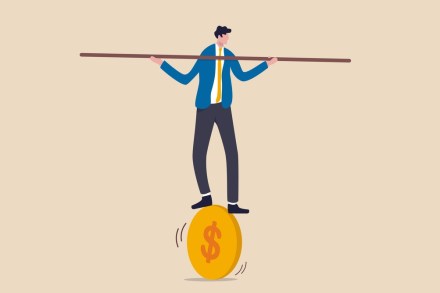
The economist Friedrich von Hayek once likened the control of inflation to the act of trying to catch a tiger by its tail: an impossible task with savage consequences for our macro and personal finances. Judging by the most recent inflation statistics, the big cat is already out of the bag. So how can we stop rapidly rising prices mauling our hard-earned wealth? Consumer price inflation in the UK was 2.1 per cent in May, trebling since March and surpassing the Bank of England’s predictions. The U.S. equivalent, meanwhile, rose to a whopping 5 per cent last month reaching its highest level since August 2008. Some experts agree with the central banks’ view that this all temporary.

Got a grievance? Then make sure you complain online

From our UK edition

All publicity is good publicity, right? Wrong. The United Airlines controversy last month showed just how quickly poor crisis management can decimate company shares. And we financial journalists know as soon as we mention our job titles when making a customer complaint, we usually receive a positive outcome, such is the corporate terror triggered by a whiff of bad press. But now the internet is making it possible for anyone to kick up a stink in a most public fashion. Recent research from comparison site Gocompare found that UK companies have paid out £65 million in compensation to customers who took to social media to complain about services and products.

An investment opportunity: why the Chinese economy continues to defy its many doubters

From our UK edition

The Chinese New Year is almost upon us, and perhaps its animal for 2017 is timely in our current political climate. According to astrologers, the Rooster is cocky, opinionated and attention seeking - sound familiar? China, one of the powerhouse economies of the world, is entering an uncertain New Year now that Donald Trump rules the roost in Washington. For years it has been tipped to take over America as the biggest global economy. But now its fortunes (and indeed ours) hinge on whether President Trump’s hard-line protectionist agenda will ruffle feathers and ultimately lead to a trade war. The omens might not look terrific (to use one of the Donald’s favourite words).