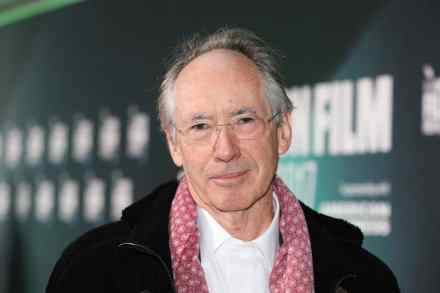
Ian McEwan

Ian McEwan: Lessons

From our UK edition

47 min listen

Sam Leith's guest in this week’s Book Club is Ian McEwan – whose latest novel Lessons draws on his own biography to imagine an 'alternative life' for himself. He tells Sam about what drew him, in his late career, to using autobiography; about why there’s no contradiction in combining realism with metafiction; about the importance of sex; the rise of cancel culture – and why literary fiction by 'comfortable white men of a certain age' may have had its day, but he’s not complaining.
It’s time to televise corona cabinet discussions

From our UK edition

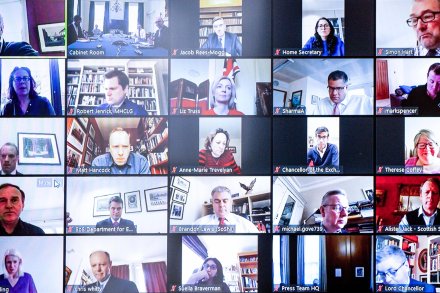
Microphones were installed in the House of Commons chamber in 1950. A mere 38 years passed before a parliamentary debate was broadcast on the radio. We would probably blush now to hear the arguments against our being allowed to follow in real time the intricacies of parliamentary debate. But the institutional habit of treating voters like children dies hard. It spooked most of us to hear that the Prime Minister was suddenly in hospital, then in ICU with a serious condition, so No. 10 disclosed, of being ‘cheerful’. We knew very well that these days cheerfulness can be effectively cured at home. Dread of spreading ‘alarm and despondency’ is one of the more tiresome elements of our second world war inheritance.

Ian McEwan: The strange vocabulary of coronavirus

From our UK edition

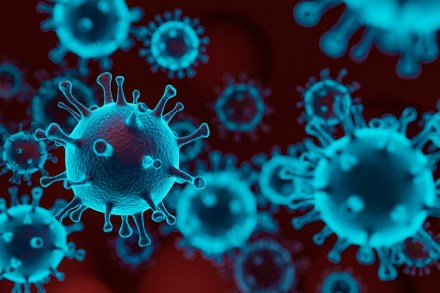
The vocabulary of Brexit has passed into oblivion. Now there’s fresh work to be done. We all know about ‘flattening the curve’, but are you comfortable yet with ‘fomite’, a word my older son, a virologist, taught the family early on? It’s an object or surface on which an infectious agent like a coronavirus might be lying in wait — just for you. A cheque in the post, next door’s cat, the tennis balls you are about to double-fault with — all good candidates. You knew that already. Then how about ‘lipid envelope’, the outer shell of certain viruses. We learn with relief that the envelope of our coronavirus of concern is easily destroyed by soap and water.