Hannah Niemeier

Blondie ambition

This article is in The Spectator’s inaugural US edition. Subscribe here to get yours. Once upon a time in the Seventies, rock ’n’ roll was a man’s game. Then Blondie happened –– or ‘Blondie’ herself, Debbie Harry, platinum bombshell and queen of punk. Actually, before Blondie there was the Runaways, an exploitation act from which the singer, Joan Jett, ran away. There was Patti Smith, who moved to New York City, fell in love with Robert Mapplethorpe and wrote poetry. There was Chrissie Hynde, who moved to London, passed through the rehearsals that generated the Sex Pistols and the Clash, and then, after Blondie had charted in Britain, formed the Pretenders.
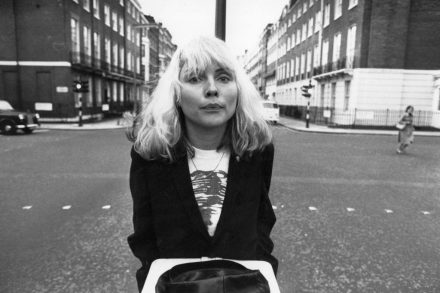
debbie harry blondie

Hallelujah: Leonard Cohen speaks from beyond the grave

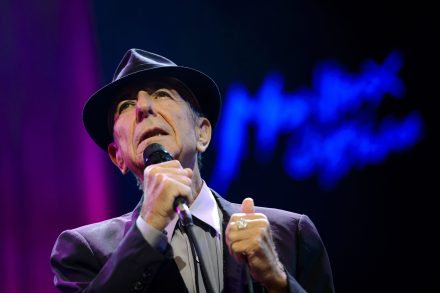
There was something inexplicable about Leonard Cohen, some combination of sexiness and silliness, brains and bohemianism. It  never should have worked, but it did, and that put him in a category of his own. Cohen died in November 2016, just after the release of his final studio album, You Want It Darker. Before he died, he compiled his first posthumous work, The Flame, from the uncollected poems, sketches, and lyrics in his hundreds of notebooks. A complicated man, Cohen somehow assembled uneven poetic gifts, limited musicality and a questionable vocal range into a consummate artistry. Cohen’s star burned more brightly with age, but he was a writer first and, in the end, last. In 1959, he published his first collection of poetry, Let Us Compare Mythologies.

leonard cohen