Ghaffar Hussain

Prevent’s purpose is drifting from terrorism

From our UK edition

When I was a Prevent counter terror officer a decade ago our case load was largely focused on Islamist terrorism – clear, defined ideological extremism. Today the picture looks very different. The majority of cases involve ‘mixed, unclear or unstable ideologies’ or a simple 'fixation with violence'. In other words, many people being referred no longer seem to have any specific ideology. The programme is looking at behaviours that are 'violence-oriented', which risks blurring our understanding of the real terror threat in the UK. According to the Home Office, there were 8,778 referrals to Prevent in the latest reporting period, up roughly 27 per cent on the previous year. At first glance these numbers appear to show a surge in radicalisation and extremism.
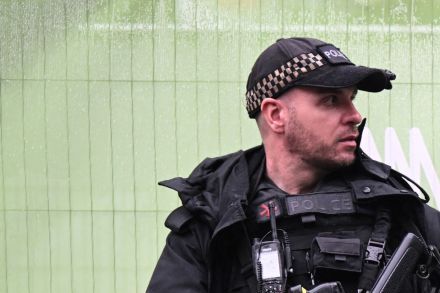

How we can prevent further anti-semitic atrocities

From our UK edition

The atrocious attack on a community of peaceful Jewish worshippers at a synagogue in Manchester yesterday shocked us all. But it was also the predictable outcome of converging trends that British society has either ignored or failed to stop. Since 7 October 2023, extremist organisations such as Isis and al Qaeda have repeatedly called for violence against Jewish communities in Europe. Isis even published an article called ‘Practical steps to fight the Jews’ in its al-Naba outlet that encouraged attacks on synagogues in Europe. This is not passive propaganda but a deliberate framing of Jewish people as complicit in foreign conflicts, followed by explicit calls for violence – often by lone actors who are far harder to detect.

Should we only tackle violent extremism? The rift at the heart of the counter-extremism debate

From our UK edition

The spat between Theresa May and Michael Gove over the notorious 'Trojan Horse' plot in Birmingham has exposed a rift that's been at the heart of the counter-extremism debate for years. At the heart of the matter is a debate over when is the best time to intervene in the radicalisation process. Some, like May, argue that extremism is only a problem when it becomes violent, and therefore we should only tackle its violent manifestations. Others, such as Gove, believe extremism should always be tackled, violent or not. Those who hold the former opinion tend to promote working with non-violent extremists in order to deter their more aggressive comrades. This tactic is based on the assumption that non-violent extremists are best-placed to de-radicalise the violent ones.