George Llewelyn

George Llewelyn is a British journalist and award winning documentary filmmaker. He is currently based in Kyiv, Ukraine

Chernihiv is on the frontline of Russia’s cruellest winter campaign yet

From our UK edition

First, the power went out in the bar. A few minutes later came the familiar low, concussive thud of an explosion nearby, the kind that makes the walls tremble and the glasses rattle on the shelves. Somewhere close, a few streets perhaps, a Russian drone had found its mark. Almost as quick as it came, the sound dissipates, leaving an ambivalent quietness in its wake. Inside, the waitress lights candles, which flicker as if battling to keep darkness at bay. From a phone sitting on the bar, she plays music, the sound, tinny and weak, fighting to drown out the silence. Outside, buses speed along the street, clamorous beacons of light patrolling in the gloom. Only a moment later, it’s as though the explosion had not happened.

A dispatch from Ukraine’s Pokrovsk: Heartbreak at the station

From our UK edition

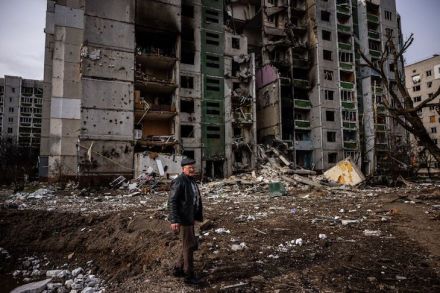
The sounds of protracted artillery battles boom and echo over the Ukrainian city of Pokrovsk with a nerve-wracking consistency. From morning until night, the Ukrainians and Russians fire endlessly upon one another from the suburbs. Billboards with a simple message, 'Evacuate', daubed in giant red lettering line most of the major routes through the city. A message blared unerringly over tannoys from police cars that crawl the streets continuously, and one more than half of the city’s 60,000 population have taken to heart.

Barbie’s Oscars snub isn’t sexist

From our UK edition

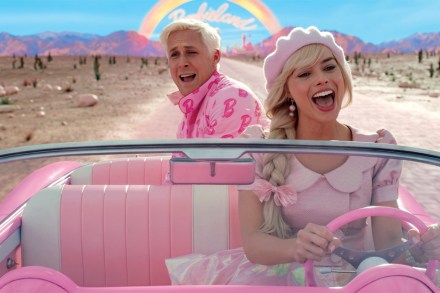
Not for the first time, Hillary Clinton is outraged. Reacting to the news that Barbie star, Margot Robbie, and the film's director, Greta Gerwig, missed out on Oscar nominations, Clinton sent a message to the pair: 'Greta & Margot, while it can sting to win the box office but not take home the gold, your millions of fans love you. You’re both so much more than Kenough.' But the truth is that sexism isn't to blame for the decision to snub Barbie. The reason Barbie won't be picking up many gongs at the Oscars is that it just isn't a very good film. The way Barbie deals with its central feminist conceit is clunky Barbenheimer fever, which reached its zenith last summer, was a thrilling time for film fans.

Mad dogs and Putin’s shells: A dispatch from Kherson

From our UK edition

Browsing the shelves at Tsum, a supermarket in the centre of Kherson in Ukraine, you could be forgiven for thinking you were in Whole Foods in Kensington. The deli and the grocery are as well stocked and diverse as any in London and, in the patisserie, the smell of freshly baked brioche permeates the air. Every day, people walk the aisles, gathering not only essentials but exotic fruits, kombucha and even Christmas decorations. In many ways, Tsum is emblematic of this city’s resilience in the midst of war. On the upper floors, its windows are either smashed or missing altogether; at street level, its doors are appended with large protective sheets of wood. Yet inside, life goes on much as it did before.

In praise of Penny Mordaunt’s coronation performance

From our UK edition

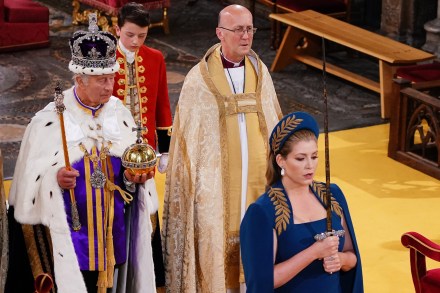
While protestors failed to overshadow the coronation, someone else did manage to steal the limelight. Penny Mordaunt, former Conservative leadership hopeful and Lord President of the Council, emerged victorious from today’s service. It was Mordaunt, not the King, who captured the imagination of some viewers at home and abroad. Arriving at Westminster Abbey in a bespoke teal dress, cape and headband by the designer Safiyaa, Ms Mordaunt immediately caught the attention of social media in much the same way as Pippa Middleton at Kate and Will’s wedding over a decade ago. Scene stealing, however, takes more than an outfit.

The Whale is a work of art

From our UK edition

If the 20th century was the age of the common man, the 21st is the age of the common man’s confounding. Between shambolic politics, culture wars and actual war, nothing is turning out quite as well as anyone expected. What was meant to be an era of freedom and enlightenment seems to have become the opposite.   Nowhere is this more evident than in the way we interact with one another. In what feels like the blink of an eye, discourse, and by extension society, has taken up residence on the internet. The pace of the outrage cycle has gathered such speed that we must always be finding something new to be incensed by. Social media has made us myopic, scrutinising everyone and everything until we find or invent reasons to clutch at our collective pearls.