Gary Kent

Britain has turned its back on its Kurdish allies

From our UK edition

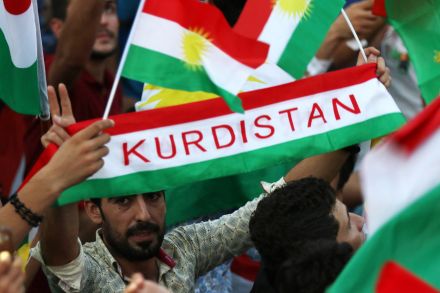
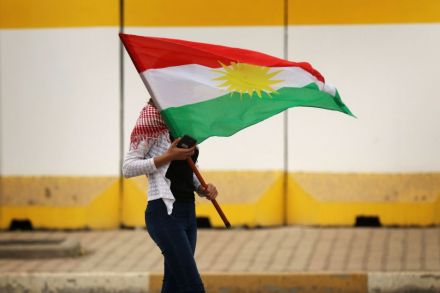
The Kurdish people are facing a deep crisis. Nowhere is their desperate situation clearer than the way an official visit by the Kurdistani PM, Nechirvan Barzani, to meet Emmanuel Macron in Paris has been seen as revolutionary. The meeting broke Iraq's diplomatic blockade on the Kurds, and is part of France's bid to kickstart a diplomatic demarche between the Kurds and Baghdad. The breakdown in relations was triggered as a result of September's referendum, when a resounding 93 per cent of Kurds backed independence. Since then, Iraq has spurned all Kurdistani requests for talks to resolve their political differences. For his troubles this week, Macron was accused of meddling in Iraq's affairs by Iraqi vice president Nuri al-Maliki.
‘Kurdexit’ would make Brexit look strong and stable

From our UK edition

Last week, American, British and UN diplomats tried to persuade the Kurds in Iraq to delay their referendum on independence. This high-profile intervention came amid a swirl of fiery rhetoric from other actors, especially Iran. The diplomats haven't convinced the Kurdistani leadership, however, and so the vote will happen a week today – barring some last minute deal. The diplomats argued that the referendum will divide those fighting Daesh and destabilise the region. The Kurds argued that political divisions at home or with Baghdad have not hampered fighting Daesh. Besides, Kurdistani leaders are seeking a popular mandate for negotiating an amicable divorce with Baghdad over five or even ten years, rather than a sudden unilateral declaration of independence.

Britain must assist Iraqi Kurds in their fight against Isis

From our UK edition

The implosion of Iraq and the durability of Islamic State will be major headaches for new ministers in May. Their required reading should include recent and substantial reports from the foreign affairs and defence select committees, respectively on UK policy towards Kurdistan and the response to Isis. My reading of the stark picture painted by these two reports is that Isis benefitted from two main policy errors. Firstly, the West didn't intervene sufficiently in Syria when it had the chance. The moderate opposition to Assad was marooned, and then supplanted by Isis, except in Syrian Kurdish areas. Secondly, America's departure from Iraq in December 2010 was not delayed as many hoped.

Kurds can pull off miracles, but they need help against Isis

From our UK edition

The Kurds can pull off minor miracles when they need to. They require active support, however, now they are at the centre of the global struggle against the self-styled Islamic caliphate, Isis. Recent history shows the Kurdish potential. Eight years ago in Iraqi Kurdistan, there was much talk about oil and gas reserves. Some thought it was all hot air; their oil sector is now huge and has driven another once impossible dream - rapprochement with Turkey, which needs vast energy supplies to fuel its growing economy. Energy could even fuel Kurdish independence. However, a longer history hangs over the Kurds. Nearly a century ago, Kurdish hopes of a single nation-state were snuffed out. Some say they weren't ready, others say they were betrayed.

Never mind the Baghdad politics, Iraqi Kurds need help to fight Islamic State

From our UK edition

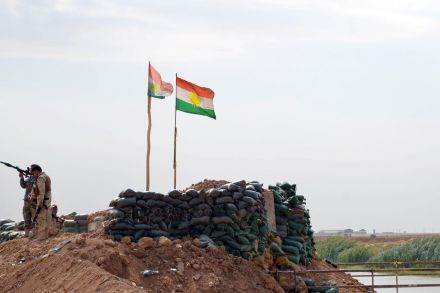
The threat from Daish, the Arabic acronym for the so-called Islamic State in Iraq and Syria, has gone from a side issue to a central imperative, judging by discussions with Kurdish leaders on my four fact-finding trips to the Kurdistan region in the last year. Last November, I was told how Daish operatives were assiduously measuring building sites in Mosul in an extortion racket. In February, I learned of their external funding and their continuing growth. In June, they captured Mosul with a small force that immediately acquired thousands of adherents, and established a 650-mile border with the Iraqi Kurds. The major shock, though, was how quickly the Iraqi Army had 'disappeared in a puff', as the governor of Kirkuk put it to me in his office in the city.

Winter is coming – the other terror stalking Iraqi Kurds

From our UK edition

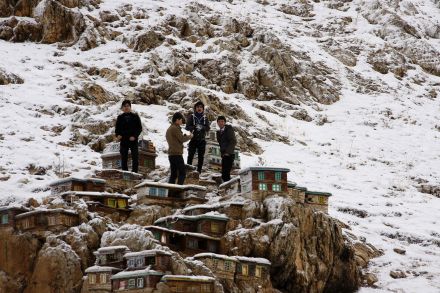
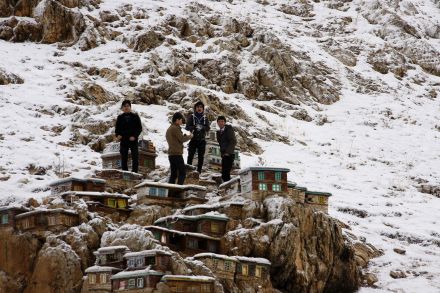
The heroic Kurdish resistance in Kobane rightly commands headlines. A larger disaster, however, looms in Iraqi Kurdistan where - absent urgent action by the UN and Iraq - thousands of vulnerable people who fled from the Islamic State (Isis) could die in weeks from cold-related illnesses. It was comfortably warm in the Kurdish capital of Erbil last week, but in December temperatures will drop to below zero in the cities and much lower in the mountains. The warmth made the makeshift camp I visited in the Christian enclave of Ankawa look almost bearable. It occupies a public park and houses 50 families, mainly Christians from Mosul, in increasingly threadbare tents. Soon, torrential rain can be expected to turn the hard ground here into a muddy lake, soaking everything and reducing hygiene.