Fredrik Erixon

Greece’s service economy is no match for Germany’s mercantile one

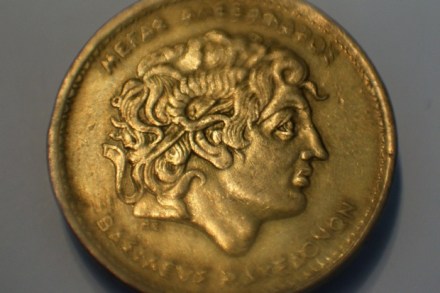
It sounds a bit odd these days but economics was actually invented by the Greeks. Back then, in ancient Greece, the ethos of economics was to keep the house in order and generally manage finances in a way that would make Wolfgang Schäuble blush with embarrassment for extravagant habits. Now economics is about to get a new meaning for Greeks. Perhaps not a science, but Greekonomics is now the art of killing an economy softly. The Greek tragedy is not that it teeters on the brink of default. Greece is going to get its deal – and its euro membership will live to die another day. The deal that is fleshed out in Brussels now will just help to push the country to the next time it needs financial support to pay its creditors.
The Eurozone crisis is as much a political problem as it is an economic one

Veterans of Eurozone crisis summits, hoping for another nail-biting drama, had queued to get ringside seats. But yesterday’s meeting over Greece with Eurozone Finance Ministers ended without result. And you shouldn’t be surprised. We’ve been here many times before – Eurozone committees keep minutes but lose hours – and this was not a meeting during which decisions were to be taken. While some Eurozone watchers have convinced themselves that there is now a new script for Greece’s relation with its Eurozone creditors, no Eurozone government but the Greek share that view. It’s not just that other capitals are hostile to Greece’s own game plan of forcing other governments to make a new decision about its debt terms.

This time next year Greece will be out of the euro or Syriza will be out of power

There has been much interest in the European Central Bank making a new call on Greek government bonds, saying that 'it is currently not possible to assume' the bonds to be safe assets once the bailout programme expires. This is as you might expect: after all Yanis Varoufakis, the new Greek Finance Minister, has been touring European capitals this week to remind creditors that Greece is bankrupt. Yet markets and Twitter – our two modern messengers of truth – 'spooked', along, of course, with the poor souls who thought Greece’s Attica or Piraeus banks to be worthy an embrace by their savings. Loans to the Greek government fetch a 9.7 per cent rate of interest - in comparison to German, British, and even French levels of less than 2 per cent.

Syriza’s rule will be short-lived: the EU will never give what it wants

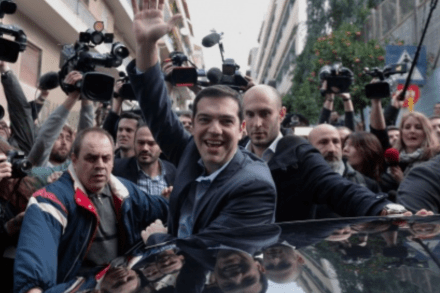
So Alexis Tsipras is Greece’s new Prime Minister. Syriza, the extreme-left party he leads, may end up (just) short of an overall majority. But it won a landslide today - and no one will stand in the way for making government policy of its party programme. This means we're guaranteed turbulence ahead, both in Greek and Eurozone politics. Syriza is no club for chic leftist posturing, nor is it a discussion circle for grey-haired Marxist academics. It is a coalition of hard and soft communists, violent and peaceful revolutionaries, eco-warriors, radical socialists and a hotchpotch of lefties that think it is an act of fascism to take away bonuses to public servants for washing their hands.

Europe’s illusory deal

After Merkel’s decision to allow Eurozone funds to be used to bail out Spanish and Italian banks, the press tomorrow may declare – yet again – that some kind of breakthrough has been reached and that the Teutonic queen of austerity has been forced down from her throne. But, as ever with the Euro summits, there is less – far less – than meets the eye. Here’s my take:  1. Growth pact. Any pact representing no more than 0.0096 per cent of Eurozone GDP is hardly going to have a discernible effect, so let’s not pretend otherwise. 2. About those no-strings bailouts. It seems countries can access bailout funds without conditions forcing more austerity, as long as they comply with the Stability and Growth Pact.