Is No 10 going to war against the civil service?
14 min listen
.


Fraser Nelson is a Times columnist and a former editor of The Spectator.
14 min listen
.
41 min listen
As Sinn Fein enters coalition talks with Fianna Fail, economist Fredrik Erixon writes that the encroachment of fringe parties on the mainstream is a part of a wider European trend. What's more, he argues that the only the mainstream parties that adapt can survive. On the podcast, Fraser Nelson bats for Fredrik's thesis, and debates with Anne McElvoy, senior editor at The Economist. Plus, is citizenship a privilege that can be revoked, or a right to anyone who identifies as British? Earlier this week, a group of Jamaican nationals - all of them holding criminal records - were due to be deported.
20 min listen
.
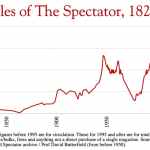
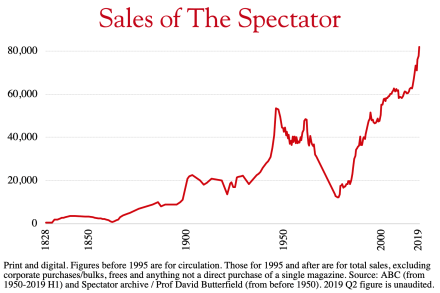
A few months ago, The Spectator became the fastest-growing current affairs magazine not just in Britain but in Europe. Magazine industry figures are out today and we’re delighted to announce that in the second half of last year, each issue of The Spectator sold 83,020 copies, up 8.9 per cent on the year. This is an average for the six months: the figure now is significantly higher. In April, we’ll become the first magazine in the history of publishing to print a 10,000th issue: we’ll do so with sales at an all-time high. What’s driving our success? We have the best writers – Rod Liddle, Matthew Parris and Charles Moore, to name just a few – and let them write what they want. We have the best (and most beautiful) books and arts pages.
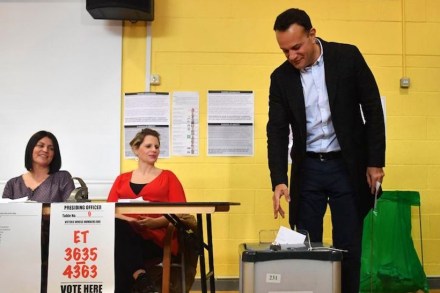
You know the story. A Prime Minister takes a tough line on Brexit talks and holds a snap election thinking voters will be impressed - instead, they don't care and it ends in disaster. It happened to Theresa May in 2017 and it just has happened to Leo Varadkar. The votes are still being counted, but it's clear that no party has a majority, or anything close to a majority and that Varadkar's gamble failed. Support for his Fine Gael has plunged and a stunning Sinn Fein surge has changed everything. It's not just that Sinn Fein won most of the first preference votes. For decades, Irish politics has been divided between Fine Gael and Fianna Fail. Now, the big two are a big three - which means none of them are near power. It's new territory for Ireland.
In the end, it took just over a week for Prince Harry to announce and finalise the terms of his exit from the royal family. But Queen seems to have told him that, while he's free to leave the firm, out means out. He and Meghan have agreed to give up their 'royal highness' titles so they will "no longer be working members of the royal family". Their idea of being hybrid royals, "collaborating" with the Queen, has been politely but firmly quashed. They’ll perform no more royal duties and – ergo – receive no more taxpayers’ money. Moreover, they’ll refund the £2.4 million cost of refurbishing Frogmore Cottage outside Windsor, which they’ll keep as their UK home.
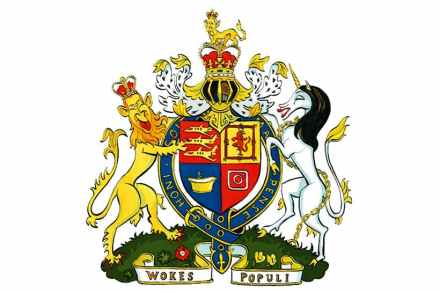
The night before our last issue went to press, I received a message from the Prime Minister saying that he was sorry, that he had hoped to write the diary but couldn’t find time. No problem, I replied, he’d just seen off Jeremy Corbyn and had a Queen’s Speech to agree and deliver and our print deadline was 10.30 a.m. At 7 a.m. the next morning, I woke up to find a new message ‘Have done diary. Am finishing now.’ At 10.20 a.m.: ‘It’s done. 860 words.’ Then another message: ‘Still in car.’ At 10.28 a.m., with two minutes to go, I gave up hope. Then, at 10.29 a.m., it landed, word-perfect. Boris Johnson likes to take things close to the wire, often to the despair of those around him.
In all the madness of last year, we had to delay The Spectator's Parliamentarian of the Year awards until later this month. The first step is to agree the categories. Last time, we had "Resignation of the Year" - such a hotly-contested category that it had to be shared between David Davis and Dominic Raab, the first two Brexit secretaries. So what categories this time And any nominations? Suggestions, please, not on the comments but to editor@spectator.co.uk. A pair of free tickets for the best one.
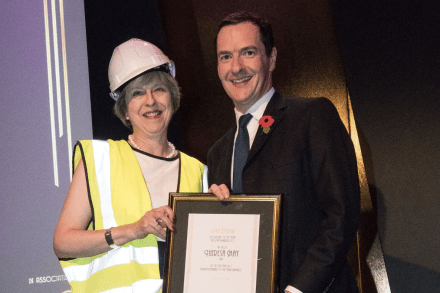
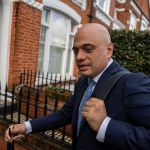
The next Budget will signal some pretty big changes in the way government spending is distributed, with investment directed towards the parts of the country that have tended to be denied it. The shift in policy was first disclosed by the Prime Minister to James Forsyth and Katy Balls in an interview during the election campaign. The Treasury, he said, judged potential infrastructure projects in a way that always tended to point investment to London and the South East. 'I take a different view. That this country is so underprovided for in brilliant infrastructure that you can make a good business case for many things.' A few days later, Sajid Javid elaborated on this argument in an interview with me, only part of which was published in the magazine.
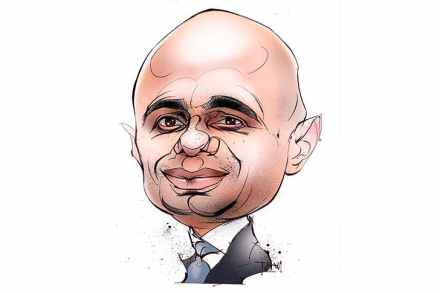
Is a wind of change blowing in the Arab world and bringing Muslims and Jews closer together? Ed Husain made the case for this in an article in our Christmas special issue: a younger generation is tiring of the hardliners, he said, asking what all the angst has achieved and wondering if Israel might be a decent ally for the Arab world. His article explored what he described as new maps of the Muslim mind, with 'old hatreds on the run'. It drew predictable criticism from some quarters: surely this is wishful thinking, and his narrative of reconciliation has no real support in the Middle East? But that critique was blown apart a few days ago when the article was tweeted by the Emirati foreign minister, Sheikh Abdullah bin Zayed, to his four million followers.
As a lifelong Europhile, I rather liked the love letter to Britain from Frans Timmermans, vice president of the new European Commission. We in this country do love Europe, its people, its culture, its quirks, its diversity. Never has Britain been integrated more closely with the rest of Europe, never have we done more trade, never have more Brits lived in Europe and vice versa. The links between our peoples have never been stronger - and, after Brexit, will become stronger still. The idea of a union of governments, however, was not a model that worked for the UK: that much was decided in a referendum and reinforced in two general elections. It’s nothing personal against Europe or the likes of Timmermans. We just value the ability to elect (or boot out) the people who make our laws.

As we reach the end of an incredible year, we at The Spectator are delighted to announce our latest sales figures: 81,900 for the third quarter of this year. That means we close this decade with sales up 43 per cent, in a magazine market that has declined by 63 per cent. Not bad for the world’s oldest weekly. And while we have a lot of digital-only sales, our print sales are also at all-time high: so digital is driving the success of print. There has been an avalanche of political news in Britain, but the same is true all over Europe. So we looked at 36 European current affairs magazines over the last five full years (2013-18) using the standard industry figures.
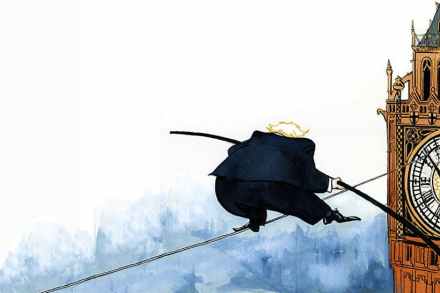
If Boris Johnson wins next week, it will be on a manifesto of change. He will not deliver the fourth term of the same Tory government, he says, but a new agenda guided by a new philosophy — and the big difference will be spending. Gone are the days when Tories defined themselves by a determination to balance the books. Sajid Javid, the Chancellor, promises a ‘new economic plan for a new era’, which would mean investment on a scale that would have made George Osborne baulk. Providing, of course, that his party is still in government by the end of the next week. ‘There is a path to victory,’ he says when we meet while he is campaigning on the outskirts of Birmingham. ‘But it’s a narrow path.

With YouGov’s MRP model pointing to a 68-seat Tory majority, Conservative voters might think they have pretty solid ground for optimism. But as I say in my Daily Telegraph column today, things can still go wrong for the Tories. Here are my reasons to be fearful:- The Labour vote has grown since the election was called. Anti-Semitism charges are nowhere near as harmful for Labour as people in Westminster think. Yes, Jeremy Corbyn is having a torrid time of it on the campaign trail – the Chief Rabbi is now out against him – but this is not translating into any decline in Labour support. I had a letter from a reader this morning saying he’s cancelling his subscription because ‘I have become an anti-Semite in my views on Israel.
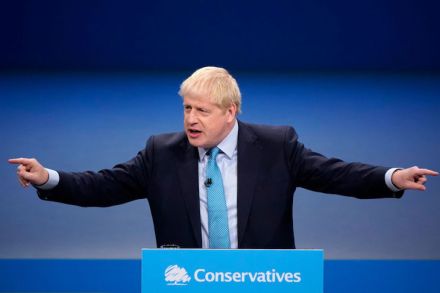
This was not just the best speech that Boris Johnson has given since becoming Prime Minister, it’s the first proper weapons-grade speech that he has given since running for the job. It showcased his gift of communication, his ability to mobilise language to uplift, enthuse and motivate. To convey a sense of cheerful mission - even when it comes to Brexit and correct the tone: seek to replace the acrimony with optimism. To say that we love Europe but after 45 years of constitutional change we need a new relationship with it. It showed use of comic metaphor. 'If parliament were a laptop, the screen would be showing the pizza wheel of doom… if parliament were a reality TV show then the whole lot of us would have been voted out of the jungle by now.' https://www.
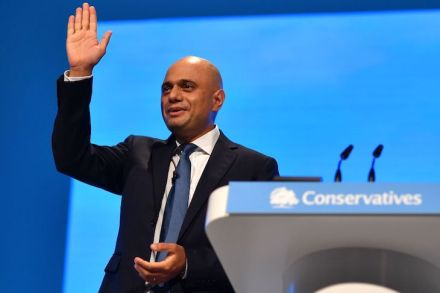
Sajid Javid hates identity politics and has spent most of his political career avoiding it. But his speech today showed how effective he can be when he discusses his own life story. Having his mum in the hall was quite something: this is a woman who grew up in poverty in the Punjab and came to Britain with nothing. She now looks at her son as Chancellor of the Exchequer. This is what Michael Howard referred to as the “British dream”. She thought it was a big deal when the first Asians moved into Coronation Street, he said: now they’re in Downing Street and still “living above the shop”. And then he spoke to her in Punjabi, asking if she remembers his dad’s first shop which was about a mile away from where he’s standing.
Michael Gove stands in front of an empty throne in the magnificent Cabinet Office room. George III was the last monarch to use it and there it has stayed, beneath his portrait. For a second, it looks like Gove is about to sit in it and grant us an audience, but he’s only leaning over to show off the royal crest. At the other end of the room stands a large television which, a few hours before we meet, was used by Gove and other ministers to watch Tuesday’s Supreme Court ruling. From the madness of King George III, to the humiliation of Boris Johnson. As the minister in charge of no-deal planning, it’s Michael Gove’s job to tell everyone that — in spite of everything — Britain really is leaving the European Union on 31 October.
‘How have you been?’ David Cameron asks, bounding up to meet me. Fine, I say, then make the mistake of asking him the same question. His face drops. ‘Oh,’ he says. ‘Well. So-so.’ Watching the political news, he says, has been getting him down (in a way it didn’t when he was in office) and if you’ve picked up a newspaper in recent days, you’ll know why. His memoir, For the Record, is out and the extracts make it sound like a 700-page apology note to the nation. He’s sorry for the referendum result. Sorry for what came after. And above all, sorry for letting villains like Boris Johnson and Michael Gove get away with it. Standing in his jogging kit, fresh from his morning run, the former prime minister still looks a bit deflated.
How is Britain seen by outsiders? What marks us out? Humour, self-deprecation, our changing weather, frequent cups of tea. But there’s something else that foreigners say after a spell here: the UK is a place where couples without children worry about where their unconceived children will go to school. As a Scot, I used to think this a bizarre English affectation — until my eldest son announced he’d like to join his friends and take the Eleven Plus set by grammars and private schools. Would I let him? Only then did it dawn on me why prep schools get their name: to prep children for this specific exam.
How is Britain seen by outsiders? What marks us out? Humour, self-deprecation, our changing weather, frequent cups of tea. But there’s something else that foreigners say after a spell here: the UK is a place where couples without children worry about where their unconceived children will go to school. As a Scot, I used to think this a bizarre English affectation — until my eldest son announced he’d like to join his friends and take the Eleven Plus set by grammars and private schools. Would I let him? Only then did it dawn on me why prep schools get their name: to prep children for this specific exam.
