Francis Ghilès

Francis Ghilès is a senior associate researcher at the Barcelona Centre for International Affairs. He was the North Africa correspondent for the Financial Times from 1977 to 1995.

The Tunisian paradox

From our UK edition

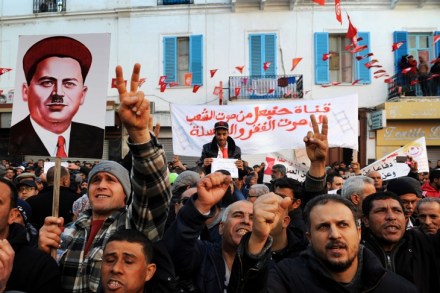
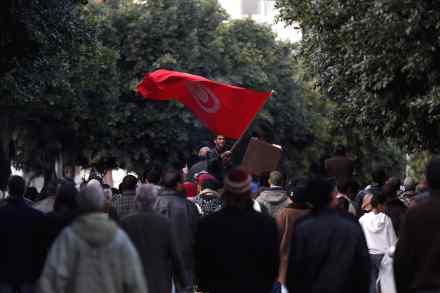
‘We swore to defend the constitution,’ shouted the deputy speaker of the Tunisian parliament, to which a young soldier retorted, ‘We swore to defend the fatherland’. This exchange in front of the locked gates of parliament last month sums up the paradox of Tunisia. President Kais Saied’s decision a few hours earlier to dismiss his government and suspend parliament had enraged the Islamist speaker and his deputy, who sought to enter the building now guarded by armed troops. Yet tens of thousands from every social class poured into the streets of Tunisian towns and villages, shouting their support for Saied.
An insight into the medieval Muslim mind

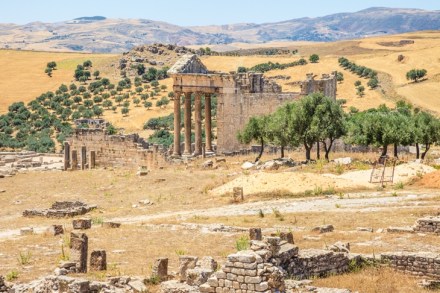
  At a press conference in October 1981, Ronald Reagan quoted Ibn Khaldun (1332–1406) in support of what is known as supply-side economics. Although the 14th- century politician and thinker wrote extensively about economics and was almost unique among medieval Arab writers in so doing, it is quite ‘marvellous’ writes Robert Irwin, the author of a new intellectual biography of this famous North African, that he ‘should have anticipated American Republican party fiscal policy’.

Seven years after the Arab Spring, Tunisia faces an uncertain future

From our UK edition

If Tunisia’s elite continues to fiddle while Carthage burns, the only fledging democracy in the Arab world risks self destructing or reverting to some form of authoritarian rule. It is seven years since the fall of the dictator Ben Ali. His fall decapitated the predatory ruling family and legalised political parties, not least the Islamist party Nahda. And it sparked revolts across the Arab world. However Tunisia faces a real revolution unless its leaders articulate and enact bold economic reforms which offer desperately needed hope to the country’s mass of unemployed and ill-educated young people. The freedom of speech that followed the end of the old authoritarian regime has today too often morphed into freedom to blackmail and insult.