Francis Buckley

Francis Buckley is a former speechwriter for Donald Trump

January 6 has turned Trump fans into NeverTrumpers

From our UK edition

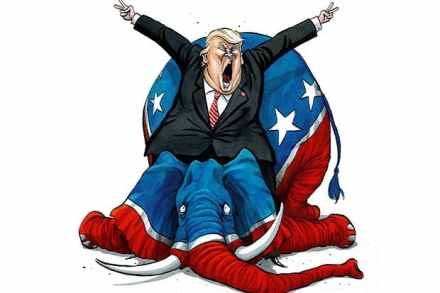
The 6 January hearings are a bit of a kangaroo court, since no one is trying to poke holes in the witnesses, as a barrister would do. Still, the picture that has emerged of a rage-filled narcissist in the White House is so devastating that it’s made Never Trumpers out of former Trump supporters. That might seem to hurt the Republicans, but it would be to the party’s advantage if it keeps Trump out of a 2024 race that he would probably lose. The hearings might thus end up biting the Democrats. The hearings have also had the unintended effect of making heroes out of the Republicans who’ve stood up to Trump, Mike Pence in particular.

The European Union can’t fix its gas problem

From our UK edition

Over a 20 year period, former German chancellors Gerhard Schroder and Angela Merkel, handed Russian President Vladimir Putin a vice-like grip on Europe’s energy security. Schroder, who enjoyed a well-publicised bromance with Putin, oversaw the start of Gazprom’s Nord Stream 1 gas pipeline. With unseemly haste, soon after he stepped down as chancellor, Schroder became chairman of Nord Stream AG’s shareholder board. Schroder’s successor Angela Merkel — the Russian speaking daughter of a Lutheran pastor who joined the East German communist youth party in her teens — was equally accommodating.

No, America couldn’t have been Canada

From our UK edition

What if William Howe, the dithering British commander, hadn’t let the American army escape in the Battle of Long Island in 1776? What if he had nipped the whole damn thing in the bud? In that case, as dual Canadian-American citizen Adam Gopnik complains in the New Yorker, 'We Could Have Been Canada'. That’s not exactly a hill to die on, but it’s catnip for other dual nationals such as Malcolm Gladwell, who some years back produced an amusing plea for Canadian World Domination in the Washington Post. Gladwell wrote that in 1993. Gopnik’s essay is more recent. The earlier essay was light-handed and witty. Gopnik’s was ponderous and dry. But the big difference was the snotty anti-Americanism that Gopnik’s readers in the New Yorker have come to demand.