Francesca Steele

Oscars 2015: Neil Patrick Harris took it too far

From our UK edition

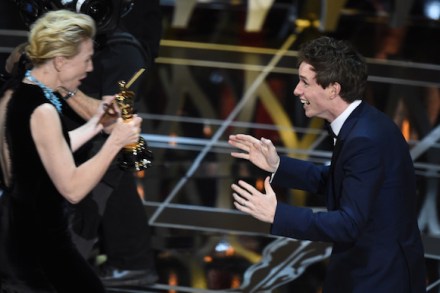
Birdman soared past longtime favourite Boyhood at the 87th Academy Awards, as Alejandro González Iñárritu's hilarious Hollywood satire unexpectedly took both of the top prizes - best picture and director - and joint top number of awards overall, in a slightly awkward ceremony where many of the host's razor-edged jokes drew clear disapproval from the audience. While many were predicting a slightly irreverent evening, Neil Patrick Harris, a veteran host of the Tony Awards, arguably took his jokes at the podium too far.
Leviathan: the anti-Putin film the Russians tried to ban that’s tipped for an Oscar

From our UK edition

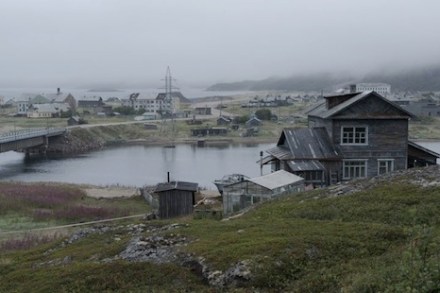
The funny thing about a film like Leviathan, which many expected to win the Palme d’Or at Cannes earlier this year (it didn’t), is that suddenly an awful lot of people become experts in things they knew nothing about before reading the press notes. Some people may be familiar with the Bible’s Book of Job, of course, and with Leviathan, the sea monster used to demonstrate to Job the futility of questioning God. Several may even have read Thomas Hobbes’s tome of the same name about conceding power to the state. A few may genuinely be well-versed in both. A big pat on the back to them. They read a lot.

Ferdinand Kingsley interview: ‘Yeah, but mum’s dad was totally bald too!’

From our UK edition

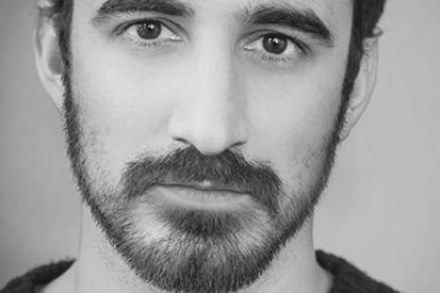
The day before I’m due to meet Ferdinand Kingsley, actor son of Sir Ben, he sends me a message to introduce himself via Twitter. ‘I’ll try not to be a complete a***hole!’ he quips merrily, for absolutely no reason at all since I hadn’t actually imagined that he would be. Does he normally behave badly during interviews, I query, suddenly hoping rather mean-spiritedly that he does. I can see the ‘thespian heir acts up’ headline already. ‘Oh, yeah, I’m a total moron.’ Sadly, Ferdy Kingsley, 26, is, in this regard, a disappointment.

The Venice Film Festival from your desk

From our UK edition

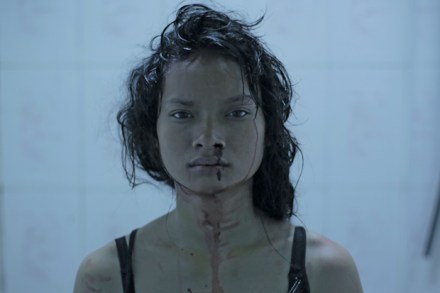
Venice may be the oldest film festival in the world but it is still breaking new ground. This week film-lovers across the globe will sit down in the comfort of their own homes to watch films that are being streamed live from the Lido. It is the second year of Venice’s Web Theatre; this offers members of the public the chance to buy tickets to stream films  — picked largely from the festival’s Horizons section — at the same time as festival attendees see them on the big screen (www.labiennale.org for details). Horizons, though not the main category in the festival, still has some worthwhile films to watch. Wadjda, the hit Saudi Arabian film, was one of last year’s gems.

Punchdrunk’s bizarre spectacle

From our UK edition

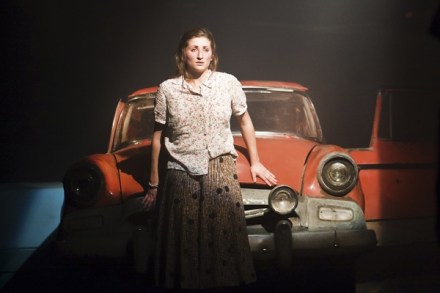
Standing enthusiastically by as a naked man writhes in agony might not be everyone’s cup of tea. But this is the sort of bizarre spectacle that devotees of immersive theatre group Punchdrunk sign up for. Like previous efforts including 2007’s The Masque of the Red Death, Punchdrunk’s latest venture, The Drowned Man: A Hollywood Fable, requires theatregoers to don masks and chase actors down disorienting, low-lit passageways, happening haphazardly upon non-sequential ‘scenes’. Rummaging is encouraged, talking is not. And every individual sees something different. The Drowned Man (playing until 31 December; www.nationaltheatre.org.uk) is a delirious fever-dream, replacing dialogue with dance and abandoning most audience/actor interaction.

Selling secrecy

From our UK edition

In the ‘psychotherapy ward’ of a secret venue somewhere in east London, watercolour portraits of troubled male faces line the wall. Nearby in the ‘court-room’ a sound installation broadcasts an ominous tick-tock into the airy acoustics of a large hall, while the ‘Warden’s Office’ below is furnished by quilts handmade by inmates. This is Secret Gallery, the latest venture from the company behind Secret Cinema, which stages immersive screenings of celluloid classics (kept secret until the screening itself) that have so far included Blade Runner, The Red Shoes and now The Shawshank Redemption, Frank Darabont’s cult tale of prison injustice.

Dressed to impress

From our UK edition

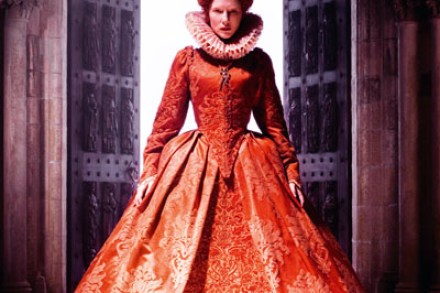
Does the costume make the man or the man the costume? Well, a little bit of both if the Hollywood Costume exhibition at the V&A is to be believed. Five years in the making, this collection of more than 100 of the most iconic outfits in movie history, from Scarlett O’Hara’s green ‘curtain’ gown to Darth Vader’s suit, is a bold undertaking. The very nature of motion pictures means that there is something a little ghoulish about seeing static ensembles, with the clothes divorced from their character and digital images of famous faces floating above them. But movie-goers have an insatiable appetite for anything that gets them closer to their idols and there is something thrilling about being in such close proximity to items we know so well.

21st-century Disney

From our UK edition

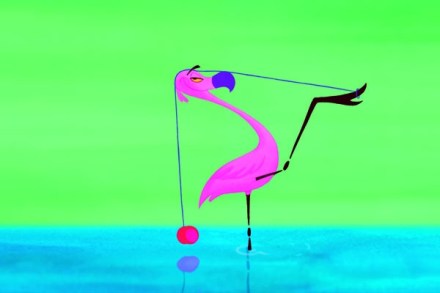
When, in 1940, Walt Disney released Fantasia, his radical arrangement of animations set to classical music, he fancied that he might add new segments to it every few years so that it could grow with its audience. Alas, it was not to be. The cost of installing the new ‘Fantasound’ technology in cinemas, plus a public mood made inhospitable by war, meant that his fantasy was soon a box-office flop. So he would, no doubt, have been delighted to see Fantasia, accompanied by the London Philharmonic Orchestra, moving with the times 72 years later, as part of the Royal Albert Hall’s Live in Concert series.

Wheels of change

From our UK edition

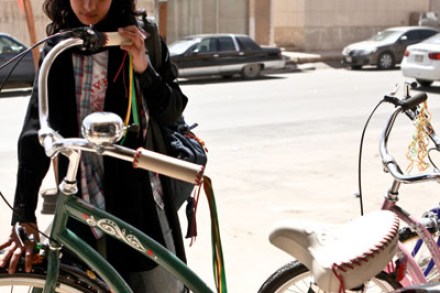
Bicycles can be powerful images in cinema. Like the 1948 masterpiece Ladri di Biciclette, Wadjda, the first film ever to be filmed in Saudi Arabia, is about a child and a bike. But whereas two wheels in Vittorio De Sica’s brutally neorealist film represented the shackles of poverty, here they embody freedom. Or at least the whisper of it. Wadjda, which will be screened at the London Film Festival on 11 and 14 October, has at its helm Saudi Arabia’s first female director, Haifaa Al-Mansour. This is a feat not just because this is a country where women are not allowed to drive (Al-Mansour often had to hide in a van while filming in Riyadh), but also because cinemas themselves have been largely banned in the gulf kingdom for 30 years.

Culture notes: 00 heaven

From our UK edition

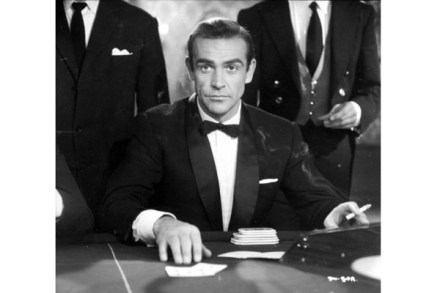
It took Ian Fleming just eight weeks to write his first James Bond novel but the legacy of his eponymous spy has been far less fleeting. Fifty years after 007 first made it on to the big screen in Dr No (see Sean Connery, above) a Barbican exhibition is celebrating with a stunning display of Bond gadgets, clothes and paraphernalia, such as Jaws’ metal teeth (until 5 September). Designing 007: 50 Years of Bond Style has more than 400 such items, playfully arranged in rooms recalling Bond’s own stomping ground: a casino, M’s office, and so on. There is Ursula Andress’s white bikini, Scaramanga’s golden gun, even an Aston Martin DB5, although sadly the Sean Connery leaning nonchalantly against it is a replica.

People like us | 3 March 2012

From our UK edition

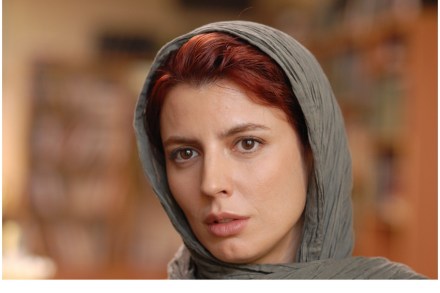
This week A Separation, Asghar Farhadi’s deceptively simple domestic drama, added the Oscar for Best Foreign Language film to its trophy case. Its success abroad has been attributed largely to its universally recognisable premise; unlike much Iranian cinema, Farhadi’s film feels modern, offering an intimate snapshot of social divisions in present-day Tehran. Most Western audiences will spend the first five minutes, in which we see a husband and wife asking a judge for a divorce, marvelling at just how like us these people seem. The film’s style feels familiar, too. As in Ingmar Bergman’s Scenes from a Marriage (which Farhadi openly admits to imitating), the camera is close-up, inquisitive rather than didactic. Morality, even the truth, seems to be subjective here.