Fergus Butler-Gallie

The Reverend Fergus Butler-Gallie is is a Priest and writer. His latest book is Twelve Churches: An unlikely history of the buildings that made Christianity.

Why Remembrance is a privilege as much as a duty

From our UK edition

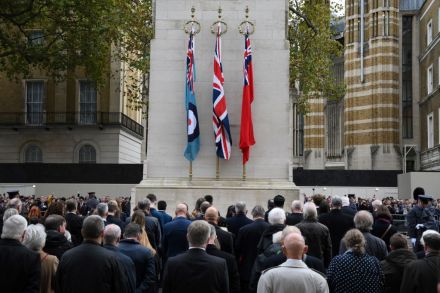
It was exceptionally cold, that strange Armistice day. I was used to spending the two minutes silence squinting into the winter brightness at college memorials or in English country church yards. Mid November is rarely freezing cold in the UK: it is often cold and crisp, the temperature is just enough time to stand outside whilst sunlight dances on stone memorials. Prague, however, where I spent that strange Armistice day a decade ago, is very different. Eleventh November is the feast day of St Martin of Tours, the patron saint of soldiers and the Czechs have a saying which alludes to the typical Central European weather on Armistice day: ‘St Martin comes riding a white horse’.  Snow did indeed fall that day.
Has the American novel abandoned God?

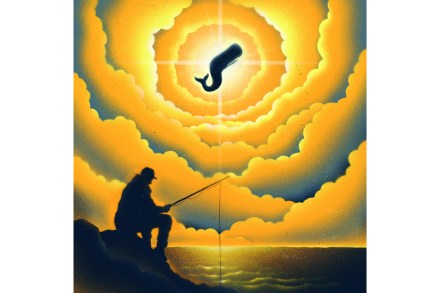
I have always thought “Call me Ishmael” to be a rather camp introduction to a novel. Given the line’s conspiratorial intimacy, I have long imagined it whispered by a drag queen in a dive bar at 3 a.m. This, however, is the fault of my own unseriousness. The resonance of the name Ishmael — Abraham’s illegitimate son by Hagar who is destined to wander the desert — remains the opening example of one of the clearest, cleverest and most consistent of themes in Herman Melville’s magnum opus Moby-Dick, namely, the quest for God. Religion runs through Moby-Dick. We might almost say that the Bible haunts it. There are the names, mostly of Biblical characters, and even the direct invocation of prophets: Ezekiel, Elijah and, of course, the ur-whale wrestler, Jonah.

God

The depressing rise of the cathedral gimmick

From our UK edition

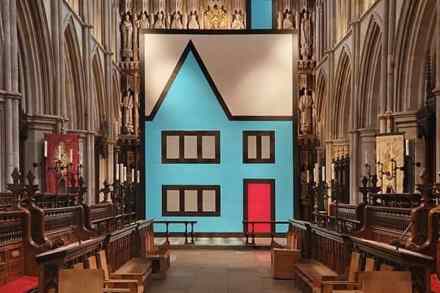
They say that shopping centres are the cathedrals of late capitalism. It is amusing sometimes to think of future generations shuffling reverently around the monumental structures of glass, faux marble and strangely treated wood as if they were structures worthy of awe or wonder, perhaps pausing to peer at the tracery of a former Burger King. Westfield, London’s great temple that looms over Shepherd’s Bush, is an example of this genre I find particularly stressful. It is an endless cavalcade of stimuli: flashing adverts, muzak ricocheting off intensely polished surfaces, bright lights and endless, endless stuff to buy. We are not even spared olfactory assault, as the artificially intensified scents of everything from soaps to cinnamon buns are pumped into our nostrils.

What the Tory candidates’ logos say about them

From our UK edition

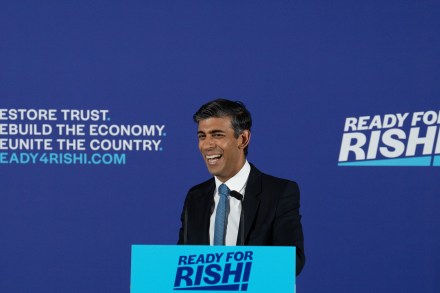
There’s a particularly amusing picture from the 1997 Tory leadership contest of Ken Clarke and John Redwood awkwardly paired up under a blue sign with the words ‘Uniting to Win’ on it. Though their campaign for power was forgettable, uniting to lose against William Hague of all people, they can take solace in being an unlikely pair of trend-setters. Theirs was the first use of a logo and slogan in an internal party contest, the start of a succession of design shockers on the British public ever since. The standard of this year’s leaders’ logos shows a slow decline. Back to basics would be a fine thing. Most slogans have been comically dire.

In defence of meddlesome priests

From our UK edition

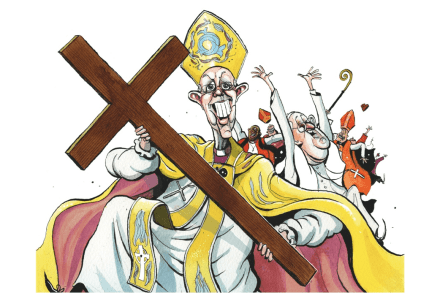
The British constitution is best understood as a dinner party. Imagine the key institutions of national life personified and sat around a table debating the issues of the day. True, as you and I picture this scene it is now a little late in the evening, the surroundings are worn and some hitherto unheard voices are beginning to loudly bark above the polite murmur of the older interlocutors. But the conversation carries on. One of the longest-standing participants in this national conversation is the Church of England; indeed, perhaps only the Crown has been part of it for longer. The traditions of Toryism and liberalism are comparative newcomers, Labour even more so. The BBC and the NHS have barely graduated from the children’s table.

The Covid trap: will society ever open up again?

From our UK edition

44 min listen

Governments around the world have adopted extraordinary powers to deal with coronavirus – but could they end up doing more damage than good? (01:00) Next, is the best way to deal with the threat of Scottish secession to negotiate a hypothetical Scottish exit deal? (16:04) And finally, are Britain's graveyards suffering a spate of indecent behaviour? (31:38) The Spectator's deputy political editor Katy Balls is joined by historian Johan Norberg and the Wall Street Journal's Gerard Baker; The Spectator's political editor James Forsyth and Scotland editor Alex Massie; and journalist Andrew Watts alongside the Revd Fergus Butler-Gallie. Produced by Gus Carter, Max Jeffery and Sam Russell.