The tug of war over the Rosetta Stone
From our UK edition
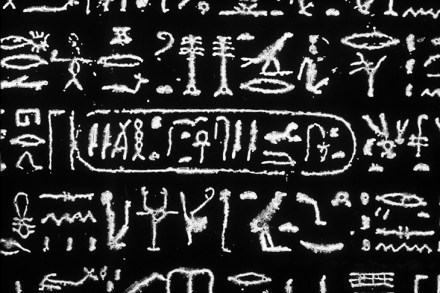
The Rosetta Stone is the icon of decipherment. As one of the most popular objects in the British Museum, its irregular shape and the once white-on-black of its three scripts — hieroglyphic, demotic, Greek — are distinctive enough to sell countless socks, keyrings and nail files in the museum shop. The stone’s marketable popularity testifies both to the allure of hieroglyphs, including a persistent orientalising idea of their ‘mystery’, and the seemingly miraculous achievement of code-breaking. The latter is most associated with the two men of The Riddle of the Rosetta’s subtitle: the ‘English polymath’ Thomas Young (1773-1829) and the ‘French polyglot’ Jean-François Champollion (1790-1832).