Elizabeth East

Elizabeth East is a writer, lawyer and PhD student of linguistics.

Prince Harry’s ‘Americanisms’ are no such thing

From our UK edition

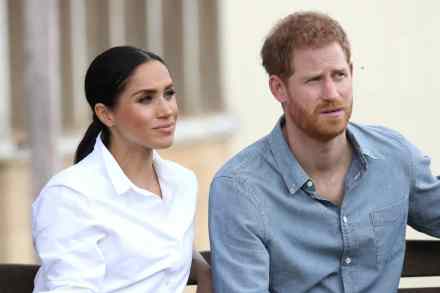
Ever since Prince Harry moved to Los Angeles, royal commentators with an interest in the English language have been watching what he says. He may have walked the walk but has he also started to talk the talk? In October 2020, the Mail ran a piece headed ‘Prince Harry calls opening the bonnet 'popping the hood' as he picks up Americanisms after seven months in US with Meghan Markle’. In May 2021, the Express announced 'Prince Harry swaps Queen’s English for Americanisms in desperate bid to "be liked"', gasping that 'Prince Harry has dropped elements of his cut-glass English accent in favour of Americanisms'.

The art of the non-apology

From our UK edition

'Johnson apologises for lockdown garden party' announced the Times on Wednesday. But did he? It’s quite a skill, the non-apology, and our Prime Minister is a non-apologiser par excellence, the Nureyev of not really meaning it. Academics working in conflict resolution have analysed what makes a good apology and come up with six elements: expressing regret, explaining what went wrong, acknowledging responsibility, declaring repentance, offering repair and requesting forgiveness. In response, I offer you here six ways to make sure your apology is as empty of content as a wine bottle after a Downing Street garden party: Make it conditional Or what the comedian Harry Shearer calls an 'Ifpology' (as in I’m sorry if…).

What’s the problem with ‘literally’?

From our UK edition

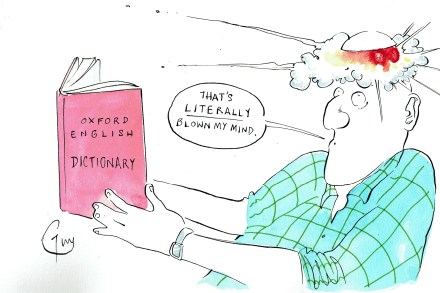
How does the word 'literally' make you feel? For a lot of language-lovers, the answer will be somewhere between mildly irritated and fist-gnawingly furious. It’s the misuse of the word that most perturbs. It has a habit of lurking where it has no place to be, taking a perfectly acceptable (if conventional) metaphor and turning into nonsense. Metaphors are figurative, for heaven’s sake, say its detractors. If that’s how you feel, you’re far from alone. We all have our stylistic preferences, so I’m not going try to convert you to the ‘literally’ cause. But I do wonder why this particular word used in this way gets so many people so angry. It can’t be because it’s new.

In defence of the word ‘so’

From our UK edition

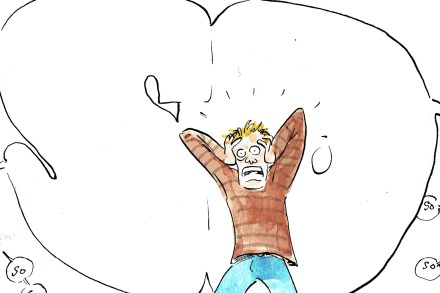
Much has been written in these pages about the modern tendency to start sentences with 'so'.  It's been called an ‘irritating adornment’ portentously announcing the arrival of a new thought but adding nothing to its expression. I often find myself opening sentences with ‘so’ and I feel entirely relaxed about it. ‘So’ has a long history. Shakespeare’s Duke of Gloucester may not have said: ‘So, now is the winter of our discontent Made glorious summer by this sun of York’ but his Tarquin (in The Rape of Lucrece) had no such linguistic scruples: ‘“So, so”, quoth he, “these lets attend the time, Like little frosts that sometime threat the spring…”’.