How Denmark’s Jews escaped the Nazis
From our UK edition
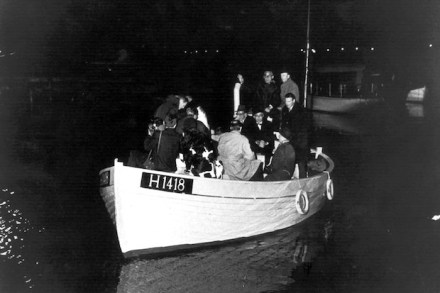
Of all the statistics generated by the Holocaust, perhaps some of the most disturbing in the questions they give rise to are the following. Of the Jews in Hungary, the Netherlands, Greece, Latvia and Poland, between 70 and 90 per cent died, while the corresponding figures for Estonia, Belgium Norway and Romania were between 40 and 50. In France and Italy somewhere around 20 per cent perished. In both Bulgaria and Denmark, however, just one. Bo Lidegaard’s Countrymen is the story of how Denmark to a great extent saved its Jewish population from the labour and extermination camps, but it inevitably raises issues of equal relevance to the rest of Europe.