Daniel Jupp

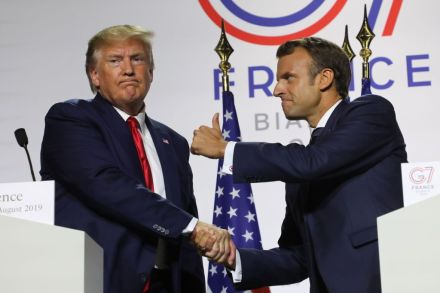
Trump’s bold defiance of Macron’s hate speech charter

In Arthur Miller’s superb examination of the nature of fanaticism, The Crucible, the key moment comes not with the initiation of the Salem witch trials which form the subject of the play, but in the leading character finally and fully rejecting them. The point of crisis comes when John Proctor refuses to sign his name to the condemnation of supposed witches which would justify their horrific punishment. 'How may I live without my name? I have given you my soul, leave me my name.' It is the moment when a man finally finds the courage that is essential to any meaningful masculinity, the courage to defy the absolute consensus of opinion that harms the innocent and taints those who accept it with complicity in evil.
hate speech

‘Doubling down’ is Donald Trump’s greatest triumph

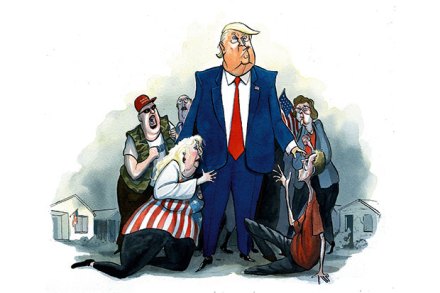
For three years, we have been told what Donald Trump is. We have been told that he is a racist, a xenophobe, a misogynist, a white supremacist, a demagogue, a Russian spy. The charges vary from extreme, unproven and serious to the bizarrely particular and trivial. We have for instance been repeatedly told that it is important that he has tiny hands, or silly hair, or eats McDonald's. Whether or not you agree with the many criticisms of Trump, there is one charge that supporters and detractors admit the truth of: Trump is divisive. But what does that mean? It does not necessarily mean, as the mainstream media always tell us, that he should be hated or considered dangerous. It could just mean that he reveals the deep faultlines in contemporary politics.

doubling down