Cory Doctorow

The coming stitch-up

To look upon a freshly painted wall is to behold a smooth surface; to look at it through a magnifier is to see a rough and irregular landscape — but turn the magnification up sufficiently and see it become regular again, a geometric matrix of atoms held in molecular bonds. Keep magnifying and you enter the unimaginably messy realm of the subatomic, a weird place of eldritch geometries and smeared-out, probabilistic motion. The world is smooth and rough, orderly and messy, all at once, depending on how closely you look.


tangled web

The Big Tech firms are dividing the world between them

From our UK edition

To look upon a freshly painted wall is to behold a smooth surface; to look at it through a magnifier is to see a rough and irregular landscape — but turn the magnification up sufficiently and see it become regular again, a geometric matrix of atoms held in molecular bonds. Keep magnifying and you enter the unimaginably messy realm of the subatomic, a weird place of eldritch geometries and smeared-out, probabilistic motion. The world is smooth and rough, orderly and messy, all at once, depending on how closely you look.
The EU’s bid to police the internet is going badly wrong

From our UK edition

The copyright in the single digital market directive combines the deadliest ingredients in public policy: it is important, boringly complicated, and its effects are a long way off. This week, it was supposed to take a major step towards becoming law, but it has foundered – for now. The directive is largely technical tweaks to European copyright, which were last revised in 2001. But two clauses are so controversial that they've spurred more than four million Europeans to write to the Parliament to object to them and 'save the internet!'. The changes have also been denounced by copyright experts, Tim Berners-Lee, the UN, movie companies and football leagues.

The Anonymous ghost in the machine

From our UK edition

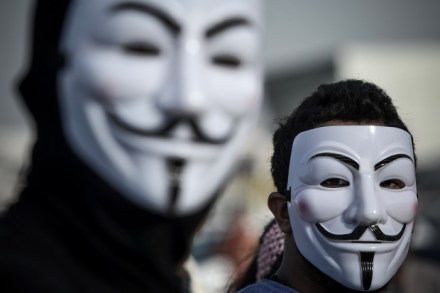
Why would you send an anthropologist — as this book’s author, Gabriella Coleman, is — to study Anonymous, the indescribable hacktivist phenomenon whose operations (‘ops’) and giddy, menacing, profane video-manifestos have seized the media and the public consciousness from 2006 to the present day? Because Anonymous is, above all, an anthropological phenomenon. At first glance, you might think that the Anonymous story — the Guy Fawkes-mask-wearing, meme-spewing, terrifying, hilarious non-collective that hacked the church of scientology, the government of Tunisia, the Serious Organised Crime Agency, and the Pentagon (for starters) — is a story about computer security, or youthful alienation, or political activism.