Christopher Harding

The two faces of modern Japan

From our UK edition

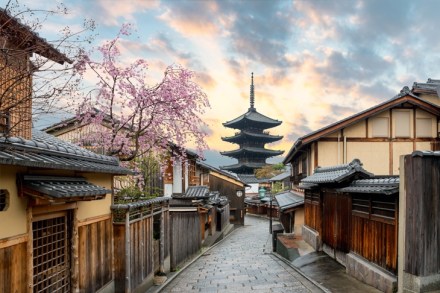
Japanophiles, look away now. A country renowned for inspiring fascination, warm feelings and not a little envy in its rapidly rising numbers of visitors – from crime-free streets to clean and plentiful public toilets – is in the grip of problems deeper and darker than you might imagine. The classic Japan itinerary reveals little of those problems. You’ll enjoy hyper-modern Tokyo with its fabulous restaurants, flawless transport and non-stop shopping and entertainment. You’ll jostle tourists and schoolchildren for the perfect view of the Golden Temple in Kyoto without losing your enthusiasm for Japan’s ‘eternal city’. Then you’ll fly home with pretty much only good things to say about Japan and the Japanese.

Stalemate over Taiwan is the best we can hope for

From our UK edition

The United States of China, anyone? The idea that a federal China might be able to accommodate within it a relatively autonomous Taiwan is one of the more radical solutions mooted to the thorny problem of Taiwan’s status. The difficulty, of course, is that neither the Chinese Communist party nor Taiwan’s leaders would find such an outcome remotely acceptable. The CCP will not countenance a loosening of its control over mainland China; the Taiwanese, for their part, see in Hong Kong’s recent sad trajectory a vision of their own future should their politicians ever accept an offer of special status within China.

India radiates kindly light across the East

From our UK edition

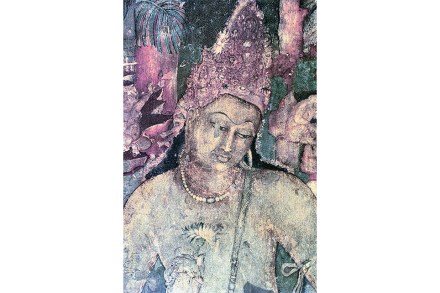
‘Everywhere I could see India, yet I could not recognise it.’ So said India’s great national poet Rabindranath Tagore of South-East Asia, after travelling there in 1927. Tagore was fascinated by how elements of ancient Indian culture had found their way eastwards: gods, temple architecture, the Sanskrit language and the great epics the Ramayana and the Mahabharata. A nationalist but also a universalist, Tagore welcomed the reshaping of these ideas by the people who received them, a process whose fruits he encountered in Malay literature and Balinese dance. He even hoped that one day a ‘regenerated Asia’, making creative use of its shared cultural heritage, might heal the world of the wounds he believed had been inflicted on it by the modern West.

The man who got the West to fall in love with India’s sacred literature

From our UK edition

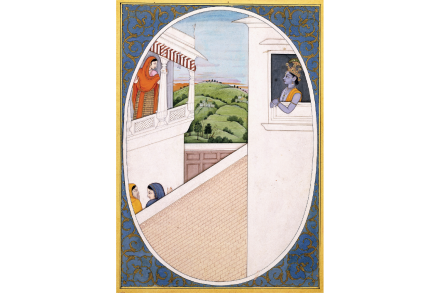
The first European translation of the Bhagavad Gita, a dialogue between Prince Arjuna and Lord Krishna, appeared in English in 1785. Strangely, this classic of Indian spirituality, which is much concerned with liberation, was prefaced with talk of conquest, rightful dominion and chains of subjection. The translation had been produced under the auspices of the English East India Company, then in the process of claiming for itself ever-larger swaths of territory in India. The first edition incorporated a letter written by the governor-general in Calcutta, Warren Hastings, in which he compared the Gita with Homer and Milton.

In search of Japan

‘Much of what I say may turn out not to be true.’ Hardly the ideal beginning to a guided tour. But Alex Kerr is not your typical tour guide, briskly selling a place to a time-pressed group via a few must-snap essentials — the glint of the sun off Kyoto’s Golden Temple and its still waters; the demure shuffle of geisha; winter rays radiating through a bamboo grove. Kerr is more the lone local you’re not entirely sure you should trust, sidling up and engaging you in conversation. Why do temples have gates without doors? Are they entrances — or exits? Ever thought about that? No? Come on, I’ll show you.